
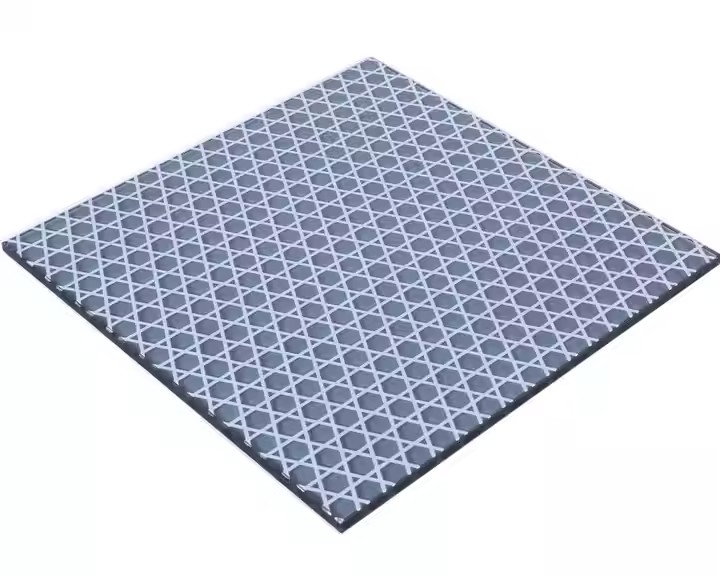
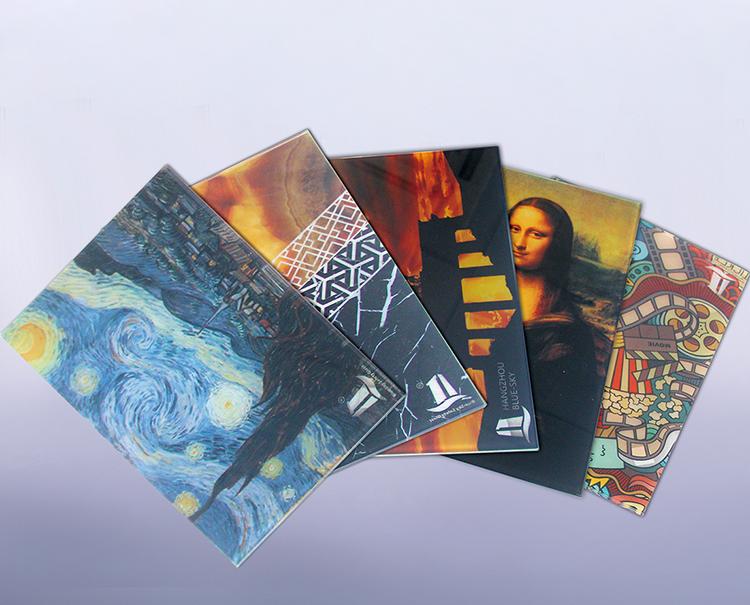
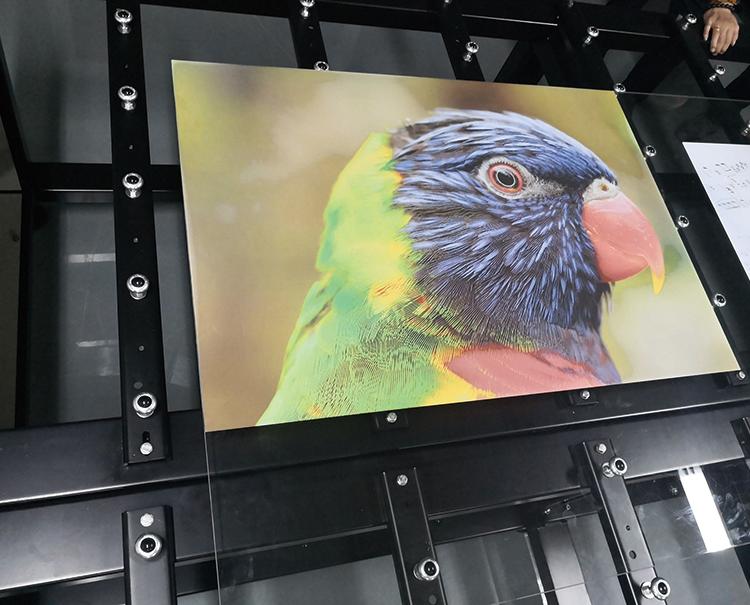
Double Glazing Suppliers: Modern 12mm 3D Printed Toughened Glass Window
| Parameter | Details |
|---|---|
| Performance | Safety, high strength, thermal stability, impact resistance is 4 to 5 times more than float glass |
| Single-layer thickness | 3mm, 4mm, 5mm, 6mm, 8mm, 10mm, 12mm, 15mm, 19mm |
| Max size | 2500*3660mm |
| Mini Size | 200*300mm |
| Edge type | matt, polished flat, polished round, polished bevelled |
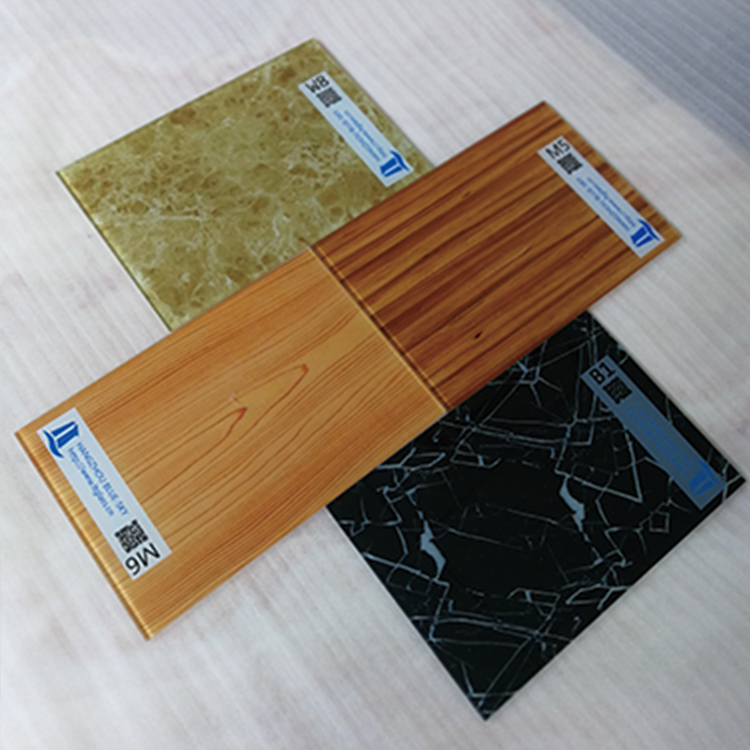
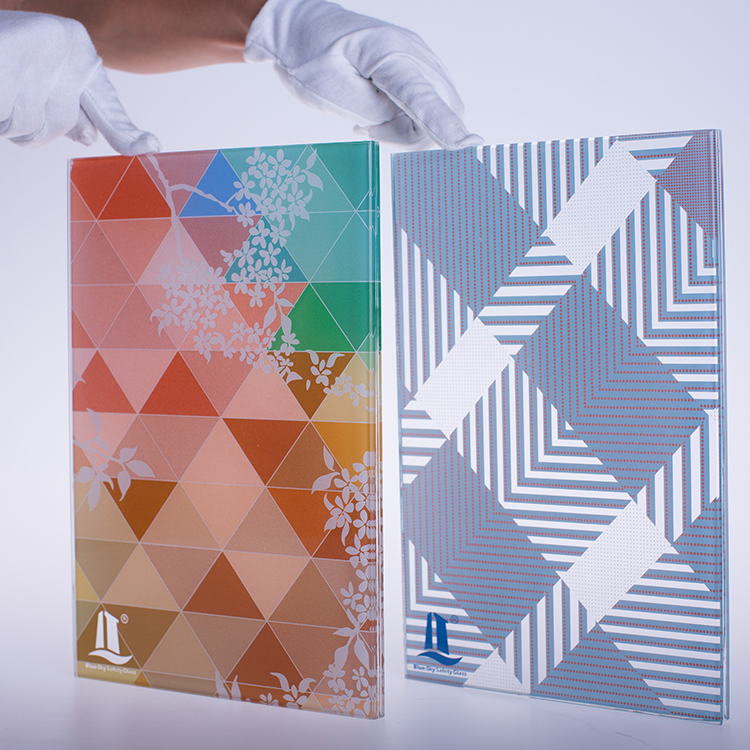
| Glass type | clear, extra clear, frosted, patterned, color tinted, color printed, self-cleaning, reflective (Low E), fire-proof |
| Certificate | CCC&ISO CE(EN12150) SGCC AS/NZS2208:1996 |
| Process | clear tempered glass CNC cut → edge polished → holes drilled or cut if needed → tempered → packing; color printed glass CNC cut → edge polished → holes drilled or cut if needed → color printed → tempered → packing |
| Application | commercial & residential use of partition & wall, door & window, fence & railing, skylight & roof, shower screen & shower room, furniture use: table top & cabinet, electrical panel, etc. |
Product Hot Topics:
The emerging trend in architectural design is leveraging the advantages of 3D printed toughened glass for large-scale projects. Its impact resistance and thermal stability ensure it withstands harsh conditions, making it ideal for both residential and commercial applications.
3D printed glass windows not only offer aesthetic appeal but also enhance energy efficiency. With properties like reflective (Low E) surfaces, these windows help regulate indoor temperatures, significantly reducing heating and cooling costs.
The demand for customized toughened glass solutions is on the rise, with manufacturers and suppliers focusing on delivering tailored products. Meeting specific requirements in thickness, size, and finish is now more feasible, thanks to advancements in glass processing technology.
Product Cost Advantage:
Choosing our toughened glass windows ensures a cost-effective investment. The durability and enhanced safety features reduce the need for frequent replacements. Additionally, the thermal efficiency translates to lower energy consumption costs over time, offering long-term financial benefits.
OEM Customization Process:
Manufacturers offer an OEM customization process that begins with an initial consultation to understand client specifications. The process includes selecting the desired glass thickness and type, followed by precision CNC cutting and edge polishing. The finished product is rigorously tested for quality assurance before delivery.
Product Customization Process FAQ:
Q: What is the minimum order quantity for custom glass panels?
A: The typical MOQ is 100 square meters when ordering from a reputable supplier.
Q: How long does OEM customization take?
A: The process generally takes 4-6 weeks, depending on the manufacturer's production schedule and order complexity.
Q: Can custom orders include special coatings?
A: Yes, our manufacturer offers options for reflective (Low E) and fire-proof coatings to enhance window functionality.
Image Description
Related Products
-

Glass Partition Wall: Interior Room Divider & Office Glass Panel
-
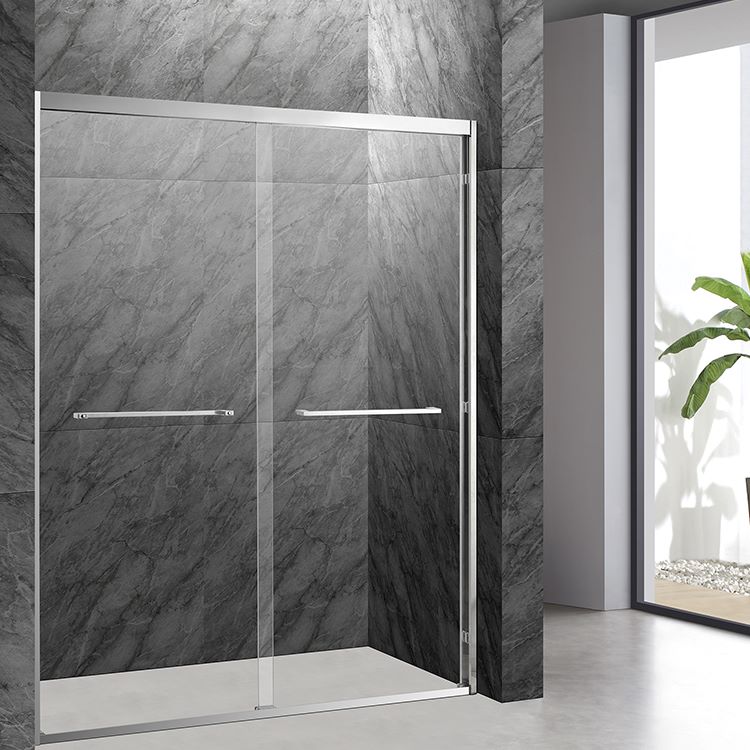
Chrome Glass Partition Doors - Double Bypass Sliding Shower Door Clear
-
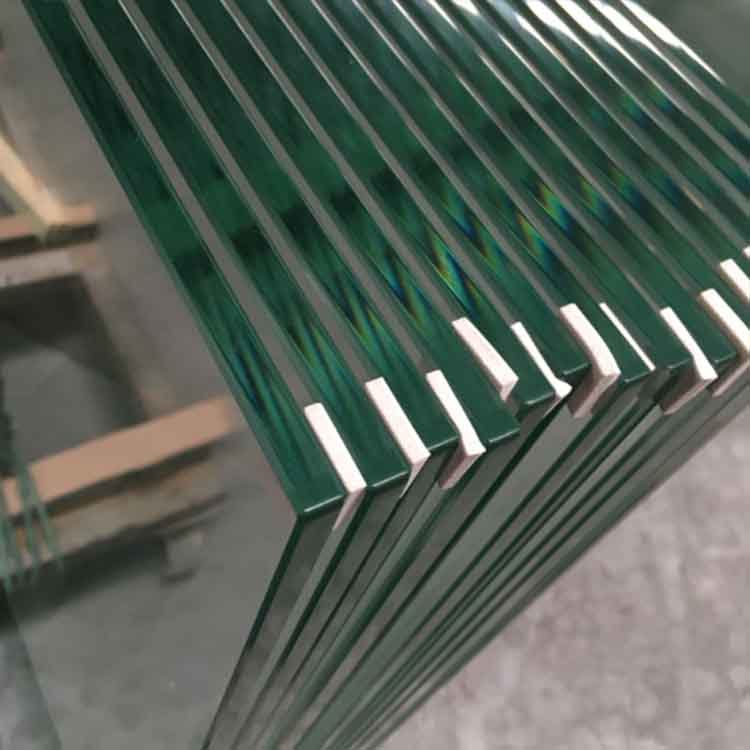
Glass Partition Wall with Door: Tempered Safety Glass 6mm 8mm
-
Panoramic Padel Court Glass with Glass Door Partition Wall Feature
-
Black Toughened Glass Office Partition Panels for Commercial Interiors
-
Insulation Retractable Glass Roof Canopy with Double Glazing Prices