

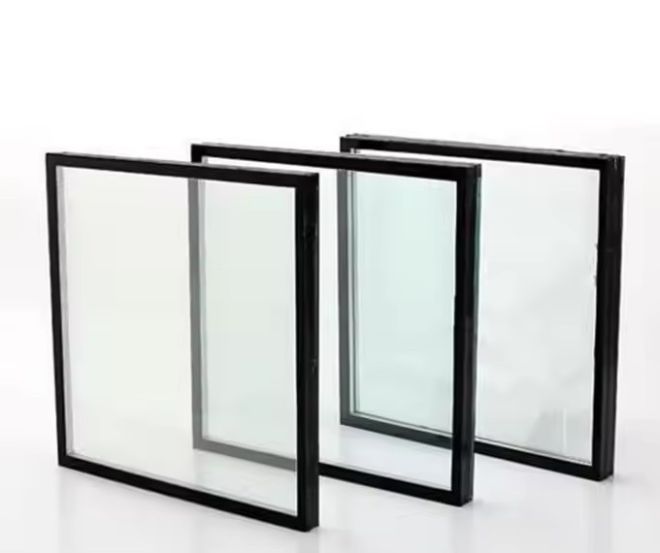
Choosing between 8mm and 10mm glass balustrades can feel like arguing over slices of invisible toast—too thin and you worry it’ll snap, too thick and you fear you’re overspending on see‑through safety.
To solve this, match glass thickness to height, location, and load requirements, then confirm with safety standards and a professional installer, using guidance like the UK Health and Safety Executive’s recommendations to stay compliant and confident.
🔹 Safety and strength differences between 8mm and 10mm glass balustrades
Both 8mm and 10mm toughened glass balustrades meet safety codes when designed correctly. However, 10mm offers extra stiffness, better impact resistance, and reduced flex under load.
For high-traffic or exposed areas, 10mm is often safer. In low-rise internal spaces, 8mm can still perform well if installed in a compliant system.
1. Impact resistance and load performance
Thicker glass resists impact better and bends less. This matters on stairs, balconies, and landings where people often lean or push against the barrier.
- 8mm: suitable for light to medium duty use
- 10mm: preferred for heavy duty, public zones, and higher drops
- Both must be toughened and correctly fixed to structure
2. Compliance with local safety standards
Building codes may set minimum thicknesses for different heights and uses. Always check your local rules before choosing 8mm or 10mm glass.
| Application | Common Minimum |
|---|---|
| Internal landing | 8mm–10mm |
| Balcony over drop | 10mm+ |
| Public stair | 10mm or laminated |
3. Risk of breakage and post-break safety
Both 8mm and 10mm toughened glass shatter into small, blunt pieces when broken. Thicker glass needs more energy to fail, so risk is lower.
- Consider laminated options where fall risk is high
- Use tested systems with reliable hardware
- Regularly inspect edges and fixings
4. When 8mm is acceptable vs when 10mm is better
Choose 8mm for small, internal, low-rise areas to control cost and weight. Choose 10mm for exposed balconies, long spans, or busy stairways.
- 8mm: short panels, framed systems
- 10mm: semi-frameless, wind-exposed, or crowd areas
🔹 Design aesthetics: how glass thickness affects appearance and transparency
Glass thickness subtly changes edge color, panel flatness, and visible deflection. 10mm glass usually looks more solid and premium, while 8mm can feel lighter and more minimal.
Both give clear, open views when you choose high-quality toughened or laminated architectural glass with low distortion.
1. Edge color and visual weight
Thicker glass shows a deeper green edge, which can frame the view. Thinner 8mm edges look lighter and may blend more with minimalist designs.
| Thickness | Edge Look | Design Feel |
|---|---|---|
| 8mm | Lighter green | Minimal, slim |
| 10mm | Deeper green | Solid, luxury |
2. Transparency and reflection
Both 8mm and 10mm panels are highly transparent. However, thicker glass can show slightly stronger reflections under certain light angles.
- Use clear low-iron glass for maximum clarity
- Keep surfaces clean to avoid haze or streaks
3. Panel flatness and visual distortion
10mm glass tends to stay flatter across long spans, reducing “wavy” reflections. This helps when you want clean, sharp mirrored images.
- Specify quality control on toughening
- Choose experienced processors with tight tolerances
4. Simple data view: stiffness vs thickness
The chart below shows how relative stiffness rises with glass thickness. 10mm glass is noticeably stiffer than 8mm under the same load.
🔹 Cost, installation complexity, and maintenance for 8mm vs 10mm options
8mm glass usually costs less and weighs less, which can simplify installation. 10mm costs more but can reduce post movement and long-term issues.
Total project price also depends on hardware, framing style, and whether you select toughened or laminated systems.
1. Material and hardware costs
10mm glass uses more raw material and often requires stronger, more expensive fittings, especially for frameless balustrades or long spans.
| Item | 8mm | 10mm |
|---|---|---|
| Glass price | Lower | Higher |
| Hardware | Lighter duty | Heavy duty |
2. Installation time and handling
Heavier 10mm panels may need more labour or lifting tools. 8mm is easier to carry, align, and adjust on tight sites.
- Plan safe lifting for large 10mm panels
- Use trained installers for structural glazing
3. Cleaning and long-term care
Maintenance is similar for both thicknesses: regular washing and inspection of fixings. Thicker glass may show fewer movement-related seal issues over time.
- Clean with mild, non-abrasive products
- Inspect clamps, channels, and sealants yearly
🔹 Best thickness for balconies, stairs, and pool fencing applications
Choosing between 8mm and 10mm depends on height, exposure, and traffic. Higher risk areas usually benefit from 10mm or laminated solutions.
Work with a qualified designer or engineer to match thickness to wind loads, occupancy, and local building code needs.
1. Balcony glass balustrades
For external balconies, 10mm is widely preferred due to wind loads and fall risk. Laminated options give extra safety and sound control.
- Use tested balcony systems
- Consider 8+8mm PVB Laminated Explosion-Proof Balcony Glass for Building Windows for high safety zones
2. Stair and landing balustrades
For internal stairs, 8mm can suit framed designs, while 10mm suits open, semi-frameless, or cantilevered balustrades with higher loads.
| Location | Suggested Thickness |
|---|---|
| Small domestic stair | 8mm–10mm |
| Open feature stair | 10mm |
3. Pool fencing and wet areas
Pool fencing must resist wind and impact while staying corrosion-resistant. 10mm glass often gives better rigidity between posts.
- Use marine-grade stainless hardware
- Check pool safety regulations in your area
🔹 Why glazing specialists often recommend BLUE-SKY glass balustrade systems
BLUE-SKY systems balance safety, design, and budget. They use certified toughened or laminated glass and proven hardware suited to many projects.
Specialists value consistent quality, reliable processing, and flexible options for both small homes and larger commercial sites.
1. Tested performance and certifications
BLUE-SKY balustrades follow strict testing for impact, load, and durability, giving designers and owners peace of mind on every project.
- Compliant with key building standards
- Backed by factory quality control
2. Flexible design combinations
You can pair 8mm or 10mm glass with many profiles, clamps, and finishes, helping match surrounding elements like doors and shower screens.
- Combine with Double Hinged Glass Shower Doors for a unified interior look
- Use tinted or clear options to suit style
3. Support from experienced glass manufacturers
Working with a specialist supplier gives access to technical advice, custom sizes, and advanced products such as insulated or laminated glass units.
For broader façade or window needs, see Manufacturer Export 3 mm to 19 mm Insulating tempered Architectural glass for compatible systems.
Conclusion
Both 8mm and 10mm toughened glass balustrades can be safe, attractive choices when designed and installed correctly. Your decision should reflect building height, usage, budget, and code needs.
Use 8mm where loads are modest and spans are short; choose 10mm for exposed, high-risk, or premium applications. Always rely on certified systems and expert installers.
Frequently Asked Questions about 8mm toughened glass balustrade
1. Is 8mm glass strong enough for a balcony balustrade?
In many regions, external balconies require thicker or laminated glass. 8mm may not comply for higher drops, so check local codes and consider 10mm or laminated units.
2. Can I use 8mm glass for internal stairs?
Yes, 8mm toughened glass can work for framed internal stair balustrades with short spans, as long as the full system meets the structural and safety rules.
3. Does 10mm glass always look better than 8mm?
Not always. 10mm feels more solid and luxurious, but 8mm can look slimmer and lighter. The best choice depends on your design style and viewing angles.
4. Is there a big price difference between 8mm and 10mm balustrades?
Per square metre, 10mm glass and its hardware do cost more. On small projects the gap may be modest; on large jobs it can be more noticeable.
5. Do 8mm and 10mm balustrades need different maintenance?
Routine care is similar: regular cleaning and checks of brackets and channels. Thicker glass simply offers a higher safety margin against heavy impacts or misuse.