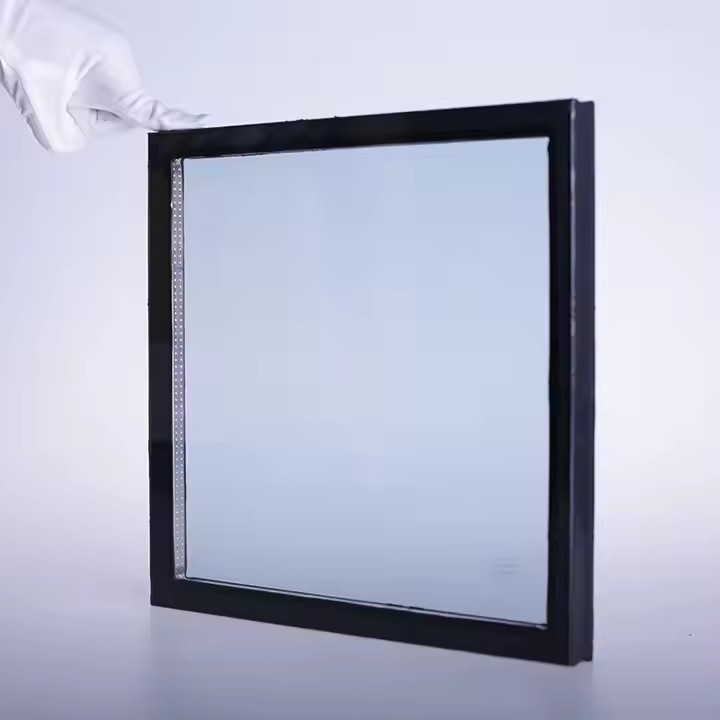
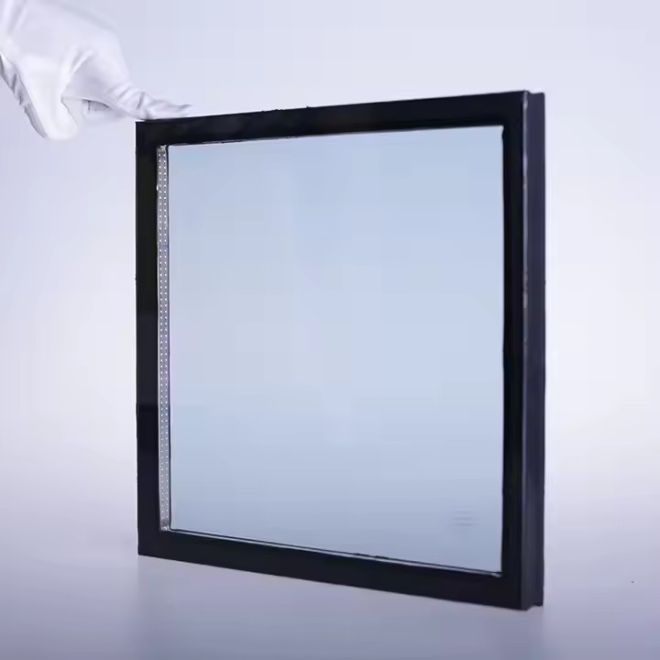
Introduction to Coloured Double Glazing
In the evolving landscape of architectural design and energy efficiency, coloured double glazing has emerged as a pivotal innovation. This technology is not only about aesthetics but also a transformative approach to enhancing energy efficiency and privacy in modern constructions. As urban populations grow and environmental awareness heightens, the demand for sustainable and aesthetically pleasing solutions, such as wholesale coloured double glazing, has surged. This article delves into the multifaceted benefits of coloured double glazing, exploring its impact on home privacy, energy efficiency, and UV protection, while also shedding light on its manufacturing process, market alternatives, and cost considerations.
Benefits of Coloured Double Glazing
● Enhancing Privacy with Tinted Glass
Coloured double glazing is renowned for its ability to provide enhanced privacy without compromising interior brightness. The tinted surfaces obstruct external viewership, ensuring that indoor activities remain unseen from outside observers. Despite this, the visual clarity from the inside remains unaffected, allowing occupants to enjoy the outdoor scenery without intrusion. This makes it an ideal choice for residential and commercial buildings in highly populated or dense urban areas where privacy is often a concern.
● Energy Efficiency Improvements
One of the most significant advantages of coloured double glazing is its contribution to energy efficiency. The addition of a coloured or tinted layer aids in regulating indoor temperatures by reflecting some of the sun's radiant heat during the summer and retaining warmth during winter months. This thermal regulation reduces the need for excessive heating or cooling, subsequently cutting energy consumption and lowering utility bills. By opting for wholesale coloured double glazing, developers can implement energy-efficient solutions on a larger scale, leading to substantial environmental and economic benefits.
● Protection Against UV Damage
With increasing awareness of the harmful effects of UV radiation, coloured double glazing offers a pivotal solution by significantly reducing UV transmittance through windows. By preventing excessive UV rays from entering indoor spaces, this glazing type helps in preserving the quality and color of furniture, artwork, and other interior furnishings, extending their lifespan and maintaining a vibrant indoor atmosphere.
Enhancing Home Privacy
● How Tinting Obstructs Outside Views
Coloured double glazing with a tint effectively acts as a one-way mirror—outsiders see a reflective surface while insiders enjoy clear views. This function is particularly beneficial in urban environments, where buildings often face each other in close proximity. The reflective quality not only obscures the interior from prying eyes but also adds a sleek, modern aesthetic to building facades. The increasing demand for coloured double glazing suppliers highlights the growing preference for integrating these privacy solutions in both residential and commercial designs.
● Maintaining Inside Visibility
While privacy is paramount, the ability to maintain clear views from the inside out is equally essential. Coloured double glazing is designed to ensure that the tinting does not darken or obscure indoor views. Instead, it provides a comfortable level of shading that reduces glare, enhances visual comfort, and maintains a pleasant natural lighting ambiance, ensuring that inhabitants do not feel confined or boxed in.
Energy Efficiency and Temperature Regulation
● Regulating Indoor Temperatures
Coloured double glazing's ability to moderate indoor temperatures is a fundamental aspect of energy-efficient building design. By incorporating a tinted layer, these windows can reflect more infrared radiation, thus preventing excessive heat gain during warm months and minimizing heat loss during cold periods. This natural insulation results in reduced dependency on artificial heating and cooling systems, leading to a decrease in energy use and operational costs.
● Reducing Energy Consumption
The financial attractiveness of coloured double glazing lies in its energy savings potential. Buildings utilizing this glazing often see a significant reduction in their electricity bills, given that it lowers the demand on HVAC systems. Additionally, for property developers and owners, wholesale coloured double glazing represents an economically viable investment by increasing the market value of the property due to its sustainable and modern appeal.
UV Protection and Furniture Preservation
● Preventing UV Damage
Excessive exposure to UV radiation can cause considerable damage to interiors, fading fabrics, and deteriorating art pieces, flooring, and other materials over time. Coloured double glazing acts as a shield against UV rays, blocking out harmful wavelengths while allowing beneficial natural light to illuminate spaces. This protection not only helps in preserving the aesthetic integrity of a space but also prolongs the life of its contents.
● Preserving Furniture and Interiors
For many homeowners and businesses, interior design is not just about function but also an investment in style and comfort. The ability to protect this investment is crucial. Coloured double glazing helps in maintaining the original vibrancy and condition of interior designs by filtering UV exposure, ensuring that furniture, flooring, and artwork remain in optimal condition for as long as possible.
Manufacturing Process of Tinted Glass
● Chemical Formation of Tinted Glass
The production of coloured double glazing involves a sophisticated process where chemical coatings or additives are applied to glass substrates to achieve the desired tint. This can be done by infusing inorganic compounds during the glassmaking process or through post-manufacture applications. The choice of materials and methods impacts the glass's final color, light transmittance capabilities, and overall performance.
● Inorganic Additive Role
Inorganic additives play a pivotal role in developing coloured glass by altering its spectral properties. These additives can range from metal oxides to other chemical compounds that modify how the glass interacts with light. This precise control over hue and light filtering capabilities is critical for manufacturers aiming to meet diverse market demands for custom shades and performance specifications.
Types of Tinted Glass Available
● Bronze and Gray Tint Options
Coloured double glazing is available in a variety of tints, with bronze and gray being among the most popular. Each shade offers unique aesthetic and functional benefits. Bronze tints add a warm, inviting glow to interiors, while gray tints provide a cool, sleek appearance with superior glare reduction. The choice between these tints often depends on architectural style, personal preference, and specific light filtering needs.
● Differences Between Outer and Inner Layers
In a double-glazed unit, the tint can be applied to either the outer or inner glass pane, each offering distinct benefits. An exterior tint primarily focuses on reducing heat gain, while an interior tint may prioritize privacy and glare control. Understanding these differences is crucial for architects and builders when specifying glazing solutions to ensure that the end result aligns with the project’s requirements.
Window Film as an Alternative
● Application of Window Film
While coloured double glazing offers a built-in solution, window film provides an alternative that can be applied to existing windows. However, unlike integrated tinted glass, films are subject to wear and degradation over time. They can peel, bubble, or discolor with prolonged sun exposure, which can compromise their aesthetic and functional integrity.
● Risks and Precautions Involved
The application of window film requires careful consideration and professional installation to prevent common issues such as bubbling, peeling, and inadequate adhesion. Moreover, although films are a cost-effective option for tinting, they generally do not offer the same level of thermal performance and longevity as factory-manufactured coloured double glazing units.
Cost Considerations for Tinted Windows
● Price Comparison with Traditional Windows
Coloured double glazing typically carries a higher initial cost compared to standard clear glazing due to the specialized materials and manufacturing processes involved. However, the long-term energy savings and enhanced property value often outweigh the upfront investment, making it a cost-effective solution in the long run.
● Long-term Financial Benefits
Investing in wholesale coloured double glazing can yield substantial financial returns over time. Beyond energy cost reductions, these windows contribute to increased building value and can attract environmentally-conscious buyers or tenants. The added privacy and design appeal further strengthen the economic proposition of incorporating coloured double glazing into new constructions and renovations.
Conclusion and Future Prospects
● Recap of Tinted Glazing Advantages
Coloured double glazing represents a confluence of aesthetics, privacy, and energy efficiency. It enhances building design while providing practical benefits such as temperature regulation and UV protection. As technology advances, the options and effectiveness of coloured double glazing continue to expand, offering even more sophisticated solutions to modern architectural challenges.
● Future Trends and Innovations
Looking ahead, the future of coloured double glazing is promising, with ongoing research aimed at enhancing its performance and expanding its application scope. Innovations in smart glass technology, where tinting can be dynamically adjusted according to external light conditions, are poised to revolutionize how we think about windows and building efficiency.
BLUE-SKY, established in 2000, stands as a leader in the glass processing industry. With its expansive factory in Hangzhou and proximity to key ports, BLUE-SKY offers a diverse range of products including tempered, laminated, and insulated glass. Their commitment to quality is underscored by certifications such as CCC, ISO, and CE. As a renowned coloured double glazing manufacturer, BLUE-SKY's capacity reaches up to 20,000㎡ per day, ensuring a competitive edge in supply and customization. Their dedication to service excellence makes them a trusted coloured double glazing supplier worldwide.