

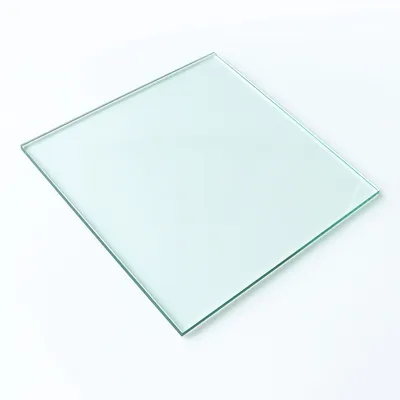
You’re staring at glass samples like they’re modern art, wondering why “patterned tempered” sounds like a moody superhero and “ordinary glass” like its boring sidekick—and which one won’t shatter your renovation budget (or your nerves).
To fix this, match glass to real needs: choose patterned tempered for privacy and strength, ordinary glass for low‑impact, budget spots; safety standards in CPSC 16 CFR 1201 report explain where safety glazing is required.
🔍 Structural differences between patterned tempered glass and ordinary flat glass
Patterned tempered glass starts as rolled patterned glass, then receives heat treatment. Ordinary flat glass has a smooth surface and usually does not receive the same strong tempering.
These structural changes affect strength, slip resistance, and visual effect, making patterned tempered glass better for floors, facades, and privacy-focused interiors.
1. Surface texture and slip resistance
Patterned tempered glass has raised or embossed textures that increase grip and scatter light. Ordinary flat glass stays smooth and can become slippery when wet.
- Better foot traction on stairs and floors
- Reduces slipping risk in wet zones
- Ideal for Custom Size Anti-skidding Triple Laminated Tempered Stair Treads Glass Price
2. Internal stress and tempering level
Tempered patterned glass is heated and cooled quickly, locking strong internal stress. Ordinary flat annealed glass cools slowly and has much lower strength.
| Type | Approx. Strength vs Annealed |
|---|---|
| Patterned tempered | 3–5x |
| Ordinary flat (annealed) | 1x |
3. Thickness options and load capacity
Patterned tempered glass often comes in thicker options for floors and balustrades. Ordinary flat glass is more common in thin panes for basic windows.
- Thicker glass supports higher live loads
- Better for heavy foot traffic areas
- Used in canopies and glass platforms
4. Compatibility with lamination and printing
Patterned tempered glass can be laminated or printed to improve strength and design. Flat glass is widely used for digital printing and large visual surfaces.
- Patterned laminated panels for extra safety
- Flat digital printed panels like 3-12mm High-Temp Digital Printed Tempered Glass for Office Partitions
🛡️ Safety performance: impact resistance and breakage behavior comparison
Patterned tempered glass resists hits better than ordinary flat glass. When failure occurs, it breaks into small dull particles, lowering injury risk.
Ordinary flat glass cracks into sharp, long shards that can cause deep cuts, so it suits only low-risk, non-safety areas.
1. Impact resistance levels
Tempered patterned glass endures higher wind, human impact, and accidental hits. Flat annealed glass fails earlier under the same load.
2. Breakage mode and injury risk
Patterned tempered glass shatters into many small nuggets. Ordinary flat glass forms long, sharp pieces that can be very dangerous.
| Glass Type | Break Pattern | Injury Risk |
|---|---|---|
| Patterned tempered | Small blunt cubes | Low |
| Ordinary flat | Large sharp shards | High |
3. Performance in high-traffic public spaces
Patterned tempered glass is better for public stairs, platforms, and showers. It combines high impact strength with slip resistance and controlled breakage.
- Safer for children and elderly users
- Handles trolleys and luggage impacts
- Reduces maintenance and replacement risk
4. Standards and certifications
Patterned tempered glass more easily meets safety standards like EN, ANSI, and building codes. Ordinary flat glass often fails these tests in critical zones.
- Qualified as safety glass when properly tempered
- Accepted for doors, screens, and balustrades
- Flat glass needs lamination or tempering to comply
🌡️ Thermal performance, insulation, and energy efficiency in daily environments
Both patterned tempered glass and ordinary flat glass can support energy savings, but surface texture and processing change solar control and comfort.
Patterned types scatter light, while coatings and double glazing on either glass improve insulation and cut cooling loads.
1. Heat transfer and U-value basics
Tempering alone does not change basic U-value much. Insulated glass units and low-e coatings drive real gains for both patterned and flat types.
| Build | Relative Insulation |
|---|---|
| Single glass (any type) | Low |
| Double glazed | Medium |
| Double glazed + low-e | High |
2. Solar gain and glare control
Patterned tempered glass scatters incoming light, softening glare and slightly lowering direct solar gain. Flat glass passes more direct light and heat.
- Comfortable daylight in offices
- Less need for blinds in some areas
- Helps stabilize temperatures near facades
3. Everyday comfort in homes and showers
In bathrooms and balconies, patterned tempered glass keeps privacy and reduces glare while still letting in brightness, improving daily comfort.
- Ideal for Walk In Shower Glass Screen systems
- Works well in humid, warm areas
- Feels safer under quick temperature changes
🎨 Privacy, light diffusion, and decorative effects in interior applications
Patterned tempered glass offers strong privacy with soft light, while ordinary flat glass focuses on clear views and simple transparency.
Designers can mix both to balance openness, comfort, and visual style in modern interiors.
1. Privacy levels in offices and homes
Patterned tempered glass blocks direct sight lines but keeps spaces bright. Flat glass offers full view, which suits open-plan zones.
| Use | Patterned Tempered | Ordinary Flat |
|---|---|---|
| Meeting rooms | High privacy | Medium |
| Living room | Medium | High openness |
2. Light diffusion and visual comfort
Textured surfaces spread light evenly, cutting harsh shadows and reflections. Flat glass keeps sharp reflections and stronger contrast.
- Gentle light for bathrooms and corridors
- Better background for workstations
- Less eye strain over long hours
3. Decorative patterns and branding
Patterned tempered glass comes in many textures, from simple matt to deep patterns. Flat glass accepts clear digital printing and films.
- Logos and graphics on partitions
- Patterned doors and cabinet fronts
- Feature walls in hotels and offices
🏗️ Choosing BLUE-SKY glass for facades, partitions, and safety-critical projects
BLUE-SKY glass solutions combine strong tempering, pattern options, and lamination to meet safety, design, and energy goals in demanding projects.
Engineers and architects can select tailored builds for floors, facades, and interior partitions to match strict code and branding needs.
1. Facades and curtain walls
For exteriors, BLUE-SKY can supply tempered, laminated, and patterned builds that handle wind, impact, and thermal stress safely.
- Patterned zones for glare control
- Clear zones for views
- Options for energy-saving coatings
2. Interior partitions and office fit-outs
Office partitions often mix privacy and branding. BLUE-SKY patterned and printed tempered glass allows flexible layouts and safe, slim lines.
- Custom digital prints and logos
- Frosted or patterned privacy bands
- Safe toughened or laminated cores
3. Safety-critical floors, stairs, and bathrooms
Where slips and falls are a concern, BLUE-SKY patterned tempered or laminated products give stronger safety than ordinary flat glass alone.
| Area | Recommended Glass |
|---|---|
| Stair treads | Anti-skid patterned laminated tempered |
| Showers | Patterned tempered safety glass |
| Balconies | Laminated tempered panels |
Conclusion
Patterned tempered glass clearly outperforms ordinary flat glass in safety, privacy, and slip resistance. Its texture and tempering make it better for stairs, showers, facades, and busy interiors.
By understanding structure, safety, and thermal behavior, builders can choose the right BLUE-SKY glass solution that meets codes, reduces risk, and still delivers bright, attractive spaces.
Frequently Asked Questions about wholesale patterned toughened glass
1. Is patterned tempered glass stronger than ordinary flat glass?
Yes. Patterned tempered glass is roughly three to five times stronger than standard annealed flat glass of the same thickness, thanks to its heat treatment process.
2. Can patterned toughened glass be cut or drilled after tempering?
No. Once glass is tempered, you cannot cut, drill, or deeply grind it. All shaping and edge work must be finished before the tempering process starts.
3. Is patterned tempered glass suitable for shower screens?
Yes. Patterned tempered glass is excellent for shower screens because it offers privacy, resists impact, and breaks into small, less dangerous particles if failure occurs.
4. Does patterned glass block more heat than clear flat glass?
By itself, the pattern mainly diffuses light and glare. Real heat control comes from coatings, tints, and insulated units, which can be applied to both glass types.
5. Can I use patterned tempered glass for exterior facades?
Yes, if it is correctly specified for wind load, thickness, and safety codes. It can be used alone or laminated in multi-layer facade systems.