

Staring at stair glass samples, you wonder: “8mm or 10mm will my in-laws lean on this and test gravity?” Choosing wrong feels like betting your safety on a guessing game at the home improvement carnival.
Relax—match glass thickness to span, loading, and building codes; use 10mm for higher traffic or wider panels, and 8mm for lighter, shorter runs. Always confirm with standards like the NIOSH glass safety report before you buy.
🔹 Basic thickness comparison: 8mm vs 10mm stair glass panels
8mm and 10mm stair glass panels both offer clear views and safety, but they differ in strength, weight, and best application areas for homes and commercial stairs.
Choosing the right thickness helps you balance safety, cost, and style while meeting local building codes and daily use requirements.
1. Core thickness and weight differences
10mm glass is thicker and heavier than 8mm, which improves strength but adds load to the stair structure and hardware.
- 8mm: lighter, easier to handle, lower load on fittings
- 10mm: stronger, better for high-traffic areas
2. Recommended use scenarios
Use 8mm for lighter residential traffic and 10mm for busy stairs or open public spaces where higher impact may occur.
| Thickness | Best Use |
|---|---|
| 8mm | Indoor home stairs, low traffic |
| 10mm | Commercial stairs, open galleries |
3. Related glass product options
For special projects, you can also consider laminated and court-grade glass products designed for shock resistance and safety.
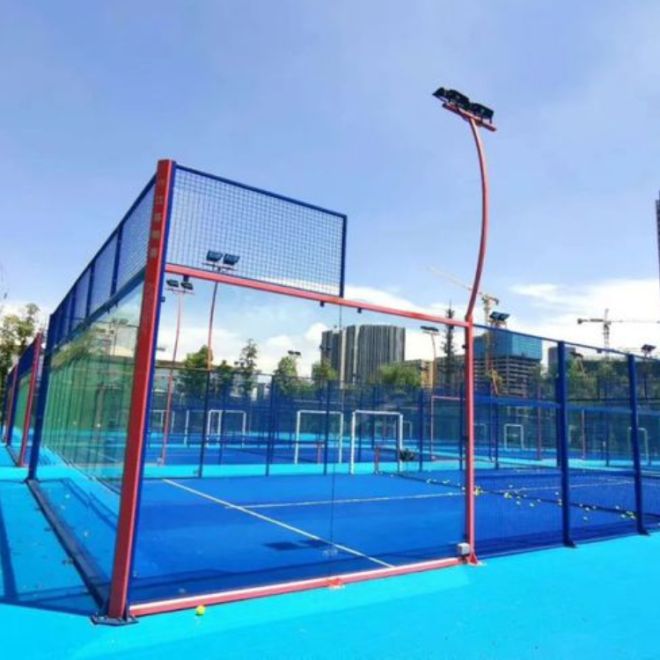
- Tempered Toughened Glass Sheet Price Panoramic Padel Court Glass
- 6+1.14PVB+6mm 8+1.52PVB+8mm 10+1.52PVBmm Safety Tempered Heat Strengthened Laminated Glass For Curtain Wall
4. Basic code and standard awareness
Many regions require minimum glass thickness and safety processing. Always confirm if 8mm is allowed or if 10mm or laminated glass is required.
- Check local stair and balustrade codes
- Confirm tempered or laminated requirements
🔹 Safety and durability performance differences in everyday stair use
In daily stair use, 10mm tempered stair glass offers higher impact resistance and less flex, while 8mm suits normal home traffic when installed correctly.
Both must be tempered or laminated to avoid sharp shards and to maintain reliable long-term performance.
1. Comparative strength and impact resistance
10mm glass resists stronger impacts and bending compared with 8mm, which is more likely to flex under the same force.
2. Breakage behavior and safety
Both 8mm and 10mm stair panels should be toughened. When they break, they form small blunt pieces that reduce serious injury risk.
- Tempered glass: small cube-like particles
- Laminated glass: fragments stay stuck to interlayer
3. Durability under long-term use
Thicker 10mm panels handle repeated use, knocks, and hand impacts better, especially in hotels, malls, or office stairs.
| Feature | 8mm | 10mm |
|---|---|---|
| Flex under load | More | Less |
| Scratch tolerance | Similar | Similar |
4. Edge protection and hardware fit
Proper edge polishing and metal fittings are key. Thicker 10mm glass offers more margin at the edges under clamp pressure.
- Use suitable gaskets and clamps
- Avoid metal-to-glass direct contact
🔹 Visual impact, transparency, and style variations between 8mm and 10mm
Both thicknesses look clear and modern, but 10mm appears slightly more solid and premium, especially on long, open stair runs.
1. Transparency and edge color
Standard clear glass has a light green edge. The green tone is slightly more visible on 10mm than on 8mm panels.
- 8mm: lighter edge line
- 10mm: stronger green edge, more presence
2. Style and design impression
10mm stair glass often feels more high-end and robust, while 8mm looks lighter and more minimal, especially in small homes.
| Look | 8mm | 10mm |
|---|---|---|
| Visual weight | Light | Solid |
| Best for | Compact stairs | Wide open stairs |
3. Reflection and handprint visibility
Both show reflections and fingerprints, but wider 10mm surfaces can make smudges more visible, so regular cleaning is important.
- Use glass cleaner and soft cloth
- Consider anti-fingerprint coatings if needed
🔹 Installation requirements and structural support considerations for each thickness
8mm stair glass needs lighter support, while 10mm demands stronger hardware, deeper channels, and better structural planning.
Correct installation protects users and prevents glass stress or unexpected failure over time.
1. Load on stringers, floors, and walls
10mm panes are heavier, so stair stringers, floor slabs, and fixing points must support extra weight and dynamic movement.
- Check load capacity with engineer
- Use certified anchors and bolts
2. Hardware sizing and spacing
Clamp size, channel depth, and post spacing may differ between 8mm and 10mm to control deflection and meet code.
| Item | 8mm | 10mm |
|---|---|---|
| Channel depth | Shallower | Deeper |
| Post spacing | Shorter spans | Longer possible |
3. Site handling and safety
10mm glass needs more people or lifting help. Proper suction cups and edge protectors lower risk when moving panels on site.
- Store panels vertically
- Avoid contact with hard corners or tools
🔹 Cost, maintenance, and why BLUE-SKY is a reliable glass choice
10mm stair glass usually costs more than 8mm, but can offer better strength and lifespan, especially in busy public staircases.
With quality processing and good cleaning, both thicknesses stay clear and attractive for many years.
1. Cost comparison and budget planning
10mm glass uses more material and heavier hardware, so material and installation costs are higher than 8mm systems.
- 8mm: better for tight budgets
- 10mm: higher initial cost, stronger feel
2. Cleaning and simple care
Both thicknesses clean the same way. Keep a regular schedule to reduce limescale and keep the stair area looking bright.
| Task | Frequency |
|---|---|
| Dust and wipe | Weekly |
| Deep clean | Monthly |
3. Why choose BLUE-SKY glass products
BLUE-SKY offers stable quality, accurate cutting, and reliable tempering and laminating, making both 8mm and 10mm stair glass safer and easier to install.
You can also pair stair glass with products like Building Window Toughened 10mm Laminated Glass Price to keep a consistent look across the whole project.
Conclusion
8mm stair glass works well for standard residential stairs when codes allow and when traffic is low to medium. It gives a light, minimal style at a lower cost.
10mm suits wide, open, or public staircases where higher impact resistance and a solid look are important. Matching thickness, processing, and hardware ensures safe, long-lasting stair glass systems.
Frequently Asked Questions about wholesale 8mm toughened glass for staircase
1. Is 8mm toughened glass safe enough for a staircase balustrade?
Yes, 8mm toughened glass can be safe when it meets local standards, is properly supported, and uses approved clamps or channels. Always confirm code requirements before ordering.
2. Should I choose 8mm or 10mm for a commercial stair?
For shops, offices, and public stairs, 10mm is usually the better choice due to higher impact resistance and lower flex. Many codes also prefer thicker glass in busy areas.
3. Can 8mm toughened glass be used as frameless stair railing?
Frameless designs often demand thicker glass or laminated glass. In many cases, 10mm or laminated units are recommended. Ask your supplier and local engineer before final design.
4. Does 8mm toughened glass break easily?
8mm toughened glass is several times stronger than ordinary glass. It does not break easily under normal use, but heavy, sharp impacts can still cause failure.
5. What information do I need to order wholesale 8mm stair glass?
You should prepare sizes, hole and notch drawings, edge finish, glass color, quantity, and whether you need tempered only or laminated plus tempered units.