

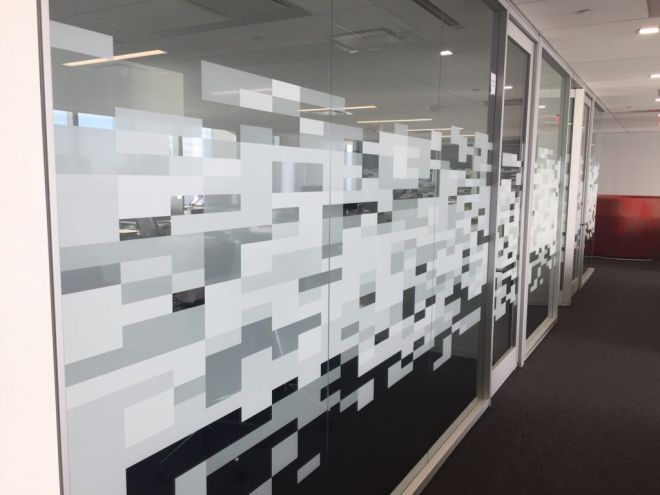
Introduction to Glass Printing Methods
The world of glass printing has undergone remarkable transformations over the past few decades, owing largely to advancements in technology. Among the most significant of these advancements are digital glass printing and screen printing, both offering unique benefits and applications. As industries ranging from architecture to interior design increasingly incorporate printed glass into their projects, understanding these methods becomes crucial for manufacturers, designers, and clients alike. This article delves into the nuances of these printing techniques, underscoring their importance in today's marketplace.
Comparison of Process Techniques
● Digital Printing's Precision
Digital glass printing stands out for its precision and adaptability. This method employs modern inkjet technology, allowing for high-resolution prints directly onto glass surfaces. A significant advantage of digital glass printing is its ability to produce intricate designs with seamless gradation and complex color schemes. This precision is particularly beneficial for projects requiring detailed images, such as photorealistic designs or complex patterns.
● Traditional Methods of Screen Printing
Contrastingly, screen printing adopts a more traditional approach, utilizing mesh screens and stencils to apply ink onto the glass. While this method may not match the precision of digital techniques, its reliability and the vibrant colors it produces make it a popular choice for certain applications. Screen printing is traditionally favored for simple designs and bulk orders, offering a cost-effective solution for projects where image detail is less critical.
Ink Application Differences
● Ceramic Inks in Digital Printing
A notable feature of digital glass printing is the use of ceramic inks. These inks are fused into the glass during the tempering process, making them highly resistant to environmental wear and tear. This fusion not only ensures durability but also provides an appealing finish that maintains its vibrancy over time, making it ideal for both indoor and outdoor applications.
● Squeegee Technique in Screen Printing
On the other hand, screen printing employs a squeegee technique to press ink through the stencil onto the glass surface. The ink used in screen printing needs to be thick enough to withstand multiple applications across various surfaces, which can sometimes limit the detail achievable but ensures a strong, vibrant color output. This method has been time-tested for its effectiveness, particularly in producing bold and simple designs.
Evaluating Image Quality
● Detail Orientation in Digital Prints
When it comes to image quality, digital glass printing leads with its attention to detail. The digital printing process can accommodate subtle changes in shades and gradients, capturing the complexity of images that require high fidelity. This capability makes it a preferred choice for projects that demand intricate detailing, such as artwork replications or maps.
● Vibrancy Achieved with Screen Printing
However, screen printing boasts unparalleled vibrancy. The thickness of the ink and its application method allow colors to remain bold and eye-catching, even from a distance. This vibrancy is especially desirable for branding and large-scale installations where visibility and impact are critical.
Cost Analysis of Printing Methods
● Economic Considerations for Bulk vs. Short Runs
Cost is a substantial factor when choosing between digital and screen printing. Digital glass printing often incurs higher costs, especially for small batches or unique designs, due to the precision and technology required. However, it becomes cost-effective for customized short runs where setup costs are minimized. In contrast, screen printing is generally more economical for bulk orders, where the initial setup cost is offset by the volume of production.
Setup Time and Efficiency
● Time Implications for Digital Setup
Digital printing setups are typically faster and more flexible, as they involve minimal physical adjustments. This speed makes digital printing ideal for projects with tight timelines, as changes can be easily implemented without the need to create new stencils or screens.
● Manual Setup in Screen Printing
Screen printing, however, requires more manual labor and setup time. Each new design necessitates creating a new screen, which can be time-consuming but is worthwhile for repeated long-run prints. Despite the longer setup time, once the process is underway, screen printing can produce large quantities swiftly.
Design Flexibility Across Techniques
● Last-Minute Changes with Digital Prints
One of the most significant advantages of digital glass printing is its design flexibility. Changes can be made at the last minute without the need for physical alterations, a feature that can save both time and resources. This flexibility allows designers to refine their work until the final stages, ensuring client satisfaction.
● Rigid Design Requirements in Screen Printing
In contrast, screen printing requires a more rigid approach to design due to the physical nature of the stencils. Any change necessitates a new screen, which can be costly and time-intensive. As such, screen printing is best suited for designs that require fewer revisions.
Color Range Capabilities
● Unlimited Digital Color Palette
Digital printing's use of advanced software allows for an almost unlimited color palette. This capability is essential for projects requiring a wide range of colors and specific hues, providing designers the freedom to experiment with various shades and effects.
● Color Limitations in Screen Printing
Screen printing is limited by the inks available and the number of screens that can be realistically used, which can constrain the color range. However, the intensity of the colors used in screen printing often compensates for this limitation, ensuring that designs remain impactful.
Durability and Longevity
● Resistance Attributes of Digital Inks
Digital glass printing, with its ceramic inks, offers exceptional resistance to fading and scratching, making it suitable for high-traffic areas and external environments. This durability ensures that digital prints maintain their quality over time, providing a long-term solution for clients seeking longevity.
● Factor of Wear in Screen Printed Items
Screen printed items, while generally robust, may not match the long-term endurance of digital prints. Over time, the ink may be prone to wear, particularly in outdoor settings where exposure to the elements is a factor. However, with the right maintenance, screen printed glass can remain in good condition for several years.
Diverse Application Areas
● Usage in Architectural and Decorative Projects
Digital glass printing is widely used in architectural and decorative projects, where its ability to produce detailed, vibrant designs has been transformative. It allows architects and designers to create bespoke installations that blend aesthetics with functionality, enhancing the appeal of commercial and residential spaces.
● Common Screen Printed Items Like Logos and Frames
Screen printing, with its bold color output and cost-effectiveness, is commonly employed for items like logos, signs, and frames. Its application in branding initiatives and decorative frames is well-recognized, offering businesses a reliable method to communicate their identity through glass installations.
BLUE-SKY: Excellence in Glass Processing
Since its establishment in 2000, Hangzhou BLUE-SKY Safety Glass Co., Ltd., located near both Ningbo and Shanghai ports, has become a prominent name in the glass processing industry. With a vast 75,000 sqm facility, over 300 skilled employees, and advanced technology, Blue-sky excels in glass deep processing. Their range includes tempered, laminated, insulated, and printed glass, supported by world-class equipment and certifications like CCC and ISO. Emphasizing custom specifications and exceptional service, Blue-sky remains a preferred digital glass printing supplier, exporting high-quality products globally.