

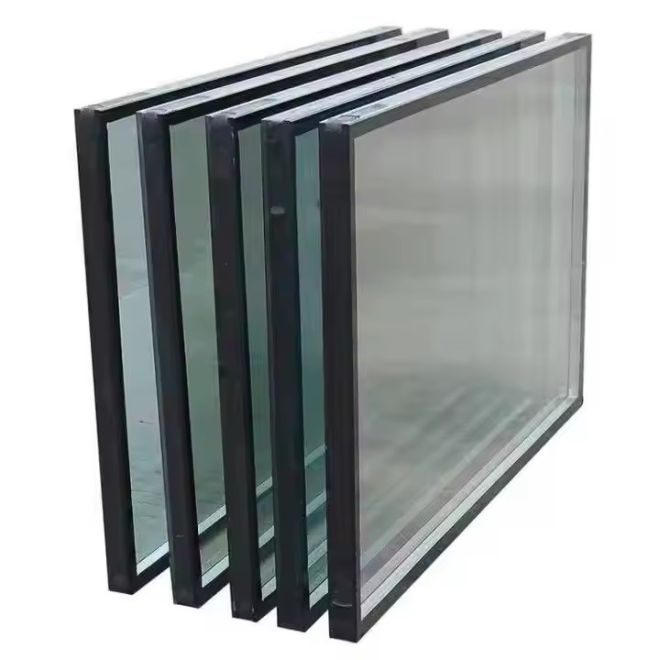
Introduction to Toughened Glass
Toughened glass, also known as tempered glass, stands as a pinnacle of innovation in the construction industry, offering a blend of strength, safety, and visual appeal. Characterized by its thermal treatment process, this type of glass undergoes rapid heating followed by controlled cooling, enhancing its strength compared to regular glass. Its unique properties make toughened glass an ideal choice for applications where safety and durability are paramount, such as in skyscraper windows, shower doors, and especially in the construction of aesthetically pleasing yet resilient balustrades. The focus of our discussion narrows down to understanding the relevance and applications of 8mm toughened glass balustrades, highlighting their significance in modern architectural designs.
Standards and Specifications of Toughened Glass
● Overview of BS EN 12150
BS EN 12150 is the definitive standard that governs the quality and performance specifications of thermally toughened soda lime silicate safety glass. Adherence to this standard ensures that the glass meets essential criteria for both safety and performance, safeguarding consumers and users. It stipulates parameters such as mechanical strength, surface flatness, optical quality, and the stringent production processes required to achieve these attributes.
● Importance of Adhering to Standards
Compliance with standards such as BS EN 12150 is non-negotiable in professional glass manufacturing and engineering. These standards not only guarantee safety and reliability but also bolster consumer confidence. For manufacturers and suppliers, like those producing wholesale 8mm toughened glass balustrades, meeting these benchmarks is crucial to maintaining market reputation and ensuring product longevity.
Common Thicknesses and Their Uses
● Comparison of 4mm, 6mm, 8mm, 10mm, and 12mm
Each thickness of toughened glass serves its unique purpose within the architectural domain. While 4mm and 6mm glass are frequently employed in applications requiring less structural load, such as small windows or interior partitions, the 8mm thickness strikes a perfect balance between strength and aesthetic flexibility, making it the preferred choice for balustrades. Comparatively, 10mm and 12mm glass types are reserved for installations demanding additional robustness, such as structural glazing and security applications.
● Factors Influencing Thickness Choice
The selection of glass thickness is influenced by several factors, including the intended structural role, environmental conditions, aesthetic considerations, and regulatory requirements. For instance, in balustrading, 8mm toughened glass offers sufficient strength to withstand external loads and impacts while providing a sleek and modern appearance.
Applications in Building Construction
● Use in Windows and Doors
Toughened glass, particularly the 8mm variant, is significantly utilized in the construction of windows and doors. Its enhanced safety features ensure that even if broken, it fragments into small, blunt pieces rather than sharp shards, minimizing injury risks. This property is especially vital for installations at elevated heights or in high-traffic areas.
● Role in Enhancing Structural Integrity
Incorporating toughened glass into structural designs not only enhances safety but also contributes to overall building integrity. The ability to support substantial weight and resist thermal stress makes it indispensable in contemporary construction, where innovative designs often demand unconventional materials.
Advantages of Using 8mm Toughened Glass
● Strength and Durability Benefits
One of the foremost advantages of using 8mm toughened glass in balustrades is its superior strength and durability. This glass type can endure significant impacts and resist temperature fluctuations, maintaining its structural integrity over time. As a result, manufacturers and suppliers of 8mm toughened glass balustrades can confidently promote its use in both residential and commercial environments.
● Aesthetic and Safety Considerations
Beyond its physical properties, 8mm toughened glass provides aesthetic flexibility, allowing architects and designers to craft spaces that are both beautiful and safe. In balustrading, its transparency does not obstruct views, enhancing natural light flow and creating an illusion of space while safeguarding occupants.
Role in Balcony Railings and Safety
The utility of 8mm toughened glass extends prominently to balcony railings, where safety and visual appeal converge. Its ability to provide an unobstructed view while maintaining structural safety is invaluable in residential complexes and office buildings alike. A well-designed glass balustrade is not only a safety feature but also a design element that elevates the overall architectural aesthetic.
● Importance in Preventing Accidents
In terms of safety, the use of toughened glass vastly reduces the likelihood of serious injury during accidents. The glass’s ability to fragment into blunt pieces upon breakage is a critical safety feature, making it a preferred choice for railings in high-traffic or family-oriented environments.
● Design and Aesthetic Contributions
8mm toughened glass balustrades serve as functional art, their minimalist design enhancing the architectural language of modern buildings. Whether in commercial settings or residential spaces, their clean lines contribute to a contemporary aesthetic while integrating seamlessly with diverse design elements.
Single vs. Double Glazing with Toughened Glass
● Energy Efficiency Considerations
When considering glazing options, single and double glazing each offer distinct advantages. Double glazing, incorporating two panes of toughened glass, significantly enhances energy efficiency by reducing heat transfer and improving insulation. In contrast, single glazing, although less insulative, may be preferred in situations where weight or cost considerations are paramount.
● Acoustic and Insulation Properties
The insulating properties of double-glazed toughened glass extend beyond thermal benefits, providing superior acoustic insulation as well. This dual benefit is a decisive factor in its selection for urban constructions, where noise pollution is a concern.
Versatility Across Architectural Designs
● Adaptability to Various Styles
The versatility of 8mm toughened glass allows it to adapt to various architectural styles, from traditional to ultra-modern. Its ability to conform to different shapes and finishes makes it a staple in architectural innovation, allowing designers to push the boundaries of aesthetic possibilities.
● Impact on Modern Architecture
In modern architecture, where open spaces and seamless visual transitions are desired, toughened glass plays a pivotal role. Its incorporation ensures that structures not only meet contemporary aesthetic standards but also align with evolving safety and sustainability norms.
Comparative Analysis with Other Glass Types
● Benefits Over Regular Glass
Toughened glass outperforms regular glass in strength, safety, and thermal resistance. Unlike conventional glass, it withstands greater physical and thermal stress, ensuring longevity and reducing replacement costs, a factor that resonates well with both consumers and industry professionals.
● Cost and Performance Comparison
While toughened glass may initially present a higher cost compared to regular glass, the performance benefits and reduced maintenance needs often translate to greater long-term value. This cost-effectiveness makes it a favored choice among builders and architects who prioritize quality and durability.
Future Trends and Innovations in Glass Technology
● Emerging Technologies in Toughened Glass
The future of glass technology is set to transform the construction landscape with innovations such as smart glass and self-cleaning coatings. These advancements promise to extend the functionality of toughened glass beyond traditional applications, enhancing building performance and user experience.
● Sustainable and Smart Glass Solutions
In response to growing environmental concerns, sustainable glass solutions are gaining traction. The integration of smart technologies with toughened glass can improve energy management and reduce environmental impacts, aligning with global sustainability goals. Manufacturers and suppliers are increasingly investing in research to develop products that meet these evolving needs.
BLUE-SKY: A Pioneer in Glass Manufacturing
Since its establishment in 2000, Hangzhou BLUE-SKY Safety Glass Co., Ltd. has emerged as a leader in the glass processing industry. Situated in Hangzhou with easy access to Ningbo and Shanghai ports, Blue-Sky operates a vast 75,000 sqm factory equipped with cutting-edge technology and staffed by over 300 skilled employees. Specializing in high-quality tempered, laminated, and insulated glass, Blue-Sky is renowned for its commitment to superior products and customer service. With certifications like CCC, ISO, and CE, and a capacity exceeding 20,000 sqm per day, Blue-Sky remains a trusted name in glass solutions worldwide.
