

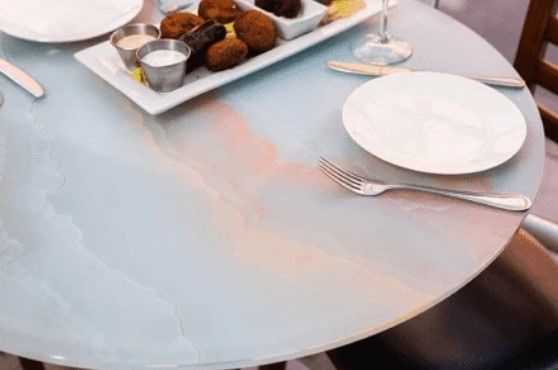
In the world of interior design and architecture, glass plays an irreplaceable role, bringing in natural light and elegance to any space. Among the different types of glass available, tempered glass stands out due to its strength and safety features. This article delves into understanding tempered glass, with a focus on identifying a round tempered glass table top, and explores the offerings in this field by top manufacturers and suppliers.
Identifying Tempered Glass
● Importance and Applications of Tempered Glass
Tempered glass, known for its high safety and strength, is a type of safety glass processed by controlled thermal treatments to increase its strength. It finds applications in numerous areas, including window panes, doors, shower doors, and as table tops. A round tempered glass table top, for instance, is a popular choice for both residential and commercial spaces due to its ability to withstand impact without breaking into sharp shards.
● Key Differences Between Tempered and Non-Tempered Glass
The primary distinction between tempered and non-tempered glass lies in their manufacturing process. Tempered glass undergoes a heating and rapid cooling process, making it four to five times stronger than untreated glass. This strength ensures that upon impact, it disintegrates into small, less harmful fragments, unlike the sharp shards of non-tempered glass.
Spotting the Stamp: The First Step
● Typical Location and Appearance of the Tempering Stamp
One of the simplest methods to identify tempered glass is by looking for the tempering stamp. This stamp is usually found in one of the corners of the glass and includes details such as the manufacturer's name and compliance marks indicating that the glass meets safety standards. For a wholesale round tempered glass table top, this identifier is crucial as it assures buyers of the product's safety and authenticity.
● Information Often Included in the Stamp
The tempering stamp generally contains the name of the round tempered glass table top supplier, compliance certifications (like CE or ANSI), and sometimes the date of manufacture. This stamp not only signifies quality but also helps in tracking the manufacturing source, which is essential when purchasing from a round tempered glass table top manufacturer.
Edge Examination: Texture and Imperfections
● Characteristics of Tempered Glass Edges
Another method to identify tempered glass is by examining its edges. Tempered glass typically has smoother, more polished edges than non-tempered glass. The edges might also show slight imperfections due to the high temperatures involved in the tempering process.
● How Slight Imperfections Can Distinguish From Non-Tempered Glass
While the glass surfaces are smooth, the edges may reveal tiny imperfections or a slight wave-like pattern, distinguishing it from ordinary glass. These imperfections do not affect performance but are rather a testament to its tempered nature.
Breaking Patterns: Understanding the Shatter
● Differences in Break Patterns of Tempered Versus Non-Tempered Glass
Tempered glass shatters differently than regular glass. Upon impact, it breaks into small, dull-edged pieces, minimizing injury risk. This makes tempered glass ideal for products like round tempered glass table tops, ensuring the safety of users in case of accidents.
● Safety Implications of Each Break Pattern
The unique break pattern of tempered glass reduces the risks associated with breakage, making it a preferred choice for applications in high-traffic or safety-sensitive areas.
Polarized Lenses: Revealing Hidden Details
● How Polarized Sunglasses Can Help Identify Tempered Glass
An interesting trick to identify tempered glass is to use polarized sunglasses. When viewed through these lenses, tempered glass may show patterns or darker spots, which are stress patterns induced during manufacture.
● Visual Cues to Look for in Sunlight Using Polarized Lenses
In sunlight, these stress patterns become more apparent, allowing for easy identification. This simple test can be particularly useful when sourcing from a round tempered glass table top supplier to ensure the glass is indeed tempered.
Sounds of Tempered Glass: Tapping Test
● Audible Differences Between Tempered and Non-Tempered Glass
Tempered glass emits a unique sound when tapped. It produces a higher-pitched, less resonant sound compared to the deep, echoing tone of regular glass.
● How to Perform and Interpret the Tap Sound Test
Performing a tap test requires lightly tapping the glass with a finger or a soft object. Listen for a quick, sharp sound as opposed to a ringing that indicates non-tempered glass.
Thickness Matters: Using a Glass Thickness Gauge
● Why Tempered Glass Tends to Be Thicker
Tempered glass is often thicker to enhance its strength and durability, a vital feature for items like a round tempered glass table top which requires robustness for daily use.
● How to Accurately Measure and Compare Glass Thickness
Using a glass thickness gauge, you can measure and verify the thickness, confirming that the glass meets the specifications provided by a round tempered glass table top manufacturer.
Age and Wear: Challenges in Identification
● Impact of Age on the Visibility of the Tempering Stamp
Over time, the tempering stamp can fade due to wear and cleaning, making it difficult to identify tempered glass by this method alone.
● How Wear and Fading Affect the Identification Process
Scratches and wear marks can obscure identifiers; thus, relying solely on visual cues may not always be effective, especially for older glass pieces.
Bright Conditions: Observing Flaws with Polarized Lenses
● Enhancing Visibility of Tempered Glass Flaws in Bright Light
Bright conditions enhance the visibility of stress patterns in tempered glass, easily observable through polarized lenses. This natural enhancement aids in quick identification for those dealing in wholesale round tempered glass table tops.
● Practical Tips for Using Polarized Lenses Effectively
To make the best use of polarized lenses, ensure you view the glass in direct sunlight or a brightly lit environment, moving the lens slowly across the surface to reveal hidden patterns.
Practical Applications: Choosing Glass for Your Needs
● Considerations for Selecting Tempered Glass in Various Settings
When selecting a round tempered glass table top, consider factors such as durability, maintenance, and aesthetic appeal. Tempered glass not only meets these standards but also provides a safe, elegant solution for various spaces.
● Balancing Aesthetics, Safety, and Functionality in Glass Choice
Balancing aesthetics and safety is key in choosing the right glass. Tempered glass, with its strength and elegant appearance, offers the perfect solution for modern interiors seeking functionality and beauty.
Conclusion: Why Choose BLUE-SKY for Your Tempered Glass Needs
Since its establishment in 2000, Hangzhou Blue-sky Safety Glass Co., Ltd. has emerged as a leader in the glass processing industry. With a vast factory in Hangzhou and proximity to major ports, BLUE-SKY specializes in processing high-quality tempered glass, laminated glass, and more. Their state-of-the-art equipment and experienced workforce ensure top-tier products and services, making them a preferred supplier worldwide. BLUE-SKY's commitment to quality and customer service has earned them numerous certifications, marking them as a reliable choice for all your glass needs.