

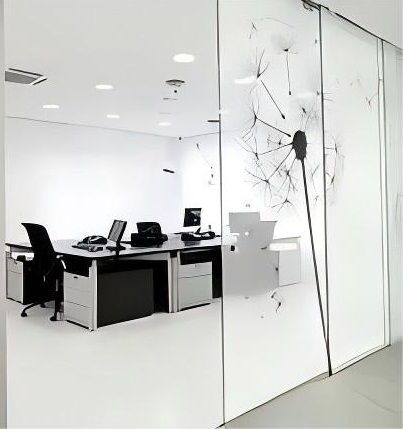
Still wrestling with plain glass facades that look like a 90s office park? Or interiors where every panel screams “cost-cutting” instead of “cutting-edge”?
Digital glass printing might be your shortcut to bold design without terrifying your structural engineer or your budget team.
From UV resistance and color accuracy to print resolution and panel size limits, the technical parameters actually decide whether your concept art survives value engineering.
If you care about thermal performance, glare control, privacy, or wayfinding, printed glass can quietly fix all of that while looking like an art installation.
Need to convince clients or management? Show them actual data: efficiency gains, lifecycle costs, and real project benchmarks in this industry report: Digital & Smart Glass Market Analysis.
Read on before someone specifies “standard clear float glass” one more time.
🏙️ Enhancing Modern Building Facades with High-Resolution Digital Glass Printing
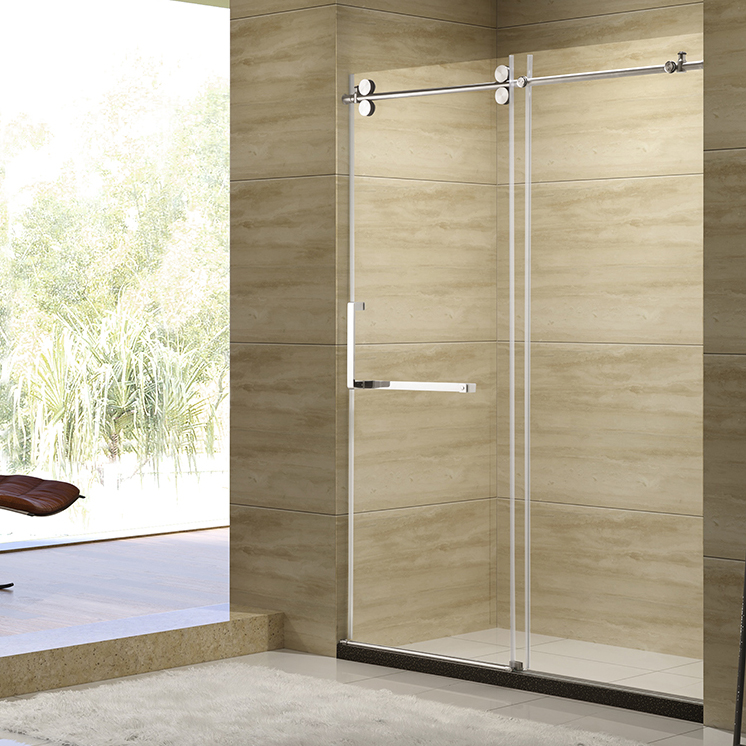
Digital glass printing design turns facades into dynamic visual identities while maintaining structural performance. High-resolution ceramic inks fused into tempered glass deliver durable color, sharp detail, and consistent branding on mid- and high-rise projects.
From curtain walls to balcony balustrades, digitally printed glass helps architects balance aesthetics with solar control, privacy, and occupant comfort. Systems like Tecture Digital Printed Glass make it easier to translate complex façade concepts into buildable, repeatable solutions.
1. Precision Graphics and Branding on Large-Scale Facades
Digital printing supports photo-realistic images, gradients, and precise patterns across multi-story facades without visible tiling or color variation. This allows corporate branding, wayfinding graphics, or city-specific motifs to be integrated into the building skin.
- Resolution up to 720–1440 dpi enables crisp lines and legible text.
- Color management systems maintain brand color accuracy from sample to installation.
- Variable dot size creates smooth shading and soft transitions for subtle designs.
- Printed layers can be placed on inner surfaces for long-term protection from weathering.
2. Integrating Performance: Solar Control, Shading, and Thermal Comfort
Printed patterns are not only decorative; they can be engineered to optimize light transmission and thermal performance. Density, color, and placement of the print influence solar heat gain and interior comfort.
| Design Parameter | Impact on Performance |
|---|---|
| Print Coverage (%) | Higher coverage lowers solar heat gain and glare. |
| Ink Color | Darker inks absorb more heat; light colors reflect more daylight. |
| Pattern Orientation | Horizontal bands suit low sun angles; vertical motifs suit high sun angles. |
| Glass Make-up | Laminated or IGU systems further enhance thermal insulation. |
3. Contextual and Biophilic Façade Design
Digital glass printing makes it feasible to reflect local culture, landscape, or history directly on the building envelope. Biophilic patterns—such as leaves, branches, or abstracted topography—can soften the scale of large facades and improve user experience.
- City skyline silhouettes for urban identity.
- Abstract patterns derived from local crafts or textiles.
- Nature-inspired gradients that transition from dense to transparent.
- Layered imagery combining privacy zones with open view corridors.
4. Combining Printed Glass with Other Architectural Glass Types
Digital printing integrates well with specialty glass, widening the palette for façade performance and appearance. Techniques range from combining printed interlayers with low-E coatings to pairing with etched or frosted surfaces.
- Pair printed units with laminated safety glass for high-traffic or high-wind zones.
- Mix printed panels with Frosted Tempered/Toughened Glass Sheet – Custom Sizes to create visual rhythm.
- Overlay patterns with structural silicone glazing systems for clean, frameless aesthetics.
- Use selective printing to align with interior partition layouts for visual continuity.
🎨 Custom Patterns and Artwork to Elevate Interior Glass Partitions
Inside the building, digital glass printing transforms partitions, doors, balustrades, and feature walls into curated design elements. Custom artwork, logos, and wayfinding graphics can be printed with high accuracy, turning everyday glass into a branded interior surface.
Solutions such as Printed Glass Office Partition with Door | Manufacturer combine aesthetics with acoustic control and privacy, ideal for offices, hospitality projects, and public buildings.
1. Tailored Privacy Levels for Open-Plan Spaces
Printed patterns allow precise control of transparency, creating partitions that feel open while shielding workstations, meeting rooms, or healthcare areas. Designers can specify gradients, partial coverage, or banded motifs instead of solid frosting.
- Micro-dot or linear patterns for semi-private zones.
- Full-height artwork for high-privacy meeting rooms.
- Eye-level bands to block direct views while preserving daylight.
- Brand-aligned graphics that double as wayfinding.
2. Supporting Brand Identity and Storytelling
Digital printing makes it practical to include company values, product imagery, or local references in glass elements. This turns corridors, lobbies, and breakout areas into storytelling media while maintaining a minimal footprint.
| Glass Element | Branding Opportunity |
|---|---|
| Lobby Feature Wall | Full-color imagery, logo, or timeline graphics. |
| Meeting Room Partitions | Subtle patterns based on logo shapes or brand icons. |
| Breakout Zones | Vivid artwork expressing company culture or local art. |
| Wayfinding Panels | Color-coded graphics for navigation without extra signage. |
3. Data Snapshot: Growth of Printed Interior Glass Applications
The use of printed architectural glass has increased across sectors due to design flexibility and performance benefits. The following bar chart illustrates a hypothetical five-year growth trend in digital printed interior glass usage (m²) across offices, hospitality, retail, and healthcare.
4. Combining Digital Printing with Other Decorative Glass Techniques
Interior applications often mix digital printing with etching, frosting, or silk screen techniques. This hybrid approach allows tactile surfaces, layered translucency, and selective color where needed. Products such as Custom Silk Screen Tempered Glass | Decorative Glass complement digital methods for projects that require both mass production and bespoke panels.
- Silk screen for repetitive safety or dot patterns, digital print for unique graphics.
- Acid-etched or frosted background with overprinted artwork.
- Double-sided printing for depth and parallax effects.
- Back-painted areas for opaque zones around hardware or fixings.
🌞 Optimizing Daylight, Privacy, and Glare Control Through Printed Glass Designs
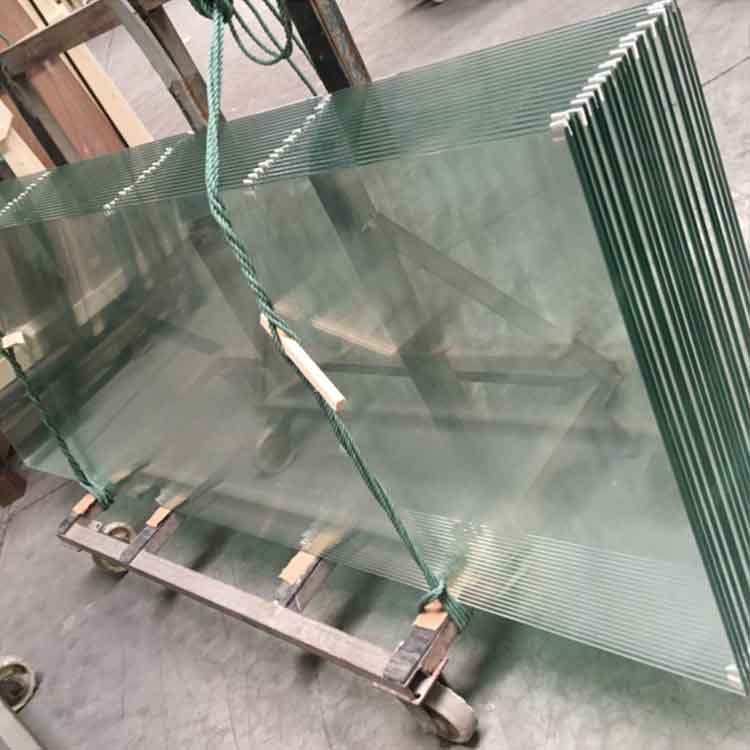
Printed glass helps control how light enters a building, balancing transparency and privacy. Well-planned patterns allow natural daylight without harsh glare, improving occupant comfort and reducing the reliance on blinds or shades.
By varying print density, color, and placement, designers can tailor each façade orientation and interior zone to its specific lighting needs.
1. Daylight Management and Visual Comfort
Digital printing gives nuanced control over visible light transmission (VLT), enabling architects to maintain views while softening brightness. Top-lit patterns can diffuse zenith light, while denser motifs at eye level address direct sun.
- Gradient frits that gradually fade from solid to clear areas.
- Micro-patterns that diffuse light for even illumination.
- Orientation-specific designs to respond to east, west, and south exposures.
- Integration with daylight simulation tools for performance-based design.
2. Privacy Without Losing Transparency
Printed glass offers privacy for offices, healthcare rooms, and residential balconies without resorting to opaque materials. Strategic pattern placement allows occupants to feel connected to the outside while shielding sensitive views.
- Partial opacity zones aligned with seated or standing eye heights.
- Layered designs where inner and outer panes create visual complexity.
- Use of neutral or soft colors for unobtrusive screening.
- Compatibility with laminated make-ups for acoustic and safety needs.
3. Glare and Energy Efficiency
By managing uncontrolled sunlight, printed glass reduces visual fatigue and supports more stable interior temperatures. This can contribute to smaller HVAC loads and better long-term energy performance.
| Print Coverage | Typical Effect on Glare | Typical Effect on Solar Heat Gain |
|---|---|---|
| 10–20% | Minor glare reduction | Small SHGC reduction |
| 30–40% | Moderate glare control for offices | Noticeable SHGC reduction |
| 50–60% | High glare control, suitable for strong sun | Significant SHGC reduction |
🛡️ Improving Safety, Durability, and Maintenance of Architectural Glass Surfaces
Digital glass printing uses ceramic inks that are fired into the glass surface during tempering, creating a robust, long-lasting bond. This approach supports high safety standards and low maintenance requirements for both interiors and facades.
Printed tempered or laminated glass retains full mechanical performance while adding protective and functional layers.
1. Enhanced Safety with Tempered and Laminated Glass
Architectural printed glass is typically combined with safety processes such as tempering and lamination. These treatments increase strength and improve post-breakage behavior, essential for overhead glazing, balustrades, and high-traffic zones.
- Tempered glass offers several times the strength of annealed glass.
- Laminated glass retains fragments, improving safety and security.
- Printed surfaces can be placed facing the interlayer for added protection.
- Compliance with international safety standards for public buildings.
2. Long-Term Color Stability and Weather Resistance
Because ceramic inks are fused into the glass, printed designs resist fading, peeling, or scratching. This is crucial for harsh exterior environments or high-contact interior areas such as doors and handrails.
| Performance Aspect | Digital Ceramic Printed Glass |
|---|---|
| UV Resistance | Excellent; colors remain stable for many years. |
| Abrasion Resistance | High; suitable for frequent cleaning and contact. |
| Chemical Resistance | Good resistance to common cleaning agents. |
3. Easier Cleaning and Lower Maintenance Costs
Printed glass surfaces are usually smooth and non-porous, simplifying cleaning routines. The absence of stick-on films or applied decals means fewer replacements over the building’s life cycle.
- No peeling edges or bubbles compared with vinyl graphics.
- Compatible with hydrophobic or easy-clean coatings.
- Reduced need for blinds that collect dust and require replacement.
- Stable appearance supports consistent building image over time.
🏢 Why Architects and Designers Prefer BLUE-SKY for Digital Glass Printing Projects
BLUE-SKY supports architects, interior designers, and contractors with end-to-end digital glass printing services, from early concept support to final quality control. The focus is on precision, repeatability, and reliable logistics for global projects.
By combining advanced printing technology with a broad glass product range, BLUE-SKY offers a single-source solution for both façades and interiors.
1. Comprehensive Product Range and Customization
From large façade panels to interior feature walls, BLUE-SKY provides versatile printed glass options. Their portfolio includes solutions such as Decorative Digital Glass Panels Printing Tempered Glass Wholesale for large-volume projects and bespoke units for signature spaces.
- Custom sizes, shapes, and cut-outs for hardware integration.
- Single, double, or triple glazing configurations.
- Color matching and pattern scaling services.
- Options for combining printing with frosting, lamination, and coatings.
2. Technical Support Throughout the Design Process
BLUE-SKY’s team assists with artwork preparation, color proofs, and performance recommendations. This reduces uncertainty during specification and helps align aesthetic goals with code and performance requirements.
| Support Type | Benefit to Project Teams |
|---|---|
| Sample Panels & Mock-ups | Validate color, pattern, and transparency on-site. |
| Engineering Input | Confirm glass thickness, make-up, and fixing details. |
| Color Management | Consistent results across different production batches. |
| Logistics & Packaging | Safe delivery of complex and oversized units. |
3. Reliability, Quality Control, and Long-Term Value
Standardized quality checks and advanced production lines help minimize defects and ensure on-site installation runs smoothly. Long-term color stability and performance mean that the upfront design investment continues to add value for many years.
- Strict inspection for color uniformity and print alignment.
- Traceable production records for replacement or expansion phases.
- Capacity for both small bespoke runs and large commercial orders.
- Support for sustainability goals through durable, low-maintenance materials.
Conclusion
Digital glass printing design has changed how façades and interiors are conceived, turning glass from a neutral background into a key design and performance component. High-resolution printing with durable ceramic inks enables vibrant imagery, subtle patterns, and calibrated transparency across both external and internal applications.
For building envelopes, digitally printed glass improves solar control, glare reduction, and contextual expression, while maintaining structural performance and safety. Inside, printed partitions and decorative panels support brand identity, privacy, and visual comfort without sacrificing daylight or openness. When combined with tempered, laminated, or frosted glass types, printed designs deliver a balance of beauty, durability, and functionality.
Working with specialists such as BLUE-SKY gives architects and designers the technical support, manufacturing precision, and product range required to realize ambitious concepts. With careful specification, digital glass printing becomes a long-term asset for the building’s identity, occupant experience, and operational performance.
Frequently Asked Questions about digital glass printing design
1. How durable is digitally printed architectural glass on exterior facades?
When ceramic inks are used and fired during tempering, the printed layer becomes integral to the glass surface. This provides high resistance to UV light, temperature changes, abrasion, and cleaning chemicals, making it suitable for long-term exterior use without noticeable fading or peeling.
2. Can digital glass printing be used for safety glass applications?
Yes. Digital printing is compatible with tempered and laminated glass, which are standard for safety applications. The glass can meet relevant impact and breakage standards while carrying the printed design, making it appropriate for balustrades, canopies, partitions, and overhead glazing.
3. How does printed glass improve energy efficiency and glare control?
Printed patterns can reduce visible light and solar heat entering a building by partially shading the glass. Adjusting coverage, color, and distribution of the print helps limit glare, stabilize interior temperatures, and lower cooling loads. This effect is strengthened when printed glass is part of an insulated glazing unit.
4. Is it possible to match brand colors accurately on printed glass?
Modern digital printing systems use color management and profiling to approximate brand colors closely. While exact matches to backlit digital screens are not always feasible, physical samples and mock-ups allow designers to confirm acceptable color accuracy under real lighting conditions before full production.
5. What file formats and resolution are recommended for digital glass printing artwork?
Vector files (such as AI, EPS, or PDF) are preferred for logos and line work, while high-resolution raster images (typically 150–300 dpi at full size) are suitable for photographs or gradients. Clear layer organization and scale information help the manufacturer prepare the files correctly for large-format glass panels.