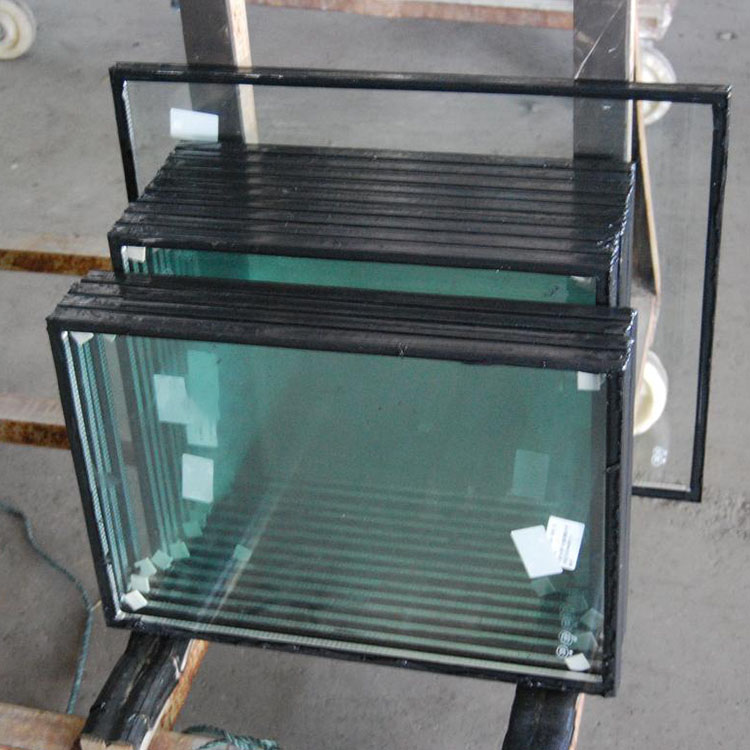
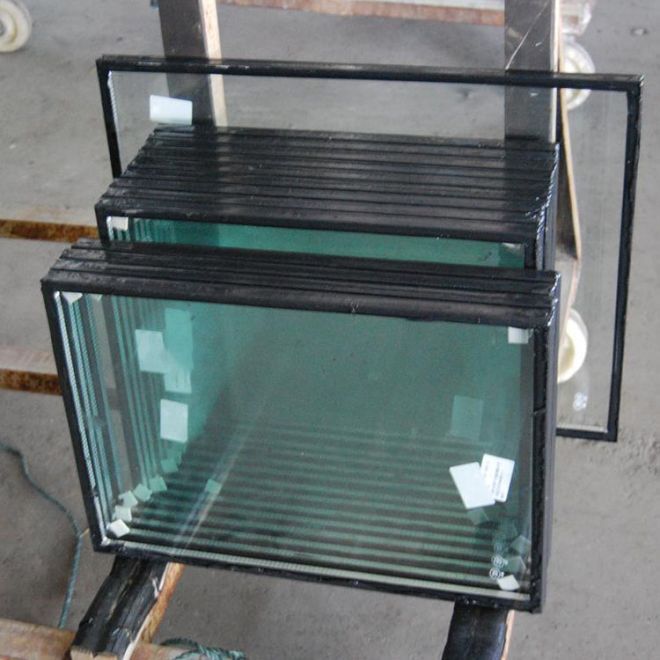
Introduction to Double Glazing
Double glazing has revolutionized the approach to energy efficiency in residential and commercial buildings. By incorporating two panes of glass with a vacuum or gas-filled space in between, double glazed windows significantly enhance insulation properties, leading to both energy savings and increased comfort. With the rise of sustainable construction practices, manufacturers, exporters, and wholesalers around the globe are steadily increasing the production of double glazed units to meet demand for energy-efficient solutions.
How Double Glazing Reduces Heat Loss
Principle of Thermal Insulation
Double glazing functions by creating an insulating barrier between the interior and exterior of a building. The air or gas pocket between the glass panes acts as a poor conductor of heat, reducing thermal transfer. This barrier is crucial in preventing heat loss during the winter months and heat gain in the summer, resulting in a stable indoor climate.
Gas-Filled Units for Enhanced Performance
Many double glazed windows are filled with inert gases like argon or krypton to further reduce thermal transfer. These gases have lower thermal conductivity than air, diminishing heat exchange across the window. Studies show that double glazed windows filled with argon gas have a U-value of around 1.6 W/m²K, compared to 2.8 W/m²K for air-filled units, signifying a substantial improvement in insulation.
Material and Design Considerations
Frame Materials Impact Energy Efficiency
The choice of frame material plays a critical role in the overall energy efficiency of double glazed windows. Common materials include uPVC, wood, and aluminum. uPVC is particularly noted for its excellent insulation properties due to its low thermal conductivity. Wooden frames also provide good insulation, while aluminum frames are often equipped with thermal breaks to reduce heat transfer.
Importance of Glazing Design
In addition to material choices, design aspects such as pane thickness, spacer width, and coating options affect energy efficiency. For instance, low-emissivity (Low-E) glass coatings can reflect heat back into the room, reducing heat loss through radiation. Wholesale manufacturers and exporters prioritize these designs to enhance the competitiveness and effectiveness of their products in the global market.
The Role of Pane Spacers
Warm Edge Technology
Pane spacers are crucial components in double glazing, maintaining the distance between glass panes. Advanced “warm edge” spacers have minimal metal content, reducing thermal bridging and improving the overall U-value of the window. This technology helps in maintaining consistent temperatures across the window surface, minimizing condensation risks.
Spacer Materials and Energy Efficiency
Traditional aluminum spacers are being replaced by materials such as stainless steel or composite foams. These materials exhibit lower thermal conductivity, which contributes to reducing heat transfer across window edges. By adopting these technologies, manufacturers enhance the thermal efficiency of their double glazed units.
Energy Ratings and U-Values
Understanding Energy Efficiency Ratings
Energy efficiency ratings for windows range from A++ to E, with A++ being the most efficient. This rating takes into account factors such as U-values, solar gain, and air leakage. A lower U-value indicates better insulating performance, an essential metric for homeowners aiming to reduce energy consumption.
Comparison of U-Values
Typical single-glazed windows have U-values around 5.0 W/m²K, whereas double glazed windows can achieve U-values as low as 1.2 W/m²K with advanced coatings and gas fillings. This reduction in U-value directly correlates to lower heating requirements, emphasizing the role of double glazing in efficient building design.
Cost Implications and Savings
Initial Investment and Cost-Effectiveness
The upfront cost of double glazed windows varies based on materials, design, and performance specifications. On average, installing A-rated double glazed windows can range from $10,000 to $15,000 for a typical family home. However, the energy savings and increased property value often offset the initial investment over time.
Long-Term Financial Benefits
Energy savings from double glazing can be significant. Homeowners typically experience a reduction in heating bills by 10-25%, equating to annual savings of $200-$400, depending on factors such as home size and local climate. These savings contribute to a return on investment within approximately 10 years.
Environmental Impact and CO2 Reduction
Reducing Carbon Footprint
By minimizing energy consumption, double glazed windows play a fundamental role in reducing carbon dioxide emissions. Homes equipped with energy-efficient glazing can decrease CO2 emissions by 600-1,000 kg annually, aiding in the fight against climate change.
Sustainable Manufacturing Practices
Many manufacturers and exporters are adopting sustainable practices in the production of double glazing units. These include sourcing eco-friendly materials, utilizing energy-efficient manufacturing processes, and implementing recycling programs, thereby contributing to a more sustainable global supply chain.
Noise Reduction and Enhanced Comfort
Sound Insulation Properties
The dual-layer structure of double glazing provides effective sound insulation, reducing external noise by up to 70%. This capability is particularly beneficial for homes situated in high-traffic urban areas, improving indoor comfort and living conditions.
Creating a Comfortable Living Environment
Besides temperature and noise control, double glazing also minimizes condensation, reducing mold risk and enhancing indoor air quality. This results in a healthier, more comfortable living space year-round, highlighting the multifaceted benefits of double glazed windows.
Security and Durability Benefits
Enhanced Security Features
Double glazing adds an additional layer of security to properties, as the two panes make breaking through more difficult for intruders. Modern units often include laminated or toughened glass along with advanced locking mechanisms, providing homeowners peace of mind.
Durability for Long-Term Use
With proper maintenance, double glazed windows offer remarkable durability, frequently outlasting single-glazed counterparts. The robust construction withstands adverse weather conditions, ensuring longevity and reducing the need for frequent replacements.
Installation Considerations and Regulations
Regulatory Compliance
Installing double glazing may be subject to local building regulations, especially in heritage or conservation areas. Complying with these rules ensures that the energy efficiency benefits are realized without compromising the structural integrity or aesthetics of the building.
Professional Installation for Optimal Results
Hiring experienced professionals for installation is crucial to achieving maximum energy efficiency from double glazed units. A precise fit minimizes air leakage and maintains the integrity of the insulating barrier, critical factors for achieving stated performance metrics.
BLUE-SKY Provide Solutions
Through innovative design and expert manufacturing, BLUE-SKY offers state-of-the-art double glazing solutions. Our windows combine advanced thermal technology and superior materials to deliver unmatched energy efficiency. For homeowners, architects, and builders seeking quality and performance, BLUE-SKY's products represent a sound investment in sustainability and comfort. Partnering with leading wholesalers and exporters, we ensure that our solutions are accessible globally, catering to the diverse needs of modern construction projects.
User hot search: new double glazing