Introduction to Glass Types
In the modern world, glass is an essential material used in various industries, ranging from construction to interior design. Understanding the different types of glass available is vital for making informed choices, especially when considering costs. Two common types of glass are regular glass and printed glass. Each has unique characteristics that influence their application and pricing structures.
Regular Glass
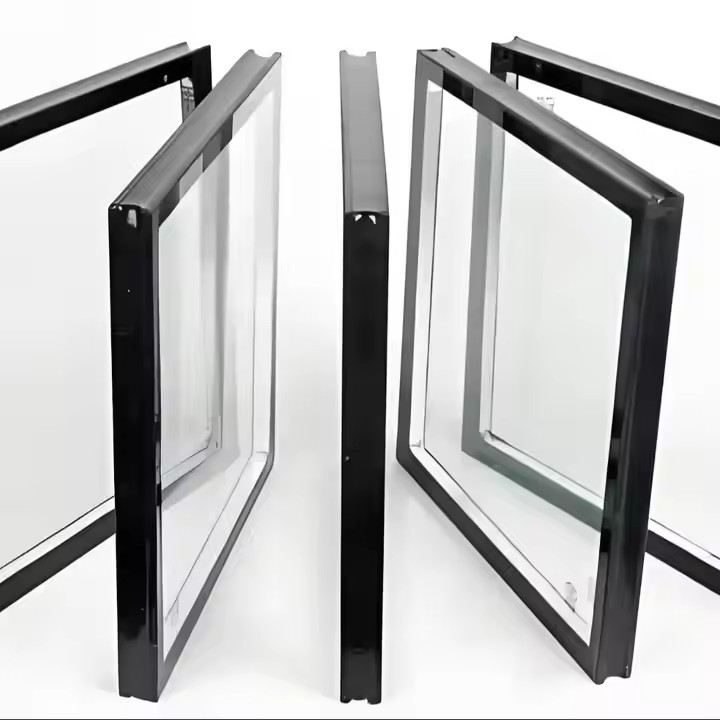
Regular glass, often referred to as clear or float glass, is widely used in windows, doors, and various architectural applications. Known for its transparency and versatility, it serves both functional and aesthetic purposes across multiple sectors.
Printed Glass
Printed glass incorporates complex designs or patterns directly onto the surface. It is increasingly popular in decorative applications, offering a bespoke aesthetic that enhances interior and exterior environments. The printing process typically involves advanced technology, impacting its market positioning and cost.
Production Process Differences
The production processes for regular and printed glass are distinct, contributing to variations in their pricing. These processes involve different levels of technology and labor, influencing the overall cost structure.
Regular Glass Production
Regular glass production typically involves melting raw materials at high temperatures to create a homogenous mixture, which is then cooled to form sheets. This process is relatively straightforward and benefits from economies of scale, reducing manufacturing costs.
Printed Glass Production
Printed glass production is more intricate, incorporating additional steps such as digital printing or screen printing. This involves specialized equipment and skilled labor to ensure high-quality output. The increased complexity and customization potential inherently raise production costs.
Materials and Technology
The materials and technology used in producing regular and printed glass affect their properties and pricing. These factors determine the quality, durability, and aesthetic appeal of the finished product.
Materials Used
Both regular and printed glass start with similar raw materials, such as silica, soda ash, and limestone. However, printed glass may require additional coatings or specialized inks to achieve desired effects, contributing to higher costs.
Technological Advancements
Innovations in glass technology, such as advanced printing techniques and dynamic design capabilities, influence the pricing of printed glass. These technological advancements offer enhanced customization and quality, adding premium value to the product.
Cost Factors for Regular Glass
Several elements impact the pricing structure of regular glass. Understanding these factors helps in assessing market trends and making cost-effective purchasing decisions.
Wholesale and Supplier Influence
Bulk purchasing from wholesalers and suppliers can significantly reduce the cost of regular glass. The price is often influenced by supply chain efficiency and competition among suppliers.
Market Demand
The demand for regular glass in construction and manufacturing sectors affects its price fluctuations. Increased demand usually leads to higher market prices.
Cost Factors for Printed Glass
Printed glass pricing is determined by a combination of production complexity, customization options, and technological requirements. These factors often lead to higher prices compared to regular glass.
Customization Costs
The ability to customize printed glass with unique patterns or images is a significant cost driver. The more intricate the design, the higher the production costs.
Exporter Pricing Dynamics
For international markets, exporters play a critical role in pricing printed glass. Export costs, tariffs, and shipping conditions can substantially impact retail prices.
Pricing Comparisons: Regular vs. Printed Glass
A comparative analysis reveals significant pricing differences between regular and printed glass. This section examines the variations in cost and value addition.
Cost Per Square Meter
Regular glass typically ranges from $10 to $30 per square meter, depending on thickness and quality. In contrast, printed glass can range from $50 to $150 per square meter due to the added design complexity and technological input.
Value Addition
While printed glass commands a higher price, it offers added value in terms of personalized aesthetics and branding potential, which can justify the investment for certain applications.
Durability and Maintenance Costs
The durability and maintenance requirements of glass types also play a role in cost considerations. These aspects influence long-term value and ownership costs.
Durability Factors
Both regular and printed glass offer robust durability; however, printed glass's protective coatings can enhance scratch resistance, potentially leading to lower maintenance needs over time.
Maintenance Considerations
Regular cleaning and maintenance are essential for both glass types. Printed glass may require specialized cleaning solutions to preserve its design integrity, potentially increasing maintenance costs.
Impact of Customization on Pricing
Customization is a pivotal factor in determining the price of printed glass. The level of customization can vary widely, affecting both production and retail costs.
Design Complexity
Complex designs that require multiple colors or layers increase the production time and cost. Advanced technology in the printing process can facilitate intricate designs, justifying higher prices.
Market Demand for Customization
The growing demand for personalized glass solutions in sectors such as interior design and corporate branding influences pricing. As customization becomes more prevalent, prices may continue to rise.
Market Trends and Price Fluctuations
Understanding market trends and price dynamics is crucial for businesses and consumers. These factors can affect budgeting strategies and purchasing decisions.
Influences on Market Pricing
Economic conditions, technological advancements, and changes in consumer preferences impact glass pricing. Monitoring these trends can provide insights for future price predictions.
Price Stability and Volatility
The glass industry can experience price volatility due to shifts in material costs and global demand. Regular monitoring of market conditions helps mitigate risks associated with price fluctuations.
Conclusion and Consumer Considerations
In summary, choosing between regular and printed glass involves careful consideration of cost, customization, and application requirements. Each type offers distinct benefits and challenges that influence purchasing decisions.
Tailoring to Needs
Assessing specific needs and budget constraints is vital when selecting glass types. Wholesale options and supplier negotiations can play a significant role in optimizing costs.
Future Outlook
As technology continues to evolve, further advancements in glass production and customization are anticipated. This progression may lead to more competitive pricing and innovative applications.
BLUE-SKY Provide solutions
BLUE-SKY offers tailored glass solutions to meet diverse consumer needs. Whether opting for the affordability of regular glass or the bespoke appeal of printed glass, BLUE-SKY ensures competitive pricing through strategic partnerships with suppliers and exporters. By emphasizing quality and innovation, BLUE-SKY provides products that enhance aesthetics and functionality while accommodating budgetary constraints. Contact BLUE-SKY to explore cost-effective glass solutions tailored to your project requirements.
User hot search: printed glass price