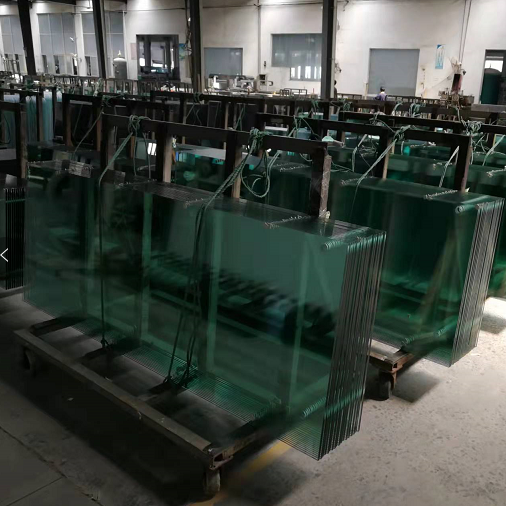

Manufacturing Process Differences
Regular Glass Formation
Regular glass is manufactured using an annealing process where materials such as sand, soda ash, and limestone are heated to a stress relief point. The molten glass is then allowed to cool at a controlled rate. This process significantly impacts the glass's strength and flexibility.
Tempering Process
10mm tempered glass undergoes an additional heating process called tempering. The glass is reheated to high temperatures and then rapidly cooled using high-pressure air. This process strengthens the outer surface and puts the inner layers into tension, enhancing its durability and safety characteristics.
Strength and Durability Comparison
Comparison of Resistance
Tempered glass is approximately four to five times stronger than regular glass of the same thickness. A 10mm tempered glass can withstand significantly more impact and pressure than its regular counterpart, making it a preferred choice for areas requiring higher safety levels.
Service Longevity
The enhanced strength of tempered glass contributes to a longer service life. Its ability to endure environmental stresses such as wind and temperature fluctuations without cracking improves its longevity compared to regular glass.
Safety Features of Tempered Glass
Breakage Patterns
When broken, regular glass shatters into sharp, jagged pieces, posing safety risks. In contrast, 10mm tempered glass breaks into small, rounded granules, significantly reducing injury risks, making it an ideal material for high-traffic or hazardous areas.
Legal and Safety Standards
Tempered glass often meets and exceeds building code requirements for safety glazing materials. It is a preferred choice where safety standards are legally mandated, including doors, showers, and railings.
Cost Considerations
Price Analysis
Regular glass is generally more cost-effective than tempered glass due to the simpler manufacturing process. However, when considering the long-term benefits such as enhanced safety and durability, 10mm tempered glass can offer greater value.
Cost vs. Benefit
Wholesale suppliers and exporters often recommend tempered glass for its cost-effectiveness over time, especially in commercial applications where durability and safety are paramount.
Aesthetic Differences
Visual Clarity and Surface Finish
Both tempered and regular glass offer high levels of clarity, but tempered glass may exhibit minor surface distortions due to the heating process. These are generally imperceptible but more noticeable upon close inspection.
Customization Options
Regular glass allows for more customization in terms of shaping and edging, which can be limited with tempered glass due to its hardness. However, tempered glass can be pre-cut into various shapes before the tempering process.
Identifying Tempered Glass
Visual Inspection
One way to identify tempered glass is by its smoother edges and slight imperfections in the surface. Additionally, etched identifying marks or stamps near the edges indicate compliance with safety standards.
Manufacturer Marks
Look for stamps that include the manufacturer's name and CPSC compliance. Wholesale suppliers often highlight these marks to assure buyers of the glass's authenticity and quality.
Usage Recommendations Based on Location
Interior Applications
For homes and offices, 10mm tempered glass is ideal for use in locations where safety is critical, such as shower doors, partitions, and railings.
Exterior Applications
In commercial buildings, tempered glass is often used for windows and doors to resist environmental pressures and enhance security. Exporters recommend it for its ability to withstand harsh conditions.
Building Codes and Safety Regulations
Compliance Requirements
Local building codes often dictate the use of tempered glass in specific locations for safety reasons. Compliance with these regulations is critical in both residential and commercial construction to avoid legal liabilities.
Wholesale Supplier Standards
Wholesale suppliers ensure their tempered glass products meet stringent safety standards to facilitate compliance with international regulations, which is essential for exporters dealing with global markets.
Environmental Benefits and Sound Insulation
Energy Efficiency
Tempered glass offers better thermal insulation than regular glass, contributing to energy savings by maintaining indoor temperatures more effectively.
Soundproofing Qualities
Thicker tempered glass, such as 10mm, provides improved sound insulation, making it ideal for installations in noisy environments like urban buildings and commercial facilities.
Consulting Professionals for Glass Selection
Expert Recommendations
Consulting with glass professionals and experts, such as wholesale suppliers and exporters, can assist in selecting the right type of glass for specific applications, ensuring the best balance of cost, safety, and performance.
Customization Needs
Professionals can provide guidance on customization possibilities and the suitability of tempered versus regular glass for unique project requirements.
BLUE-SKY Provide Solutions
BLUE-SKY offers comprehensive solutions for selecting and sourcing high-quality glass products. Our team provides expert guidance to help you choose between tempered and regular glass based on your specific needs. As a trusted supplier and exporter, we ensure our products meet international safety standards and are tailored to your unique requirements. Whether for residential, commercial, or industrial use, BLUE-SKY's extensive range of glass solutions guarantees satisfaction in terms of durability, safety, and aesthetic appeal.