

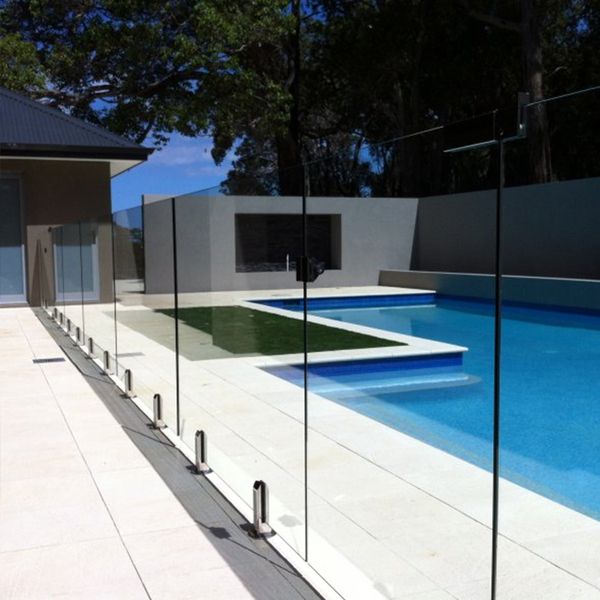
Introduction to 10mm toughened glass Manufacturing
10mm toughened glass, also known as tempered glass, is an essential material used in various construction applications due to its enhanced strength and safety features. The manufacturing process of this glass involves precise techniques that ensure its durability and safety. This article delves into the intricate processes involved in producing 10mm toughened glass, focusing on the roles of custom designs, manufacturers, and exporters in the industry.
Raw Materials Used in Toughened Glass Production
Soda Lime Silicate Glass
The primary raw material for producing 10mm toughened glass is soda lime silicate glass. It consists mainly of silica (SiO2), sodium oxide (Na2O), and calcium oxide (CaO). This composition is ideal due to its excellent optical clarity and thermal stability.
Quality Control of Raw Materials
To ensure the integrity of the final product, manufacturers rigorously test raw materials for impurities, bubble content, and surface imperfections. The outcomes of these tests directly influence the choice of materials, ensuring that only high-quality inputs are used.
Cutting and Shaping Raw Glass Sheets
Precision Cutting Techniques
Before the tempering process, large sheets of raw glass are cut according to specific dimensions using computer-aided cutting machines. Precision cutting is crucial to meet custom size requirements specified by clients.
Shaping and Edge Polishing
After cutting, the edges of the glass are polished to remove sharpness and improve aesthetics. Edge polishing can be accomplished using flat, chamfered, or beveled techniques. Manufacturers align these processes with client specifications, ensuring a desirable finish.
Heating Process in Toughened Glass Manufacturing
Controlled Thermal Heating
The cut glass sheets are placed in a tempering furnace and heated to approximately 650-700°C. This temperature is the softening point of the glass, allowing it to become pliable without losing its shape.
Consistency in Heating
Maintaining uniform heating is crucial for achieving the desired mechanical properties. Manufacturers utilize advanced convection techniques to ensure even distribution of heat across the glass surface.
Rapid Cooling and its Role in Glass Strengthening
Quenching Process
Once the glass reaches the desired temperature, it undergoes rapid cooling, or quenching, through high-pressure air jets. This sudden cooling solidifies the outer surface while allowing the interior to cool more slowly.
Stress Creation for Enhanced Strength
The difference in cooling rates creates compressive stress on the surface and tensile stress inside, significantly increasing the glass's strength. This structural integrity is why toughened glass is 4-5 times stronger than annealed glass.
Safety Features of Toughened Glass
Breakage Characteristics
When broken, toughened glass crumbles into small, blunt pieces rather than sharp shards, reducing injury risk. This feature is crucial for applications in high-traffic areas or where human safety is a concern.
Compliance with Safety Standards
10mm toughened glass meets stringent safety standards, such as BS EN 12150, ensuring it can withstand impact and thermal stress while maintaining safety.
Quality Control in Toughened Glass Production
Inspection and Testing
Manufacturers implement comprehensive quality control measures at each stage of production. These include visual inspections, thermal testing, and stress evaluation, ensuring each sheet meets rigorous quality standards.
Role of Exporters
Exporters work closely with manufacturers to ensure that the glass complies with international standards required by different regions, thereby ensuring smooth entry into global markets.
Customization Options for Toughened Glass
Design Flexibility
Customization options, such as specific shapes, sizes, and edge finishes, allow clients to tailor the glass to their needs. Manufacturers employ CNC technology for precise cutouts and edge work.
Custom Coatings and Finishes
Clients can opt for additional features like Easy Clean coatings or colored finishes, which provide aesthetic appeal and functionality. Customization extends to printing logos or patterns via ceramic frit techniques.
Environmental Considerations in Glass Manufacturing
Energy Efficiency
Glass manufacturers employ energy-efficient processes, reducing the carbon footprint of production. Technologies like forced convection furnaces consume less energy while ensuring consistent product quality.
Recycling and Waste Management
Recycling glass scraps and implementing effective waste management systems reflect the industry's commitment to sustainable practices. These efforts contribute to reducing manufacturing's environmental impact.
Applications and Uses of 10mm Toughened Glass
Construction and Architecture
Due to its strength and safety features, 10mm toughened glass is widely used in constructing curtain walls, office partitions, and sliding doors. Its durability makes it ideal for high-wind load areas.
Decorative and Functional Uses
Beyond construction, this glass finds applications in furniture, such as tabletops and shelves, offering both aesthetic value and practicality. Custom manufacturers cater to diverse requirements across industries.
BLUE-SKY Provide Solutions
BLUE-SKY offers tailored solutions in the toughened glass industry to meet diverse client needs worldwide. As experienced manufacturers and exporters, they provide high-quality, custom glass products compliant with international safety standards. BLUE-SKY focuses on innovative processes, ensuring environmental sustainability and cutting-edge technology are at the forefront of their operations. Their comprehensive approach offers seamless integration from concept to completion, delivering superior solutions for architectural and functional applications globally.
