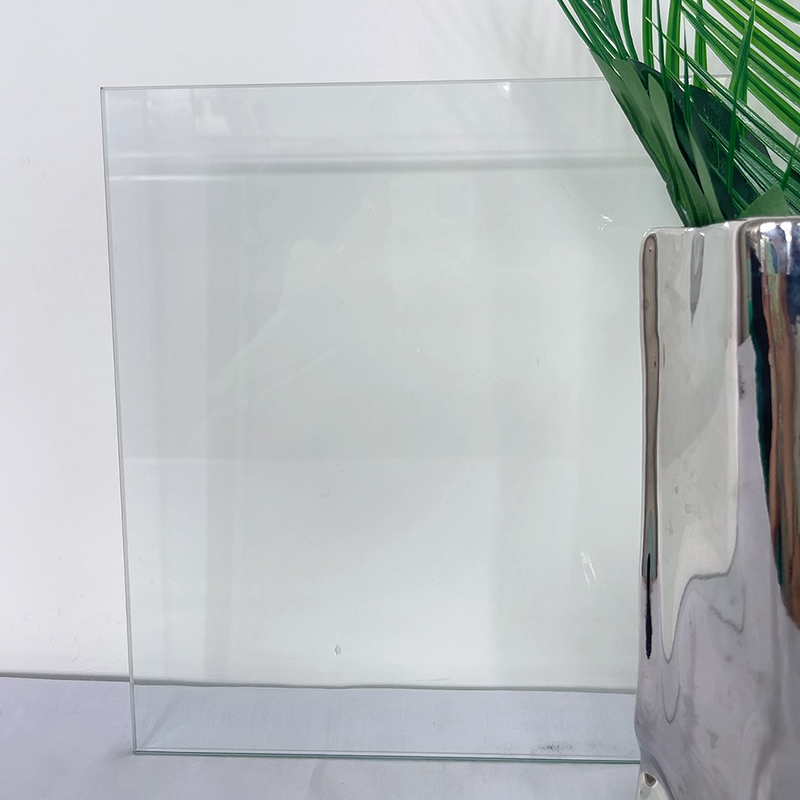
Introduction to Toughened Glass
● Definition and Basic Characteristics
Toughened glass, also known as tempered glass, stands out as a marvel of modern materials science. It is a type of safety glass processed by controlled thermal or chemical treatments to increase its strength compared to normal glass. The process involves heating the glass to around 620 degrees Celsius and then rapidly cooling it, which induces compressive stresses on the surface while the interior remains in tension. This unique structure not only makes it remarkably sturdy but also endows it with incredible safety features.
● Comparison with Annealed Glass
In contrast to annealed glass, which can shatter into large, dangerous shards upon impact, toughened glass is designed to break into small, blunt pieces that minimize the risk of injury. This distinction makes it the preferred choice in applications where human safety is paramount, such as in automotive windows, building facades, and various types of safety barriers, including 8mm toughened glass balustrade systems.
Safety Advantages of Toughened Glass
● Shatter Pattern and Reduced Injury Risk
One of the most compelling safety features of toughened glass is its shatter pattern. When broken, toughened glass fractures into tiny, relatively harmless granules instead of jagged shards. This characteristic significantly reduces the risk of injury, making it ideal for use in environments where human safety is a priority. The 8mm toughened glass balustrade, for example, provides a high level of security and peace of mind in both residential and commercial settings.
● Applications in Safety-Critical Environments
Toughened glass finds extensive applications in safety-critical environments due to its robust nature and safe shatter pattern. It is commonly used in the manufacturing of shower doors, glass doors and windows, tabletops, and protective barriers in sports facilities. The wholesale 8mm toughened glass balustrade market is particularly vibrant, catering to a wide range of architectural and design needs with an emphasis on safety.
Strength and Durability
● How Toughened Glass is Up to Five Times Stronger
Compared to standard annealed glass, toughened glass can be up to five times stronger. This impressive strength is a result of the thermal tempering process, which introduces compressive stresses on the surface and tensile stresses within. These stresses work in unison to enhance the overall structural integrity of the glass, making it far more resilient to mechanical impacts and thermal stresses.
● Factors Contributing to Its Strength
Several factors contribute to the strength of toughened glass. The quality of the raw materials, precision in the tempering process, and the uniformity of the thermal treatment all play crucial roles. For instance, an 8mm toughened glass balustrade manufacturer must meticulously control these variables to produce a product that meets rigorous safety and performance standards.
Manufacturing Process
● Steps Involved in Toughening Glass
The manufacturing process of toughened glass involves four primary stages: cutting, inspection, tempering, and quality control.
1. Cutting : The glass is cut to the desired dimensions from large sheets of annealed glass.
2. Inspection : Each piece is inspected for imperfections that could lead to failure during tempering.
3. Tempering : The glass is heated to approximately 620 degrees Celsius and then rapidly cooled using air jets.
4. Quality Control : The toughened glass undergoes rigorous testing to ensure it meets specified standards of strength and safety.
● Differences from the Manufacturing of Annealed Glass
The primary difference in the manufacturing processes of annealed and toughened glass lies in the tempering stage. While annealed glass is simply cooled slowly to relieve internal stresses, toughened glass undergoes rapid cooling to introduce the beneficial compressive and tensile stresses. This additional step is what gives toughened glass its superior strength and safety features.
Applications in Building and Construction
● Use in Windows, Doors, and Facades
Toughened glass has become a staple in modern architecture and construction. Its application in windows, doors, and facades not only enhances the safety of buildings but also contributes to their aesthetic appeal. An 8mm toughened glass balustrade supplier typically provides customized solutions to fit the specific design and functional needs of a project, ensuring both beauty and safety are achieved.
● Benefits Over Traditional Glass in Construction
Traditional annealed glass, while cheaper, poses significant safety risks and lacks the durability of toughened glass. Toughened glass, on the other hand, offers superior resilience to mechanical stress, thermal shock, and impacts. These attributes make it ideal for high-traffic areas and structures exposed to harsh environmental conditions. The use of toughened glass in balustrades, partitions, and building envelopes also allows for more daring and innovative architectural designs.
Automotive and Transport Uses
● Implementation in Vehicle Windows and Windscreens
The automotive industry has long recognized the benefits of toughened glass in enhancing passenger safety. Vehicle windows and windscreens made from toughened glass are not only more resistant to impacts but also provide crucial protection in the event of an accident. The glass's ability to shatter into small, non-sharp fragments reduces the risk of injury to occupants, making it an indispensable material in modern vehicle design.
● Importance for Passenger Safety
Passenger safety is paramount in the transport sector, and toughened glass plays a critical role in achieving this goal. Its application extends beyond cars to include trains, buses, and aircraft, where the combination of strength and safe fracture patterns is essential. Many leading automotive manufacturers rely on reputable 8mm toughened glass balustrade manufacturers to supply high-quality glass components that meet stringent industry standards.
Differences Between Toughened and Laminated Glass
● Structural and Functional Distinctions
While both toughened and laminated glass are designed to enhance safety, they achieve this through different mechanisms. Toughened glass relies on induced stresses to improve strength and control shattering patterns. Laminated glass, on the other hand, consists of two or more layers of glass bonded with an interlayer, typically made of polyvinyl butyral (PVB). This structure ensures that, even if the glass breaks, the fragments remain adhered to the interlayer, providing a barrier against intrusion and continued protection against injury.
● Situational Advantages of Each Type
The choice between toughened and laminated glass depends on the specific requirements of an application. Toughened glass is ideal for situations where impact resistance and safety from breakage are crucial, such as in windows, doors, and 8mm toughened glass balustrades. Laminated glass, due to its ability to remain intact after breakage, is often preferred for skylights, overhead glazing, and security glazing. Each type has its situational advantages, making them complementary rather than competing materials in many architectural and safety applications.
Maintenance and Care
● Best Practices for Cleaning and Maintaining Toughened Glass
Maintaining toughened glass involves regular cleaning with appropriate materials to preserve its clarity and longevity. It is advisable to use non-abrasive cleaners and soft cloths to prevent scratching the surface. For toughened glass balustrades, especially, it is essential to inspect the fittings and mounts periodically to ensure they remain secure and free from damage.
● Durability Considerations in Usage
While toughened glass is remarkably durable, it is not immune to damage. Avoiding sharp impacts, particularly along the edges where the compressive stress is highest, is crucial. Additionally, understanding the environmental conditions, such as temperature fluctuations and exposure to harsh chemicals, can help in taking appropriate measures to prolong the life of the glass.
Environmental Impact and Sustainability
● Recyclability and Eco-Friendliness of Toughened Glass
Toughened glass is highly recyclable, which contributes to its environmental sustainability. Recycling toughened glass entails crushing and melting down the material to produce new glass products, reducing the need for raw materials and minimizing waste. This eco-friendly attribute makes it an attractive option for green building initiatives and sustainable design practices.
● Role in Sustainable Building Practices
In the context of sustainable building practices, toughened glass offers several advantages. Its durability and long life span reduce the need for frequent replacements, while its high recyclability supports circular economy principles. Furthermore, toughened glass can enhance energy efficiency by providing better insulation when used in double or triple glazing systems, thereby reducing a building's overall energy consumption.
Future Trends in Glass Technology
● Innovations in Toughened Glass Production
The field of glass technology is continually evolving, with new innovations aimed at enhancing the properties of toughened glass. Advances in manufacturing techniques, such as better control of the tempering process and the development of new coating technologies, promise to produce even stronger and more versatile glass products. These innovations are poised to meet the growing demands of architectural and automotive industries for safer, more efficient, and aesthetically pleasing solutions.
● Potential Future Applications and Advancements
The future of toughened glass extends beyond traditional applications. Emerging trends include its use in smart glass technologies, which allow for dynamic control of light and heat transmission. Additionally, the integration of photovoltaic elements into toughened glass panels offers the potential for building-integrated renewable energy sources. These advancements represent the next frontier in glass technology, promising to deliver enhanced functionality and sustainability in various applications.
Blue-Sky: A Leader in Glass Processing
Since its establishment in 2000, Hangzhou BLUE-SKY Safety Glass Co., Ltd. has become a renowned name in the glass processing industry. Located in Hangzhou city, close to both Ningbo and Shanghai ports, Blue-Sky operates a 75,000 sqm factory equipped with advanced technology and imported equipment. With over 300 experienced employees, Blue-Sky specializes in tempered, laminated, insulated, and printed glass, among other products. Their commitment to quality and service has positioned Blue-Sky as a preferred supplier to customers worldwide, including the USA, Canada, Germany, UK, Italy, Denmark, Australia, Indonesia, and South Africa.