

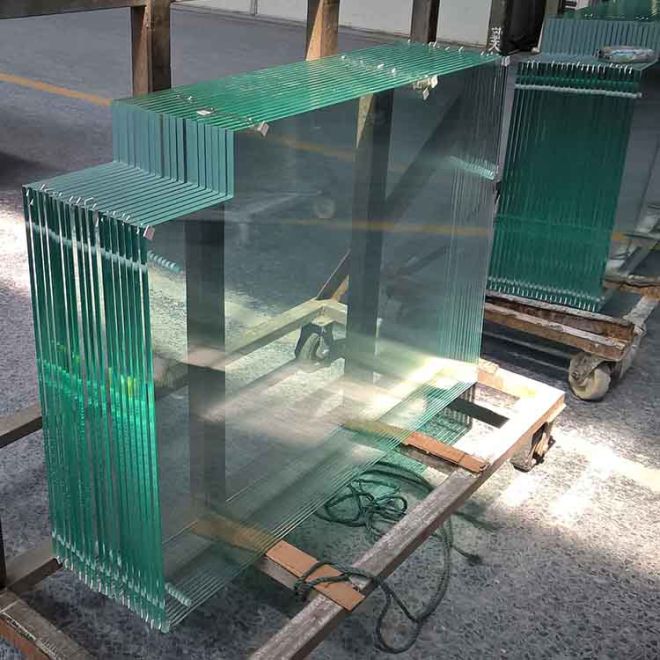
Choosing between tempered and laminated glass can feel like a quiz you forgot to study for—both sound “fancy,” both are see-through, and somehow your safety, wallet, and sanity are all on the line.
This guide breaks it down simply: compare strength, safety, and noise control using real-world examples, then match each glass type to your home’s needs, backed by standards from the NSG Group safety glass guidelines.
🔍 Understanding the basic differences between tempered and laminated glass panels
Tempered and laminated glass panels both improve safety, but they behave very differently under stress. Knowing these basics helps you pick the right option for each project.
Tempered glass is heat-treated for strength, while laminated glass bonds layers with a plastic interlayer. This changes how they break, block noise, and resist impact.
1. What is tempered glass?
Tempered glass is standard float glass heated and rapidly cooled. This process makes it around four times stronger than regular glass and suitable for daily impact.
- Breaks into small, blunt pieces
- Good for doors, partitions, and shower enclosures
- Cannot be cut or drilled after tempering
2. What is laminated glass?
Laminated glass uses two or more glass sheets bonded with a PVB or EVA interlayer. If it breaks, shards stick to the film and stay in place.
- Stays in the frame after breakage
- Better sound and UV control
- Ideal for high-rise and pool fencing
3. Key performance differences
Tempered glass focuses on strength and safe breakage, while laminated glass adds structural hold, noise reduction, and security performance in impact events.
| Feature | Tempered | Laminated |
|---|---|---|
| Strength | High | Medium–High |
| Post-break safety | Shatters into small cubes | Cracks but stays bonded |
| Sound control | Basic | Good |
4. Cost and maintenance
Tempered glass is usually cheaper and easy to maintain. Laminated glass costs more but offers better long-term protection and can reduce other safety costs.
- Tempered: lower upfront cost
- Laminated: added safety, security, and comfort
🛡️ Safety and impact resistance: which glass type protects people better
Safety depends on how glass reacts during impact. Both tempered and laminated glass are safety options, but laminated glass often offers higher protection in critical areas.
Consider how people use the space, the risk of falls, and local building codes when choosing glass for railings, pool panels, and high-traffic doors.
1. Impact resistance comparison
Tempered glass resists everyday hits very well, but it fully shatters once overloaded. Laminated glass may crack, yet stays together and continues to act as a barrier.
| Test | Tempered | Laminated |
|---|---|---|
| Ball drop | High resistance | High resistance |
| Post-break barrier | Lost | Maintained |
2. Glass pool panels and railings
For glass pool panels and balconies, laminated glass is usually safer because it keeps the barrier intact even after breakage, reducing fall and injury risks.
- Holds fragments together
- Maintains a safety barrier
- Often preferred by codes
3. Overhead and high-level glazing
In skylights or overhead canopies, laminated glass is often required. It prevents pieces from falling on people below if the glass cracks or breaks.
- Better for overhead security
- Improves public safety
4. Everyday household safety
Tempered glass works well for everyday residential use, such as interior doors and shower enclosures, where impact risk is moderate but frequent.
- Good for family bathrooms
- Resists regular bumps
🔈 Sound insulation and UV protection: when laminated glass is the smarter choice
Laminated glass offers extra comfort in busy or sunny spaces. The interlayer lowers noise and blocks harmful UV, protecting people and furnishings.
This makes laminated glass a strong choice near streets, pools, and gardens where both quiet and sun control matter.
1. Noise control performance
Laminated glass reduces sound transmission by using a soft interlayer that absorbs vibration. This creates quieter interiors around pools, patios, and balconies.
- Cuts traffic and crowd noise
- Improves privacy and comfort
2. UV blocking benefits
The interlayer in laminated glass can block up to about 99% of UV, helping reduce fading on floors, furniture, and poolside finishes.
| Glass Type | Approx. UV Block |
|---|---|
| Standard tempered | ~40–60% |
| Laminated | Up to ~99% |
3. Comfort around glass pool panels
Using laminated glass pool panels can make outdoor areas more peaceful and help protect skin and eyes from harsh sunlight over long exposure.
- Less glare and heat
- More pleasant lounging areas
🏗️ Ideal applications: where to use tempered glass versus laminated glass
Each glass type suits different uses. Match performance to risk, comfort goals, and style to get safe and cost-effective glass pool panel designs.
Think about height, traffic levels, and whether people might lean or push on the glass frequently.
1. Best uses for tempered glass
Tempered glass suits many interior uses where impact risk is moderate and weight reduction helps. It is often chosen for framed doors and screens.
- Standard shower doors
- Interior partitions and doors
2. Best uses for laminated glass
Laminated glass is better for structural or fall-risk areas, including pool fencing, stairs, balconies, and wind barriers around outdoor seating zones.
- Glass pool panels and balustrades
- Roof glazing and large windows
3. Matching products to projects
For bathrooms, tempered systems like the Hotel Sliding Raindrop Glass Shower Doors Bathroom Enclosure Slider Door, VS Series Soft Closing Frameless Bypass Silding Shower Doors, and Pivot Shower Glass Door offer reliable, stylish safety.
🏆 Not sure which glass to choose? Ask BLUE-SKY for expert guidance
Choosing between tempered and laminated glass panels can be complex. BLUE-SKY can review your site, risks, and budget to recommend the safest, most efficient option.
This helps you meet local rules, reduce long-term costs, and get a clean, modern look for your pool and outdoor glass installations.
1. Project-based recommendations
Share your drawings, heights, and wind conditions. BLUE-SKY can advise where tempered glass is enough and where laminated glass is required or strongly recommended.
- Code-compliant designs
- Smart material selection
2. Custom design and hardware matching
Experts can help pair the right glass thickness with fittings, channels, and clamps so your glass pool panels stay stable and look clean.
- Hardware and glass compatibility
- Neat lines and easy cleaning
3. Long-term safety and maintenance planning
BLUE-SKY can also guide care and inspection plans, helping you keep laminated and tempered glass safe, clear, and attractive over many years of use.
- Maintenance tips
- Inspection checklists
Conclusion
Tempered glass offers strong, affordable safety for many everyday uses, while laminated glass adds better impact hold, sound control, and UV protection for higher-risk areas.
For glass pool panels, balconies, and overhead glazing, laminated glass often proves the smarter long-term choice. Work with trusted experts to match glass type to each project zone.
Frequently Asked Questions about glass pool panels
1. Is tempered glass safe enough for glass pool panels?
Tempered glass is strong, but once it breaks the barrier is lost. Many designers and codes prefer laminated glass for pool panels to keep a secure boundary after impact.
2. How thick should laminated glass pool panels be?
Typical laminated pool panels range from about 10 mm to 17.52 mm, depending on height, span, and wind loads. Your engineer or supplier should confirm exact thickness.
3. Do laminated glass pool panels turn yellow over time?
High-quality interlayers from reputable brands resist yellowing. Proper edge sealing and correct installation also help keep laminated glass clear for many years outdoors.
4. Are laminated glass pool panels harder to clean?
No, you clean them much like tempered glass. Use mild soap, water, and a soft cloth. Avoid harsh abrasives that can scratch coatings or fittings.
5. Can I mix tempered and laminated glass around one pool?
Yes, but plan carefully. Use laminated glass where fall risk is higher or panels are taller. Keep a consistent look by matching thickness, tint, and hardware finishes.