

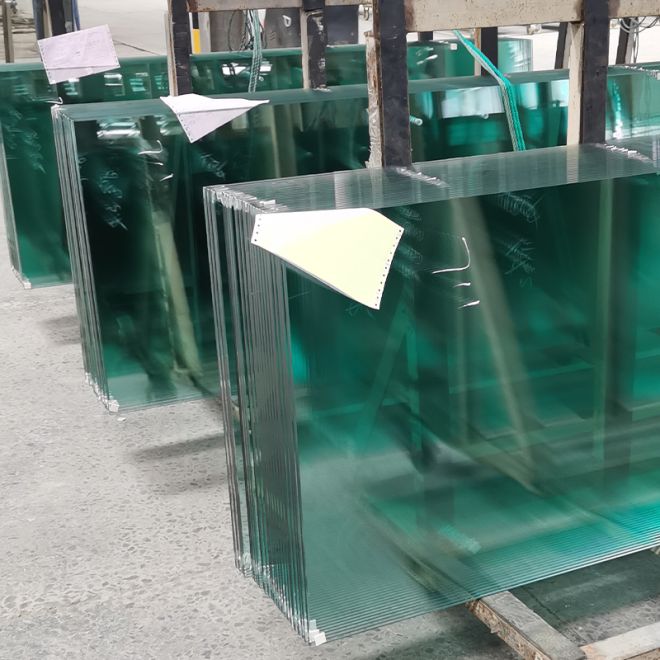
The Purpose of Glass Usage
● Windows and Doors: Optimal Thickness for Functionality
Glass has long been synonymous with windows and doors, serving not only as an entry point for light but also as a barrier against the elements. When choosing thick tempered glass for windows and doors, one must consider the balance between transparency and strength. The thickness ensures that the glass can withstand environmental pressures without compromising on visibility.
● Countertops: Thickness Requirements for Durability
In residential and commercial settings, glass countertops are an elegant option that offers a sleek, modern aesthetic. Thick tempered glass countertops are favored for their scratch resistance and ability to endure heavy usage without marring their smooth surfaces. The thickness is crucial to maintaining their integrity over time.
● Partitions and Parapets: Meeting Structural Needs
In contemporary architecture, glass partitions and parapets are used to divide spaces while maintaining an open and airy feel. Thick tempered glass is vital here, as it provides the structural support needed to safely divide areas without losing the aesthetic appeal of open spaces.
Size and Dimensions Impact on Thickness
● Importance of Thick Glass for Large Sheets
For large glass installations, such as curtain walls or expansive window panes, the thickness of the glass is a critical factor. The use of thick tempered glass is essential to prevent bending or flexing of the glass, which could result in distortion or failure.
● Preventing Bending and Cracking in Large Installations
Ensuring that glass installations are both safe and visually appealing requires careful consideration of dimensions and thickness. Thick tempered glass offers a robust solution that minimizes the risk of cracking or shattering, providing both security and longevity to large installations.
Load-Bearing Requirements
● Understanding Weight Capacity and Glass Strength
When glass is used in load-bearing applications, understanding the weight it can support is crucial. Thick tempered glass is designed to handle greater stress and weight, making it ideal for applications where structural integrity is paramount.
● Thicker Glass for Heavy-Duty Applications
In settings where glass must support significant weight or endure high impact, such as floors or facades in high-traffic areas, thick tempered glass is the material of choice. Its enhanced strength can safely bear loads while maintaining a sleek, modern look.
Safety Considerations in Glass Selection
● Prioritizing Safety Glazing in High-Traffic Areas
Safety is a primary concern in areas frequented by people, such as malls, airports, or corporate offices. Thick tempered glass is indispensable in these environments due to its ability to shatter into small, less harmful pieces if broken, reducing the risk of injury.
● Choosing Between Toughened or Laminated Glass
When selecting glass for safety, the choice between toughened (tempered) and laminated glass is important. While both offer high safety levels, thick tempered glass is often preferred for its superior impact resistance, especially in applications where transparency and strength are needed concurrently.
Environmental Influences on Glass Choice
● Adapting to Extreme Weather Conditions
In climates where weather extremes are common, the resilience of thick tempered glass to thermal stress and high winds is invaluable. The thickness of the glass helps maintain structural integrity even in the face of hurricanes or severe storms.
● Ensuring Glass Stability in Various Environments
Whether in coastal areas with high humidity or urban environments subject to pollution, thick tempered glass provides a stable and durable solution that withstands environmental challenges while maintaining its aesthetic appeal.
Aesthetic Impact of Glass Thickness
● Thicker Glass for a Robust Appearance
In interior design and architecture, the visual impact of materials is as crucial as their functionality. Thick tempered glass offers a substantial presence that conveys strength and luxury, making it a favored choice for designers aiming to create an impactful aesthetic.
● Balancing with Existing Decor and Design
Choosing the right thickness of glass involves considering how it will integrate with existing designs. Thick tempered glass can either complement or contrast with other materials to achieve a harmonious design theme or a bold statement piece.
Acoustic Characteristics Related to Thickness
● Superior Soundproofing with Thicker Glass
One of the lesser-known benefits of thick tempered glass is its acoustic properties. The increased thickness helps to dampen sound, making it an excellent choice for environments where noise reduction is desired, such as in office buildings or hotels.
● Double-Glazed Options for Enhanced Acoustic Performance
For projects requiring enhanced acoustic insulation, double-glazing with thick tempered glass can offer a substantial improvement. The additional layer of glass and air space between panes significantly reduces sound transmission.
Transparency and Visual Connection Decisions
● Thinner Glass for a Minimalist Aesthetic
While thick glass provides durability and strength, certain applications may benefit from thinner glass to achieve a minimalist aesthetic. In these cases, the challenge lies in maintaining safety and functionality while reducing thickness.
● Level of Transparency Desired for Interior Design
The choice of glass thickness can also affect its transparency and the level of privacy it provides. Designers must balance these factors to ensure the glass meets the functional and aesthetic needs of the space.
Consulting Professionals for Glass Selection
● Importance of Seeking Expert Advice for Tailored Solutions
Given the complexity and variety of applications for thick tempered glass, consulting with professionals such as architects, engineers, or glass specialists is advisable. They can provide insights and tailored solutions that align with the project's requirements and vision.
● Roles of Architects and Glass Suppliers in Decision-Making
Architects and glass suppliers play a pivotal role in the selection process, offering expertise in material properties, installation techniques, and project-specific considerations. Their collaboration ensures that the chosen glass meets performance and aesthetic goals.
Balancing Safety and Aesthetic in Glass Design
● Achieving a High Safety Factor with Thicker Glass
While aesthetics are important, safety cannot be compromised. Thick tempered glass excels in providing the necessary safety factors without sacrificing design elements, ensuring a secure and beautiful finished product.
● Coordinating Design Needs with Functional Requirements
Ultimately, the most successful glass installations are those that balance aesthetic desires with functional needs. By carefully selecting thick tempered glass, designers and architects can create spaces that are not only visually stunning but also safe and practical.
● Conclusion: The Importance of Wholesale Thick Tempered Glass
As the demand for resilient and aesthetically pleasing materials continues to rise, the role of wholesale thick tempered glass suppliers and manufacturers becomes increasingly significant. These entities ensure that quality materials are readily available for projects ranging from small-scale renovations to large architectural undertakings.
● Introducing BLUE-SKY
Since 2000, Hangzhou Blue-sky Safety Glass Co., Ltd. has been at the forefront of the glass processing industry in China. With a 75,000 sqm facility in Hangzhou and over 300 skilled employees, BLUE-SKY produces an array of glass products, including tempered, laminated, and insulated glass. Their state-of-the-art equipment ensures precision and quality, making them a preferred supplier for clients worldwide. BLUE-SKY's commitment to quality and customer service is evident in their extensive certifications and customizable offerings. Choose BLUE-SKY for reliable, high-quality thick tempered glass solutions.