

Introduction
Printed glass doors are a modern marvel that blend functionality with aesthetics. They are pivotal in various settings, from residential homes to corporate offices, adding a touch of elegance and maintaining privacy while allowing natural light to flow. Ensuring that these doors remain pristine is crucial not only for aesthetic reasons but also to maintain the integrity of their intricate designs. Wholesale printed glass door suppliers, manufacturers, and retail outlets acknowledge the significance of proper maintenance, which enhances the durability of these products. This guide aims to provide comprehensive insights into cleaning printed glass doors, ensuring they retain their allure and functionality.
Importance of Clean Printed Glass Doors
● Enhancing Aesthetics
Printed glass doors contribute significantly to interior and exterior décor. Cleanliness plays a vital role in sustaining their beauty. The clarity of the glass paired with vibrant prints can transform any space, making it more inviting and sophisticated. Therefore, regular cleaning is essential to maintain the pristine appearance of the artwork on the glass.
● Ensuring Clear Visibility
While printed glass doors are often used to provide privacy, they also allow for partial visibility. Dust and grime can obstruct this visibility, diminishing their functional benefits. Clean glass ensures unobstructed views, enhancing both security and the overall aesthetic of the setting.
● Maintaining the Integrity of Printed Designs
Printed designs on glass doors are crafted using sophisticated techniques. These designs require gentle care to prevent fading or damage. Cleaning with the right materials and methods helps maintain the vividness and sharpness of these artistic elements over time.
Gathering Essential Cleaning Materials
● Listing Necessary Items
Before embarking on a cleaning project, it is crucial to gather all necessary materials. These include microfiber cloths, mild detergents, a spray bottle, distilled water, a squeegee, and soft sponges.
● Importance of Each Material
Each material serves a specific purpose in the cleaning process. Microfiber cloths are ideal for wiping without scratching the surface. Mild detergents clean without leaving residue that could harm the print. Distilled water prevents mineral deposits, and a squeegee ensures a streak-free finish.
● Preparing Eco-friendly Alternatives
For those inclined toward sustainable practices, eco-friendly cleaning materials like vinegar and baking soda can be effective. These natural cleaners are gentle on the glass and the environment, ensuring safety for both the printed glass door and the user.
Preparing the Glass Surface for Cleaning
● Initial Wetting to Loosen Dirt
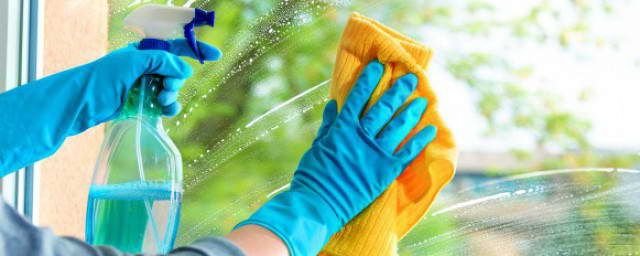
Begin by gently wetting the glass surface with a mixture of water and mild detergent using a spray bottle. This step helps to loosen dirt and grime, making it easier to wipe away without excessive scrubbing that might damage the print.
● Techniques for Effective Dust Removal
Dust can be abrasive if rubbed into the glass. Use a dry microfiber cloth to gently remove surface dust. For areas with more accumulated dirt, a soft-bristled brush can be used to dislodge particles without scratching the glass.
Choosing the Right Cleaner: Mild Detergents
● Advantages of Using Neutral Detergents
Neutral or mild detergents are essential for cleaning printed glass doors because they effectively break down dirt while being gentle on the glass and printed designs. They prevent the residue that can dull the finish of the glass and compromise the clarity of the prints.
● Risks Associated with Harsh Chemicals
Harsh chemicals and abrasives should be avoided as they can erode the printed designs and damage the surface of the glass. Over time, this can lead to fading or permanent etching on the glass.
Effective Cleaning Techniques with Microfiber Cloths
● Benefits Over Traditional Cleaning Materials
Microfiber cloths are highly effective at trapping dust and grime without scratching the glass surface. Unlike paper towels or conventional rags, microfiber cloths do not leave lint, ensuring a clear finish with every wipe.
● Steps to Prevent Scratches
When cleaning printed glass doors, apply gentle pressure. Use overlapping strokes to ensure complete coverage without excessive force that could cause scratches, especially on delicate printed areas.
Tackling Stubborn Stains on Glass Doors
● Identifying Tough Spots
Certain stains, like greasy fingerprints or mineral deposits, require extra attention. Before tackling these, identify the composition of the stain to choose the best removal method.
● Incremental Application of Pressure
For stubborn stains, apply a small amount of cleaner directly onto the spot and let it sit for a moment. Then, use a soft, damp microfiber cloth to gently rub the area in circular motions. Increase pressure incrementally until the stain lifts.
Rinsing and Residue Removal Techniques
● Importance of Thorough Rinsing
Residual cleaner can leave streaks or a dull film on the glass. After cleaning, thoroughly rinse the surface with distilled water to remove all detergent traces. This step helps maintain the shine and clarity of the glass.
● Tips for Ensuring No Residue Remains
Using a squeegee immediately after rinsing helps ensure no watermarks or residue dries on the glass. Start from the top of the door and work downward in vertical strokes, wiping the squeegee blade with a clean, dry cloth after each pass.
Drying the Glass: Best Practices
● Avoiding Water Marks
Proper drying is crucial to prevent water spots, which can diminish the appearance of the glass. After rinsing, a quick pass with a dry microfiber cloth over the surface ensures a spotless finish.
● Choosing Between Rags and Paper Towels
Although paper towels can be convenient, they often leave lint on the glass. Opt for a clean, dry microfiber cloth for drying, which is reusable, absorbs moisture effectively, and leaves no residue.
Optional Glass Cleaner Application
● When and Why to Use Glass Cleaner
For added shine or in cases where water alone doesn't suffice, a commercial glass cleaner can be used. Ensure the cleaner is ammonia-free to prevent damage to the printed designs.
● Ensuring a Streak-Free Finish
Apply a small amount of glass cleaner to a microfiber cloth, not directly onto the glass, and wipe in circular motions. Finish with vertical strokes using a squeegee to ensure a streak-free result.
Crucial Precautions During Cleaning
● Avoiding Acidic or Abrasive Agents
To maintain the longevity and visual appeal of printed glass doors, avoid using acidic or abrasive cleaning agents. These substances can lead to irreversible damage to both the print and glass surface.
● Protecting the Printed Pattern Integrity
Always use gentle cleaning techniques and materials to preserve the printed patterns. Maintaining the integrity of these designs ensures the doors remain a striking feature in any setting.
Introducing BLUE-SKY: Your Trusted Printed Glass Door Manufacturer
Since its establishment in 2000, Hangzhou Blue-sky Safety Glass Co., Ltd. has become a leader in the glass processing industry. Located near major ports in Hangzhou, Blue-Sky offers a wide range of products, including printed glass. With advanced processing equipment and a team of over 300 experienced employees, BLUE-SKY ensures high-quality, custom-built glass solutions at competitive prices. Their commitment to excellence is backed by multiple international certifications, making BLUE-SKY a preferred choice for customers worldwide, including those from the USA, Canada, and Europe.