Introduction: Evaluating Colored Tempered Glass and Regular Glass
Glass is an integral part of architectural design and construction, offering both functionality and aesthetic appeal. When it comes to choosing the right type of glass for your projects, understanding the differences between colored tempered glass and regular glass is essential. This article aims to provide a detailed analysis of both options, highlighting cost implications, features, and suitability for various applications.
Factors Influencing Glass Cost: Type and Features
Cost Variability by Type
The cost of glass can vary significantly based on its type. Colored tempered glass typically ranges from $10 to $50 per square foot, depending on features such as thickness and color intensity. In contrast, regular glass usually costs between $5 and $35 per square foot. This difference is primarily due to the enhanced properties and additional processing involved in manufacturing colored tempered glass.
Thickness and Dimensions
Thickness plays a crucial role in determining glass prices. For standard applications, glass thickness typically ranges from 3mm to 12mm. Colored tempered glass often demands higher prices for similar thicknesses due to its specialized production process. Additionally, larger dimensions further increase costs due to the complexity of handling and transportation.
Construction and Architectural Applications
Application in Modern Architecture
Colored tempered glass is prevalent in modern architecture for its unique aesthetic appeal and strength. It is widely used for facades, atriums, and feature walls. The vibrant colors enhance the visual appeal of buildings, making them stand out. Regular glass, while commonly used, often lacks the visual impact required for such high-profile applications.
Structural Integrity Considerations
Tempered glass is renowned for its safety and strength, being several times stronger than regular glass. This makes it particularly suitable for structures where safety is paramount, such as skyscrapers and bridges. Regular glass, although versatile, may not provide the same level of structural assurance.
Safety and Strength: Tempered Glass Advantages
Impact Resistance
Tempered glass undergoes a heating and rapid cooling process that increases its compressive strength. This makes it suitable for environments where impact resistance is a must, such as in areas prone to hurricanes or heavy wind loads. Regular glass lacks this enhanced strength, making it more susceptible to breakage.
Shatterproof Qualities
When broken, tempered glass crumbles into small, blunt pieces instead of sharp shards. This quality reduces the risk of injury, making it a preferred choice in environments frequented by children and elderly individuals. Regular glass, on the other hand, shatters into sharp pieces, posing a significant safety hazard.
Customization and Aesthetic Appeal
Variety in Design
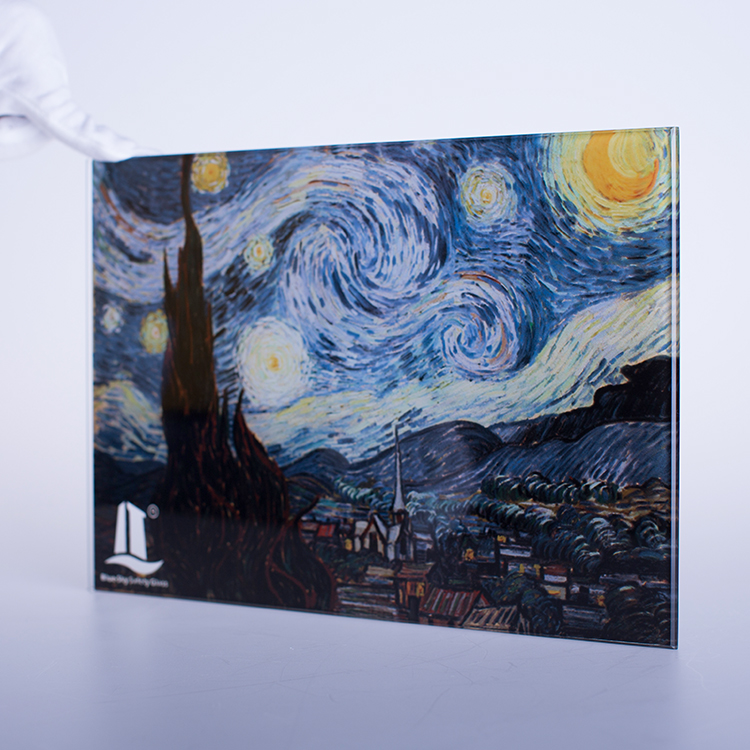
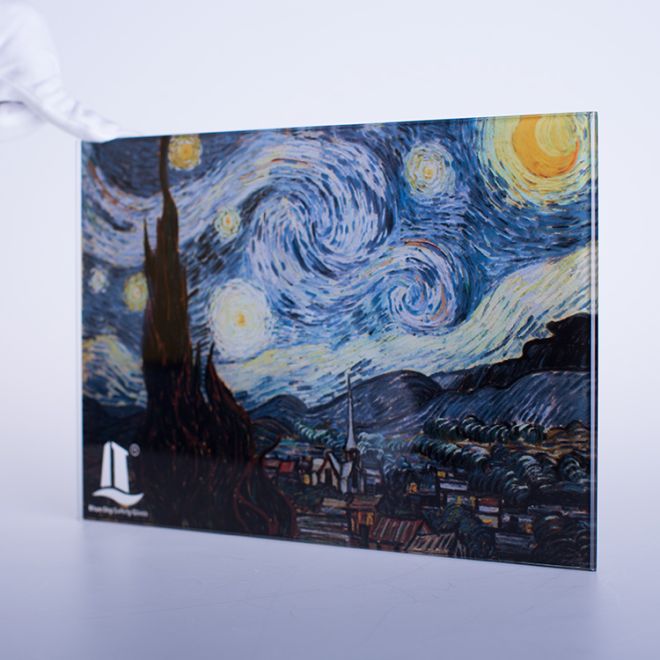
Colored tempered glass offers a wide range of customization options. Manufacturers and suppliers provide various shades and finishes, allowing architects and designers to create unique and visually stunning projects. Regular glass offers fewer customization options, as colorings or tints are additional processes that increase costs and complexity.
Applications in Interior Design
The aesthetic versatility of colored tempered glass makes it ideal for interior design applications. It adds a touch of elegance and modernity to spaces such as offices, shopping malls, and luxury residences. Regular glass, while still used extensively, may require additional treatments to achieve similar aesthetic outcomes.
Thermal and Chemical Properties
Thermal Resistance
The thermal stability of tempered glass is superior to that of regular glass. With its ability to withstand temperature variations of up to 250°C without breaking, it is ideal for applications such as oven doors and fireplace screens. Regular glass, by comparison, is more susceptible to thermal stress and may crack under extreme temperature changes.
Chemical Durability
Tempered glass exhibits higher chemical resistance compared to regular glass, making it suitable for environments with potential chemical exposure, such as laboratories and manufacturing facilities. Regular glass may degrade or react unfavorably when exposed to harsh chemicals.
Optical and Light Transmission Qualities
Clarity and Light Diffusion
Both colored tempered glass and regular glass offer excellent light transmission. However, the colored variants may alter the perceived color of transmitted light, adding decorative effects to the interior spaces. Regular glass maintains neutrality in light transmission, which may be preferred in certain applications.
Impact on Privacy
Colored tempered glass can enhance privacy through color saturation and reflectivity. These features are especially beneficial in commercial settings where controlled visibility is necessary. Regular glass may require additional treatments like frosting or tinting to achieve similar privacy levels.
Maintenance and Durability Considerations
Longevity and Wear
Tempered glass, including colored variants, is known for its durability and long lifespan, often exceeding that of regular glass in similar conditions. The toughened surface resists scratches and abrasions, whereas regular glass may require frequent replacement or repair.
Cleaning and Upkeep
The non-porous surface of colored tempered glass makes it easy to clean and maintain. Regular glass, while also straightforward to maintain, may show wear more quickly, necessitating careful handling to preserve its appearance.
Cost-Effectiveness for Various Industries
Wholesale Benefits for Manufacturers
For manufacturers and suppliers, colored tempered glass offers attractive wholesale margins due to its higher value and demand in premium markets. Industries such as automotive, construction, and interior design benefit from bulk purchases, driving down costs per unit compared to regular glass.
Long-Term Investment
The initial higher cost of colored tempered glass is offset by its longevity and reduced risk of breakage, making it a sound long-term investment. Regular glass, while cheaper upfront, may incur additional costs due to repairs and replacements over time.
Conclusion: Making an Informed Glass Choice
Choosing between colored tempered glass and regular glass involves weighing factors such as safety, cost, aesthetic appeal, and application requirements. Colored tempered glass offers numerous advantages in terms of strength, customization, and durability, albeit at a higher cost. Regular glass, while more affordable, may require additional treatments or replacements over time to meet specific needs.
BLUE-SKY Provide Solutions
BLUE-SKY offers comprehensive solutions tailored to your glass needs. As a leading supplier, we provide a diverse range of colored tempered and regular glass products, catering to wholesale and retail markets. Our expert team advises on the best options to suit your project requirements, ensuring a balance between quality, cost, and application. Whether you seek customized designs or bulk purchases, BLUE-SKY ensures you receive the best value and service.
User hot search: coloured tempered glass