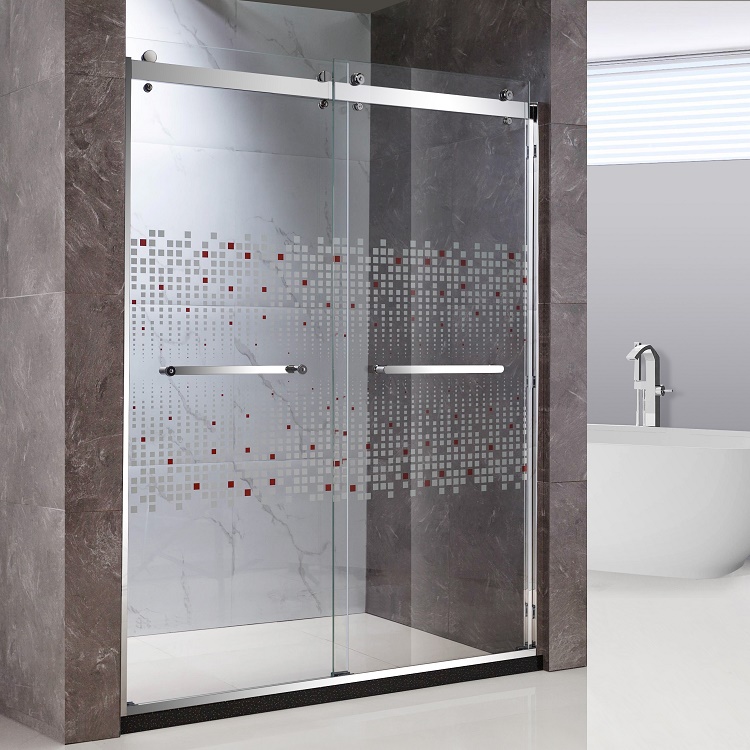
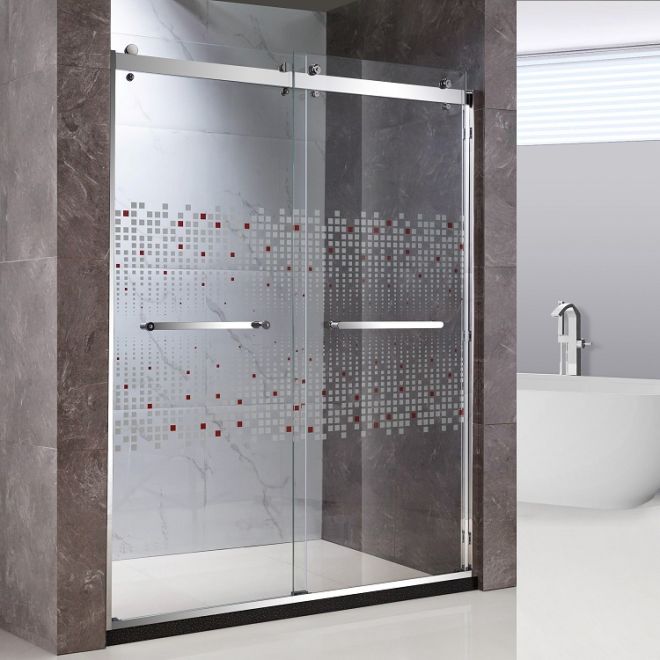
Introduction
In the realm of architectural design and construction, toughened glass has emerged as a pivotal material, widely favored for its strength, durability, and aesthetic appeal. Its unique properties have significantly influenced the development of modern building trends, particularly in the domain of glass partition interiors. This article delves into the multifaceted aspects of toughened glass, exploring its manufacturing processes, structural benefits, safety features, and relevance in the interior design market, especially in applications like wholesale glass partition interiors. Furthermore, the role of manufacturers and suppliers in this industry will be highlighted, with a special focus on leading entities like BLUE-SKY.
Manufacturing Process of Toughened Glass
● Heating and Cooling Procedures
The manufacturing process of toughened glass involves specific thermal treatments aimed at enhancing its strength and durability. The glass is initially heated to a high temperature, typically around 650°C, and then rapidly cooled through a process known as quenching. This procedure induces compressive stresses on the surface while the core remains in tension, a characteristic that distinguishes toughened glass from its counterparts.
● Differences from Other Glass Types
Unlike annealed glass, which undergoes a slower cooling process, toughened glass is designed to withstand significant stress and impact. Its unique production process results in a material that is several times stronger than standard glass, capable of withstanding environmental wear and tear, making it an ideal choice for glass partition interiors.
Strength and Durability of Toughened Glass
● Comparison with Annealed Glass
Toughened glass exhibits superior strength compared to annealed glass. This heightened durability is attributable to its ability to bear substantial weight and resist thermal stress, qualities that are crucial in both residential and commercial applications. These characteristics also make it a popular choice for wholesale glass partition interiors, providing a robust solution for high-traffic areas.
● Impact Resistance and Longevity
In addition to strength, the impact resistance of toughened glass is a notable advantage. Its ability to withstand considerable force without shattering ensures longevity and reliability, especially in environments where safety is paramount. This makes it an ideal material for use in glass partition interior manufacturing, offering both aesthetic and functional benefits.
Safety Features of Toughened Glass
● Breakage Pattern and Risk Reduction
One of the primary safety features of toughened glass is its unique breakage pattern. Unlike standard glass that shatters into sharp shards, toughened glass fragments into small, blunt pieces, reducing the risk of injury. This safety aspect is particularly advantageous in glass partition interiors, where human interaction is frequent.
● Role in Enhancing Safety in Buildings
The inclusion of toughened glass in building designs significantly enhances safety. Its resilience to impact and controlled breakage pattern make it suitable for various applications such as doors, windows, and particularly interior partitions, where occupant safety is a top priority.
Types of Glass Used in Partition Walls
● Comparison of Laminated, Toughened, and Double Glazing
In the construction of glass partitions, several glass types are available, each offering unique benefits. Laminated glass provides additional security due to its layered structure, while double glazing offers superior thermal insulation. However, toughened glass stands out for its balance of strength, safety, and cost-effectiveness, particularly in wholesale glass partition interiors.
● Selection Criteria for Different Environments
Selecting the appropriate glass type for partition walls depends on factors such as environmental conditions, security needs, and aesthetic preferences. Toughened glass is often favored for its versatility and ability to meet rigorous safety and design criteria, making it a preferred choice for glass partition interior suppliers.
Applications of Toughened Glass in Architecture
● Use in Partitions and Facades
Toughened glass is extensively used in building facades and interiors, particularly for partitions where transparency and openness are desired. Its ability to provide an unobstructed view while maintaining insulation and security makes it indispensable in modern architecture.
● Benefits in Modern Building Design
The use of toughened glass in building designs results in sleek, modern aesthetics and improved functionality. Its application in glass partition interiors aids in creating open, light-filled spaces that enhance the overall ambience of any architectural project.
Toughened Glass in High-Security Environments
● Features Suitable for Security-Focused Architecture
In environments where security is paramount, such as banks and airports, toughened glass is an essential material. Its high strength and resistance to breakage under force make it ideal for these settings, ensuring both safety and security without compromising on design.
● Examples of Usage in Banks and Airports
Toughened glass is often used in security screens, check-in counters, and partition walls in airports and banking institutions. These applications showcase its ability to provide security, maintain privacy, and offer transparency where needed.
Innovations in Toughened Glass Technology
● Recent Advancements in Manufacturing
Recent technological advancements have further enhanced the properties of toughened glass, leading to innovations in manufacturing processes that improve quality and reduce production costs. These developments are significant for manufacturers and suppliers of glass partition interiors, allowing them to deliver improved products to the market.
● Future Trends in Architectural Applications
The future of toughened glass in architecture is promising, with trends pointing towards increased use in smart building designs and sustainable construction practices. As the demand for eco-friendly and energy-efficient materials grows, toughened glass is poised to play a pivotal role.
Environmental Impact of Toughened Glass Production
● Sustainability in the Glass Industry
Sustainability is a growing concern in the glass industry, and steps are being taken to minimize the environmental impact of production. Initiatives include using recycled materials and optimizing energy consumption during manufacturing, making toughened glass a more sustainable choice.
● Recycling and End-of-Life Considerations
Recycling toughened glass can be challenging due to its treated nature, but advancements in recycling technologies are making it increasingly feasible. End-of-life considerations are crucial for manufacturers and suppliers, influencing the design and production processes of glass partition interiors.
Conclusion: The Future of Toughened Glass
● Summarizing its Benefits and Applications
The versatility and resilience of toughened glass make it an invaluable material in modern architecture. Its application in glass partition interiors enhances safety, functionality, and aesthetic appeal, solidifying its role in the construction industry.
● Anticipated Developments and Market Growth
As technology advances and sustainability becomes more integral to building practices, the demand for toughened glass, particularly in glass partition interiors, is expected to grow. Manufacturers and suppliers will continue to innovate, driven by the need for high-performance, environmentally-friendly solutions.
About BLUE-SKY
Since 2000, Hangzhou Blue-sky Safety Glass Co., Ltd. has established itself as a leading glass manufacturer, with a 75,000 sqm factory located near Ningbo and Shanghai ports. Specializing in tempered, laminated, and insulated glass among others, BLUE-SKY is renowned for its advanced technology and skilled workforce. The company prides itself on exceptional service, offering custom-built glass solutions to clients worldwide. With global exports and certifications like CCC and ISO, BLUE-SKY remains a trusted supplier in the glass processing industry.