Introduction
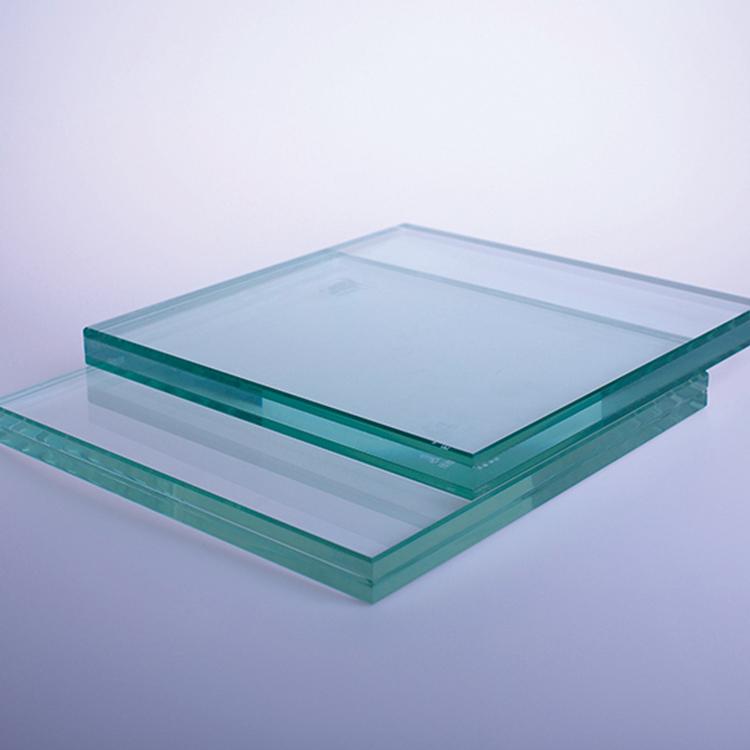
The realms of architecture, automotive, and interior design have seen revolutionary transformations brought about by the advent of toughened safety glass. This specialized glass, known interchangeably as tempered glass, combines strength with safety, offering an ideal solution for various applications. Understanding its unique qualities and manufacturing process can shed light on why it dominates these industries and continues to be a preferred choice for builders and architects.
The Manufacturing Process of Toughened Glass
The creation of toughened safety glass involves a meticulous process of heating and rapid cooling. This process induces a state of internal stress in the glass, enhancing its strength significantly compared to ordinary glass. At its core, the glass is heated to over 600 degrees Celsius and then rapidly cooled. This technique alters its molecular structure, rendering it four to five times stronger than regular glass.
● Heating and Rapid Cooling Methodology
The transformative journey begins with the heating phase, where the glass is subjected to extreme temperatures. Once the desired threshold is achieved, it undergoes a rapid cooling process through jets of cold air. This sudden temperature drop creates a balance of tensile stress at the center and compressive stress at its surfaces. The resulting tension significantly strengthens the glass, making it resilient to physical impacts.
● Creating Internal Stress for Enhanced Strength
The induced internal stress plays a pivotal role in the enhanced strength of toughened safety glass. Unlike ordinary glass, which shatters into sharp, hazardous shards, toughened glass breaks into small, blunt pieces. This property not only amplifies its strength but also its safety, qualifying it as an indispensable material in both residential and commercial spaces.
Comparative Strength of Glass Types
When comparing the strength of toughened safety glass with regular glass, the superiority of the former becomes evident. Toughened glass can withstand stresses and impacts that would typically shatter standard glass. This increased durability is attributed to the internal stresses introduced during the manufacturing process.
● Factors Contributing to Increased Durability
Several factors contribute to the enhanced durability of toughened safety glass. Its ability to endure higher thermal stresses and mechanical impacts makes it an ideal choice for environments where safety and resilience are paramount. Whether it's used in skyscraper windows or as a partition in a bustling office, its robustness speaks volumes.
Safety Features of Toughened Glass
Safety is a hallmark of toughened safety glass. One of its defining characteristics is its shattering pattern. Unlike conventional glass, which can pose significant injury risks with its sharp shards, toughened glass fractures into small, blunt pieces. This feature substantially reduces the risk of injury, making it a preferred choice in locations prone to accidents.
● Shattering Into Blunt Pieces
The controlled manner in which toughened safety glass breaks is a result of the internal stresses developed during its production. This quality ensures that even if the glass faces excessive force, it fragments safely, minimizing harm to individuals nearby. This attribute garners favor in environments housing families, children, and high-traffic areas.
Common Applications of Toughened Glass
Toughened safety glass finds its application in various sectors, including architecture, automotive, and interior design. Its versatility and superior attributes have made it an indispensable component in modern constructions and design.
● Use in Architecture and Automobiles
In architecture, toughened glass is prevalent in building facades, windows, and doors. Its strength and aesthetic appeal make it an excellent choice for contemporary designs. Similarly, the automotive industry relies heavily on this glass for windshields and windows, ensuring both safety and durability on the road.
● Popularity in Home and Commercial Settings
Beyond the structural applications, toughened safety glass is favored in home interiors and commercial settings. From shower enclosures to partition walls and balustrades, its transparent elegance and safety are unmatched. The assurance of safety and robustness aligns with the evolving demands of both residential and commercial spaces.
Regional Terminology Differences
The terminology surrounding toughened safety glass varies worldwide. In some regions, it's known as toughened glass, while in others, it's referred to as tempered glass. These differences in nomenclature often stem from regional preferences and historical industry practices.
● "Toughened" vs. "Tempered" Across Regions
In the UK, the term "toughened glass" is commonly used, whereas "tempered glass" finds prevalence globally, especially in the United States. Despite the terminology differences, both terms describe the same product, reflecting its universal appeal and application.
● Usage Prevalence in the UK and Globally
The interchangeable usage of these terms underscores the widespread acceptance and importance of this glass type. Its universal application across regions and industries is a testament to its unmatched qualities and performance.
Identifying Tempered Glass
Recognizing tempered glass is essential for ensuring authenticity and safety. With increasing demand and usage, being able to identify this glass accurately is crucial for consumers and industry professionals alike.
● Presence of Manufacturer's Stamp
One of the most reliable ways to identify tempered glass is through the manufacturer's stamp, usually located in a corner of the glass pane. This stamp provides information about the manufacturer and compliance with safety standards, ensuring that the product is genuine and meets requisite safety criteria.
● Inspection and Verification Methods
In addition to the manufacturer's stamp, other verification methods include specific inspections and certifications that guarantee the glass's authenticity and compliance with global safety standards. A thorough understanding of these methods ensures confidence in the glass's quality and performance.
Benefits and Limitations in Usage
Toughened safety glass offers numerous advantages, though it also presents some limitations. Understanding these can help in making informed decisions regarding its application.
● Advantages in Strength and Safety
The primary benefits of toughened glass stem from its strength, safety, and aesthetic versatility. Its ability to withstand impacts, resist thermal stress, and ensure safety in breakage make it an ideal choice for diverse applications. Furthermore, its clarity and aesthetic value enhance the visual appeal of spaces, adding to its allure.
● Considerations and Constraints
However, there are considerations to keep in mind. Once cut or edged, toughened glass cannot be further modified, necessitating precision in its initial specifications. Additionally, while the glass is robust, it is not immune to damage from certain types of force, such as sharp point impacts.
Technological Advances in Glass Tempering
As technology evolves, so does the process and application of toughened glass. Innovations in manufacturing techniques continue to expand its capabilities and potential uses.
● Innovations in Manufacturing Processes
Advancements in manufacturing have introduced more efficient and precise tempering processes, reducing environmental impact and enhancing glass quality. These innovations also open doors to new applications, pushing the boundaries of what this versatile material can achieve.
● Future Trends in Glass Technology
The future of glass technology is promising, with ongoing research focused on increasing energy efficiency, sustainability, and integrating smart technologies. These advancements will likely broaden the scope of toughened safety glass applications further, making it an even more integral part of modern design and construction.
Environmental and Economic Impacts
The production and usage of toughened safety glass carry both environmental and economic implications. As industries strive for sustainability, understanding these impacts becomes crucial.
● Sustainability in Glass Production
Efforts toward sustainable glass production involve minimizing energy consumption and emissions during the manufacturing process. This aligns with global movements toward environmentally friendly production practices, ensuring that toughened glass contributes positively to sustainability goals.
● Cost Implications and Market Demand
Economically, the demand for toughened safety glass continues to rise, influenced by its widespread applications and safety benefits. While the production costs can be higher than regular glass, the long-term benefits in durability and safety often justify this expense, making it a cost-effective choice for many projects.
Conclusion
Toughened safety glass stands as a testament to innovation in materials engineering, offering unmatched strength, safety, and versatility. Its applications across various industries underscore its importance and the value it adds to both safety and aesthetics.
● Introducing BLUE-SKY
Since its establishment in 2000, Hangzhou Blue-sky Safety Glass Co., Ltd. has become a renowned name in the global glass processing industry. With a sprawling factory in Hangzhou city, close to Ningbo and Shanghai ports, BLUE-SKY specializes in advanced glass products like tempered, laminated, and insulated glass. Leveraging cutting-edge technology, a skilled workforce, and competitive pricing, BLUE-SKY delivers high-quality products and excellent service worldwide, meeting diverse customer specifications and earning certifications like CCC, ISO, and CE.