

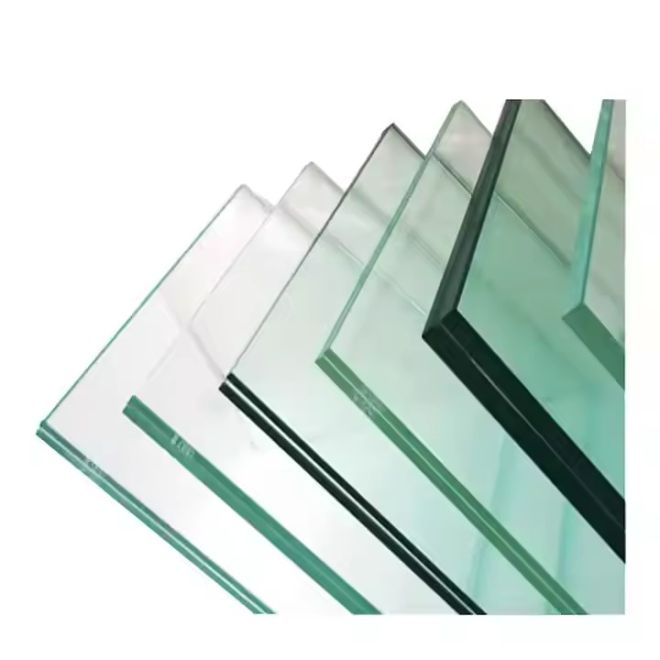
The modern homeowner is increasingly conscious of energy efficiency and environmental impact, leading to a surge in demand for enhanced glazing solutions. One such innovation is 44mm triple glazing, which promises superior insulation and energy efficiency. This article delves into various aspects of 44mm triple glazing, including its benefits, comparisons with other types of glazing, and considerations for investment.
Introduction to Triple Glazing: Unpacking the Basics
● Definition and Structure of Triple Glazing
Triple glazing refers to a window construction that comprises three panes of glass as opposed to the one or two used in single or double glazing. The panes are separated by spacers and filled with an insulative gas such as argon, krypton, or xenon, which significantly reduces heat loss. The thickness, particularly the 44mm triple glazing, provides a stronger barrier against external temperature variations, making it an attractive choice for energy-conscious homeowners.
● Differences from Single and Double Glazing
The principal difference between triple glazing and its predecessors lies in the number of glass panes and the overall thickness. While single glazing consists of one pane and double glazing comprises two panes, 44mm triple glazing uses three, making it thicker and more efficient. The additional pane and thickness enhance its insulative properties, reducing the U-value and improving energy retention within the home.
Benefits of Triple Glazing in Modern Homes
● Energy Efficiency and Lower U-Values
One of the standout benefits of 44mm triple glazing is its ability to deliver lower U-values compared to double glazing. U-value is a measure of heat transfer through a window; the lower the U-value, the better the insulation. With a typical U-value of around 0.8 W/m²K, triple glazing significantly minimizes heat loss, ensuring energy efficiency and reducing carbon footprints.
● Impact on Energy Bills and Home Comfort
Beyond its environmental benefits, 44mm triple glazing has a tangible impact on household energy bills. By reducing the need for artificial heating and cooling, homeowners can expect lower energy consumption and expenses. Additionally, triple glazing enhances indoor comfort by maintaining consistent indoor temperatures and reducing external noise penetration.
Comparing Triple and Double Glazing Efficiency
● Factors Affecting Energy Efficiency
The efficiency of glazing is determined by several factors, including the type of gas used between the panes, the presence of low-emissivity coatings, and the materials used for spacer bars. With 44mm triple glazing, these factors are optimized to provide superior insulation compared to other glazing types. The choice of materials and design specifications plays a crucial role in maximizing the glazing's performance.
● Differences in U-Value Measurements
While double glazing offers considerable insulation, it typically has a U-value of about 1.1 to 1.5 W/m²K. In contrast, 44mm triple glazing can achieve values as low as 0.8 W/m²K, offering enhanced thermal performance. This distinction makes triple glazing a compelling choice for homeowners seeking maximum energy efficiency and comfort.
Optimizing Triple Glazing Performance
● Recommended Specifications for Triple Glazing
To harness the full benefits of 44mm triple glazing, certain specifications should be prioritized. These include a high-quality low-e coating which reflects heat back into the room, and the use of argon or krypton gas, which is denser than air, thus providing superior insulation. Additionally, spacers with low conductivity should be used to minimize heat loss at the edges of the window.
● Importance of Low-E Coatings and Gas Fillings
Low-emissivity (low-e) coatings are essential in optimizing the performance of 44mm triple glazing. They reduce the amount of infrared and ultraviolet light that enters through the glass, protecting interiors from sun damage and further enhancing energy efficiency. Gas fillings like argon or krypton add another layer of insulation by providing a denser medium than air between glass panes, thereby inhibiting heat transfer.
The Role of Window Frames in Glazing Efficiency
● Impact of Frame Materials on U-Values
The material of the window frame plays a significant role in the overall efficiency of the glazing unit. Timber, aluminum, and UPVC are common frame materials, each affecting the window’s U-value differently. Timber provides excellent insulation but requires maintenance, while aluminum offers durability with less thermal efficiency. UPVC frames are popular for their good insulating properties and low maintenance requirements, making them an ideal match for 44mm triple glazing.
● Comparing Timber, Aluminum, and UPVC Frames
When choosing frames for 44mm triple glazing, homeowners should consider the insulative properties, durability, and maintenance needs of each material. Timber frames have a natural aesthetic and insulate well but may require regular treatment. Aluminum frames are strong and durable, yet less insulative unless a thermal break is included. UPVC frames offer a good balance of insulation and maintenance ease, often being the preferred choice for residential applications.
Alternative Options to Triple Glazing
● Alternatives Such as Improved Double Glazing
While 44mm triple glazing offers exceptional efficiency, it may not always be the most feasible option. Enhanced double glazing, with improved specifications like advanced coatings or high-performance gas fillings, can offer a cost-effective alternative. These enhancements can achieve a lower U-value closer to that of triple glazing, making them suitable for certain climates and budget constraints.
● Other Methods to Enhance Window Energy Efficiency
In addition to upgrading glazing, homeowners can explore other methods to enhance window performance. Adding window films, using heavy curtains, or installing external shading devices can augment the insulating properties of windows, even if they are not triple glazed. Weather stripping and improved sealing can also prevent drafts, thus increasing energy efficiency.
Evaluating the Worth of Triple Glazing Investments
● Cost-Benefit Analysis for New Constructions
When considering 44mm triple glazing, a thorough cost-benefit analysis is essential. The initial investment in triple glazing is higher than double glazing, but the long-term savings on energy bills can offset this cost over time. New constructions especially benefit from triple glazing as it contributes to higher insulation standards and can increase the property's value.
● Factors Influencing the Decision to Opt for Triple Glazing
Several factors influence the decision to invest in triple glazing. These include the local climate, the orientation of the building, and the homeowner’s long-term sustainability goals. For properties in colder climates or those looking to maximize energy savings, triple glazing is often the preferred choice. Additionally, incentives and regulations promoting energy efficiency can make the investment more attractive.
Choosing the Right Supplier for Triple Glazing
● Importance of Purchasing from Reputable Companies
Selecting a reliable supplier is crucial to ensure the quality and performance of 44mm triple glazing. Reputable companies offer certified products that meet stringent energy efficiency standards and provide warranties for peace of mind. Customers should look for suppliers who have a proven track record in delivering high-quality glazing solutions.
● Ensuring Product Specifications and Quality
When sourcing triple glazing, it’s vital to verify the product specifications to ensure they meet the desired performance standards. Key considerations include the type of glass, the quality of coatings, the type of gas used, and the overall construction quality. Working with a reliable supplier ensures these elements meet industry standards, guaranteeing superior performance.
Potential Drawbacks of Triple Glazing
● Situations Where Triple Glazing May Not Be Advantageous
Despite its numerous benefits, 44mm triple glazing may not be appropriate for every situation. The higher cost can be a barrier for some homeowners, and in milder climates, the additional insulation might not justify the expense. Additionally, the weight of triple glazing requires robust frames and may not be suitable for all window types.
● Considerations of Cost and Efficiency in Various Climates
The efficiency of 44mm triple glazing is most noticeable in extreme climates where heating or cooling demands are high. In temperate regions, the gains in efficiency might not be as pronounced, and enhanced double glazing or other methods may suffice. It is important to assess the specific climate and building requirements before opting for triple glazing.
Future Trends in Window Glazing Technology
● Innovations Beyond Triple Glazing
The glazing industry continues to evolve with innovations promising even greater efficiency. Quadruple glazing, smart glass technologies, and advanced glazing coatings are on the horizon, offering possibilities beyond current triple glazing capabilities. These developments emphasize energy efficiency, light control, and adaptability to changing environmental conditions.
● Emerging Materials and Techniques in Window Design
New materials and design techniques are being researched to improve glazing performance further. These include vacuum glazing, which offers high insulation with thin profiles, and photochromic or electrochromic glass, which can adjust tint based on light conditions. These innovations are set to revolutionize how we think about and use windows in both residential and commercial applications.
Conclusion: Looking Ahead with Confidence
44mm triple glazing is undoubtedly a powerful tool in the arsenal of modern energy-efficient homes. Its superior insulative properties provide significant benefits, making it a worthwhile consideration for new constructions or retrofitting existing properties. However, careful evaluation of cost, climate, and building specifications is necessary to ensure optimal returns on investment.
● About BLUE-SKY
Since 2000, Hangzhou Blue-sky Safety Glass Co., Ltd. has been a leader in glass processing with a vast 75,000 sqm facility in Hangzhou city, near Ningbo and Shanghai ports. BLUE-SKY specializes in premium glass products, including tempered and laminated glass, supported by over 300 skilled employees and cutting-edge glass-processing technology. Renowned globally, BLUE-SKY ensures quality, competitive pricing, and timely delivery, making it a trusted supplier worldwide.