Introduction to Glass Types and Uses
Glass has carved a niche for itself in both functional and aesthetic domains. Among various types, etched and frosted glass are distinguished by their unique characteristics and versatility in design applications. Designed to provide elegance while maintaining functional integrity, these glass types are integral in modern architecture and interior design. This article delves into the essential aspects of etched and frosted glass, their manufacturing processes, applications, and the growing trend of integrating frosted glass print into bespoke projects.
Appearance and Visual Differences
● Translucency in Etched vs. Frosted Glass
Etched glass and frosted glass both serve the purpose of diffusing light while providing privacy. Etched glass is achieved through mechanical or chemical processes that remove portions of the glass surface, creating a design pattern or texture. This process results in a semi-transparent quality that maintains the transmission of light while obscuring shapes. Frosted glass, typically created by sandblasting or acid etching the entire surface, offers a uniform opaque finish, thus ensuring privacy and an even light diffusion across the glass panel.
● How Light Interacts with Each Type
The interaction of light with etched and frosted glass is different due to their surface properties. Etched glass allows for selective transparency, where only specific areas are frosted, making it possible to create intricate designs that play with light and shadow. Conversely, frosted glass provides a consistent diffusive effect, scattering light in such a way that it softens and diffuses the light source, which is ideal for ambient lighting purposes.
Design Flexibility and Customization
● Custom Patterns in Etched Glass
Etched glass is renowned for its flexibility in design. This versatility allows for customized patterns, logos, and imagery, making it a popular choice for businesses looking to incorporate branding elements into their architectural designs. The ability to etch intricate patterns means that etched glass is often used in applications where aesthetic appeal is a priority, such as in lobby areas, boardrooms, and residential spaces.
● Limitations and Possibilities of Frosted Glass
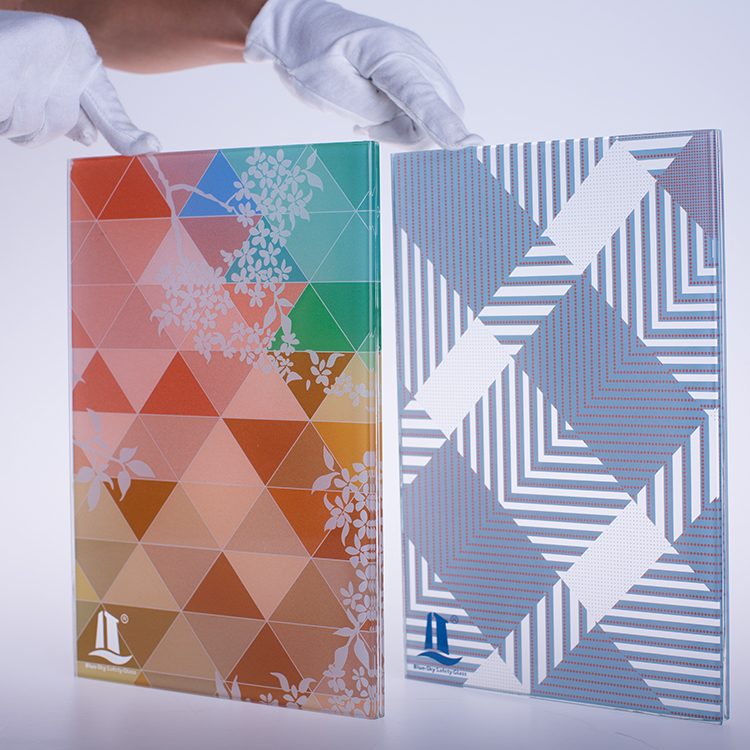
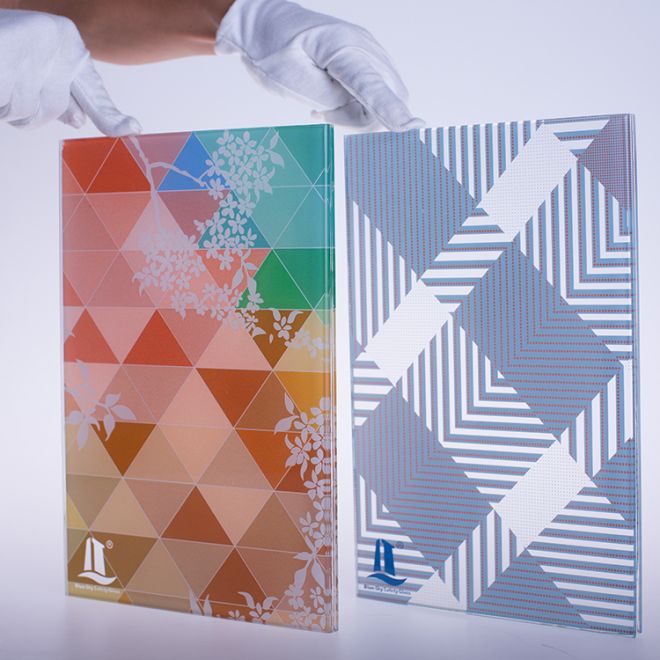
While frosted glass may not offer the same level of design complexity as etched glass, it compensates with its elegant simplicity and ability to provide uniform privacy. Frosted glass is available in various shades and opacities, which can complement a wide range of interior design styles. Adding colored finishes or integrating print designs further enhances its visual appeal, making it a preferred choice for bathroom enclosures, office partitions, and even creative partitions in open-plan living spaces.
Manufacturing Techniques and Processes
● Sandblasting and Acid Etching Methods
The creation of etched glass involves either sandblasting or acid etching. Sandblasting uses high-pressure air to propel sand onto the glass surface, creating a frosted appearance. Acid etching involves applying a corrosive acid to remove portions of the glass. Both methods allow detailed and precise patterns to be created. The choice of method depends on the desired final effect, with sandblasting offering more texture and depth, while acid etching provides a smoother finish.
● How Frosted Glass is Produced
Frosted glass is commonly produced by uniform sandblasting or chemical etching. Sandblasting covers the entire glass surface, creating a consistent frosted effect. Alternatively, acid etching is employed to achieve a smoother, more refined appearance. These processes result in glass panels that are uniformly translucent. Frosted glass print manufacturers may also apply a vinyl film for different design effects, making it an adaptable option for various uses.
Privacy Applications in Interior Spaces
● Use of Etched Glass for Privacy
Etched glass offers a balance between privacy and aesthetic appeal, making it ideal for spaces that require both. In office settings, etched glass partitions or doors can provide visual separation without sacrificing openness. The ability to etch specific designs or logos adds personal or corporate identity to the space. In residential settings, etched glass is used in entryways, bathrooms, and partitions to ensure privacy while allowing natural light penetration.
● Frosted Glass in Bathrooms and Offices
Frosted glass is particularly valued in environments where privacy is paramount. It finds extensive use in bathrooms for shower enclosures, windows, and doors, offering the advantage of light while obscuring sight lines. In commercial spaces, frosted glass print suppliers provide customized products for office partitions, creating private workspaces without isolating employees visually or acoustically from the larger office environment.
Durability and Maintenance Considerations
● Resistance of Etched Glass to Marks
Etched glass is durable and resistant to scratches and marks due to its textured surface. Its ability to withstand environmental factors makes it suitable for both indoor and outdoor applications. Regular maintenance involves simple cleaning with non-abrasive materials to maintain its appearance, ensuring its longevity and continued aesthetic appeal.
● Cleaning and Upkeep of Frosted Surfaces
The uniform texture of frosted glass makes it relatively easy to clean and maintain. It does not show fingerprints or smudges as readily as clear glass surfaces. For frosted glass print, regular wiping with a soft, damp cloth is sufficient to keep the surface clean. Wholesale frosted glass print suppliers often provide maintenance guidelines to ensure the longevity of their products.
Cost Considerations and Availability
● Price Differences and Factors
The cost of etched and frosted glass varies based on several factors, including the complexity of design, size, and installation requirements. Etched glass can be more costly due to customization and the intricacy of designs. On the other hand, frosted glass tends to be more affordable, especially when purchased from a wholesale frosted glass print supplier, making it accessible for large-scale projects.
● Accessibility and Availability in Markets
Both etched and frosted glass are widely available from manufacturers and suppliers around the world. The growing demand for these materials in architecture and design has led to increased accessibility. Frosted glass print manufacturers offer a range of products to suit different needs, including custom sizes and designs, making them a versatile option for designers and architects.
Environmental and Safety Aspects
● Eco-friendly Aspects of Glass Production
Glass production is increasingly focusing on sustainability. Manufacturers are adopting eco-friendly practices, such as using recycled glass and implementing energy-efficient production processes. Both etched and frosted glass can be part of sustainable building practices due to their long-lasting nature and the minimal requirement for replacement or maintenance.
● Safety Features in Glass Usage
Safety is a crucial consideration in glass usage. Both etched and frosted glass can be tempered or laminated to enhance their strength and safety features. This makes them suitable for use in areas prone to impact or where human interaction is high. Frosted glass print suppliers often provide options for enhanced safety features, ensuring compliance with building regulations and safety standards.
Aesthetic Versatility in Architecture
● Architectural Applications of Etched Glass
Etched glass is seen as a medium of artistic expression within architectural design. Its application ranges from decorative panels and partitions to building facades and interior accents. The ability to tailor designs to specific themes or corporate branding makes etched glass a staple in both residential and commercial projects where style and substance are equally important.
● Integration of Frosted Glass in Design
Frosted glass is a favored choice for minimalist and contemporary designs due to its clean, simple aesthetics. It has become a popular choice for modern home designs, where it is often used in kitchens, bathrooms, and as decorative elements. In commercial spaces, frosted glass is used extensively to create a sophisticated, professional environment that balances open space with the need for privacy.
Conclusion and Future Trends
The evolution of etched and frosted glass continues to reflect the changing dynamics of design and architecture. With advancements in technology, designers have more tools at their disposal to push the creative boundaries of glass applications. As sustainability becomes increasingly important, both etched and frosted glass are set to play significant roles in eco-friendly building practices. The future of glass in design is geared towards further customization, improved durability, and multifunctional applications, ensuring that these versatile materials remain central to architectural innovation.
● Introduction to BLUE-SKY
Since its establishment in 2000, Hangzhou Blue-Sky Safety Glass Co., Ltd. has been at the forefront of glass processing in China. Situated in Hangzhou with proximity to major ports like Ningbo and Shanghai, BLUE-SKY boasts a 75,000 sqm factory and a workforce of over 300 skilled employees. Specializing in products such as tempered, laminated, insulated, and printed glass, BLUE-SKY is recognized for its advanced technology and superior service. With a production capacity of 20,000 square meters per day, BLUE-SKY meets global demands efficiently, making it a preferred frosted glass print manufacturer and supplier worldwide.