

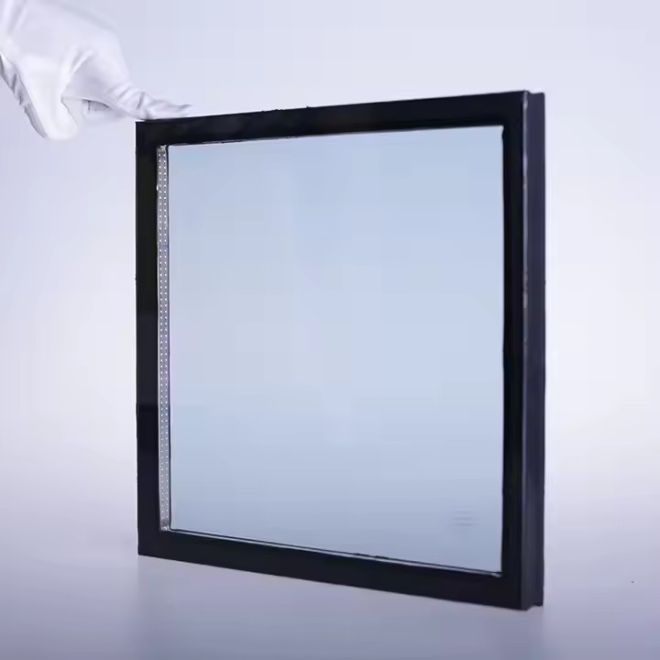
In the contemporary world of architecture and design, tempered glass stands out as a crucial material due to its incredible properties and wide array of applications. Specifically, 8mm toughened glass has gained popularity for its robustness and versatility. This article delves into the characteristics and uses of tempered glass, shedding light on why it is a preferred choice for architects, interior designers, and manufacturers globally. Additionally, we will explore the role of wholesale suppliers and manufacturers in this industry, with a special focus on leading companies like BLUE-SKY.
1. High Strength and Durability of Tempered Glass
1.1 Comparison with Ordinary Glass
Tempered glass, also known as toughened glass, is significantly stronger than ordinary glass. This is achieved through a process of extreme heating followed by rapid cooling, which compresses the glass surfaces and induces tensile stress within its body. The result? A glass product that can withstand significantly more force and impact than annealed glass of the same thickness—up to four to five times more. In the case of 8mm toughened glass, its strength makes it an ideal candidate for applications where safety and durability are paramount.
1.2 Applications Requiring High Mechanical Strength
The strength and durability of tempered glass make it suitable for a variety of demanding applications. From skyscrapers to sports stadiums, the use of toughened glass in architectural projects is extensive. It is commonly employed in situations where safety, strength, and transparency are essential, including in facades, curtain walls, and floors. Here, the role of trusted 8mm toughened glass manufacturers and suppliers is crucial, as they ensure quality and compliance with safety standards.
2. Safety Features of Tempered Glass
2.1 Fragmentation Pattern Upon Breaking
One of the standout features of tempered glass is its distinctive fragmentation pattern. Unlike ordinary glass, which shatters into sharp, jagged pieces, tempered glass breaks into small, relatively harmless granules. This reduces the risk of injury in the event of breakage, making it an optimal choice for areas where human safety is a priority, such as in car windows, shower doors, and public buildings.
2.2 Benefits for Reducing Injury Risks
The ability of tempered glass to minimize injury risks cannot be overstated. This characteristic makes 8mm toughened glass the go-to material in applications where human impact or accidental breakage might occur. For instance, in automotive industries, tempered glass is used for side and rear windows to ensure passenger safety. Wholesale suppliers of 8mm toughened glass play a vital role in supplying this essential material to various sectors.
3. Temperature Resistance Capabilities
3.1 Managing High Temperatures and Rapid Changes
Tempered glass is renowned for its ability to withstand high temperatures and sudden thermal changes. Thanks to its manufacturing process, it can endure temperatures up to 220°C without deforming or breaking. This makes it a favored choice for oven doors, stovetops, and other high-heat environments. Furthermore, 8mm toughened glass suppliers provide products that are well-suited for both residential and commercial kitchens.
3.2 Use in Heat-Prone Environments
Beyond the kitchen, tempered glass is used in environments exposed to rapid temperature changes, such as in solar panels and exterior building elements. Its thermal shock resistance ensures that it remains intact even when subjected to extreme weather variations, making it a reliable and durable option for such installations.
4. Wind Pressure Resistance
4.1 Suitability for External Use
The structural integrity of tempered glass extends to its resistance to wind pressure, making it ideal for external applications. In modern architecture, where large glass panels are desired for aesthetic reasons, tempered glass is the material of choice due to its ability to withstand wind loads.
4.2 Benefits for Building Facades and Windows
In high-rise buildings, 8mm toughened glass manufacturers produce glass specifically designed to endure the wind loads exerted at various elevations. This ensures not only the safety of the structure but also its visual elegance. Developers and architects often rely on reputable suppliers to provide the necessary glass for their projects, ensuring both safety and design goals are met.
5. Optical Properties and Light Transmission
5.1 Maintaining Transparency and Clarity
One of the most appreciated attributes of tempered glass is its optical clarity. Despite undergoing rigorous processes for strengthening, 8mm toughened glass maintains excellent transparency, allowing natural light to flood through spaces without distortion. This makes it a popular choice for windows, partitions, and display cases.
5.2 Applications in Decorative and Architectural Design
Tempered glass is not only functional but also aesthetic. Its clear appearance and ability to be custom-finished enable its use in art installations, decorative features, and modern architectural designs. Manufacturers can offer various finishes, such as frosted or tinted, enhancing its use in interior and exterior applications.
6. Design Versatility and Customization
6.1 Manufacturing in Various Thicknesses and Shapes
The ability to customize tempered glass adds to its appeal. Available in a range of thicknesses—including the popular 8mm variant—tempered glass can be manufactured to meet specific design requirements. This versatility allows architects and designers to create bespoke solutions for their projects, whether in complex geometries or simple, classic lines.
6.2 Meeting Diverse Architectural Needs
From sleek office partitions to robust balustrades, the applications of tempered glass are as varied as the design visions it realizes. Reputable 8mm toughened glass suppliers provide products that meet the exacting standards of modern architecture, including custom sizes, shapes, and finishes, to ensure seamless integration into any design.
7. Applications in Building Environments
7.1 Use in Skyscrapers and Modern Architecture
In the realm of skyscrapers and expansive cityscapes, tempered glass is a material of choice due to its strength, transparency, and safety features. Its use in curtain walls and building facades not only enhances the aesthetic appeal of skyscrapers but also contributes to their structural integrity. Architects depend on reliable 8mm toughened glass manufacturers to supply materials that satisfy both safety and design specifications.
7.2 Enhancing Building Safety and Aesthetics
By balancing strength with beauty, tempered glass plays a critical role in modern architecture. It enables the creation of light-filled, open spaces without compromising on safety. This dual characteristic makes it a staple in both residential and commercial developments.
8. Automotive Uses of Tempered Glass
8.1 Role in Vehicle Safety Features
In the automotive industry, safety is paramount, and tempered glass is integral to achieving this. It is used extensively in vehicles, particularly for side and rear windows. The unique breakage pattern of tempered glass reduces the likelihood of injury in accidents, underscoring its importance in vehicle design. Wholesale 8mm toughened glass suppliers provide this vital component to manufacturers globally.
8.2 Importance in Windshields and Windows
While windshields often utilize laminated glass for its ability to remain intact upon impact, side and rear windows benefit from the strength and safety of tempered glass. The role of manufacturers in supplying quality glass that meets stringent automotive standards is critical to the industry's success.
9. Role in Furniture and Interior Design
9.1 Safety and Aesthetic Benefits in Home Decor
Tempered glass is a popular material in furniture design due to its sleek appearance and safety benefits. From glass-top dining tables to elegant shelving, its use in home decor enhances both style and security. The peace of mind provided by its shatter-safe properties is a significant advantage over traditional glass options.
9.2 Popularity in Tables, Shelves, and Other Furniture
The versatility of 8mm toughened glass allows for its application in a wide range of furniture designs. Its clear, clean lines complement modern interiors, while its durability ensures long-lasting use. Suppliers offer custom-cut options to fit any furniture specification, catering to the diverse needs of designers and consumers alike.
10. Environmental Impact and Sustainability Considerations
10.1 Recycling and Reusability of Tempered Glass
As sustainability becomes an increasingly vital consideration in manufacturing, tempered glass offers ecological benefits through its recyclability. Once its primary use has ended, tempered glass can be repurposed or recycled, reducing its environmental footprint.
10.2 Energy Consumption in Production Processes
While the production of tempered glass does require significant energy, advancements in technology are continuously improving efficiency and reducing emissions. Manufacturers committed to sustainable practices focus on minimizing environmental impact while maintaining product quality.
Conclusion
Tempered glass, particularly in the form of 8mm toughened glass, is a cornerstone material in a multitude of industries, from architecture and automotive to interior design. Its unique properties of strength, safety, and clarity make it an indispensable component of modern design and construction. Reputable manufacturers and suppliers play a crucial role in delivering high-quality products that meet the diverse needs of their clients.
About BLUE-SKY
Since its establishment in 2000, Hangzhou Blue-Sky Safety Glass Co., Ltd. has excelled as a leading manufacturer in the glass processing industry. With a spacious factory in Hangzhou, close to major ports, Blue-Sky offers a wide range of products, including tempered and laminated glass, thanks to its advanced technology and skilled workforce. Certified with CCC, ISO, CE, and other international standards, BLUE-SKY ensures quality and reliable service, making it a preferred choice for customers worldwide.