

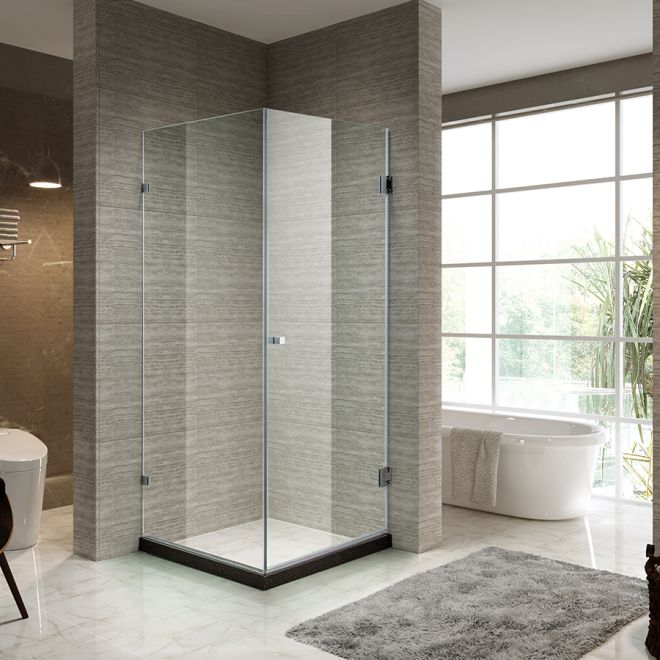
Introduction to Toughened Glass
● Definition of Toughened Glass
Toughened glass, also known as tempered glass, is a type of safety glass that has been subjected to controlled thermal or chemical treatments to enhance its strength compared to ordinary glass. The unique process of creating toughened glass involves putting the outer surfaces into compression and the interior into tension. As a result, when broken, toughened glass crumbles into small granular chunks rather than sharp jagged shards, significantly reducing the likelihood of injury. This remarkable combination of strength and safety makes toughened glass a popular choice for a wide array of applications, both decorative and functional.
● Common Misconceptions: Toughened vs. Tempered Glass
A frequent misunderstanding is the differentiation between toughened and tempered glass. In reality, these terms are interchangeable. Both refer to the same product that has undergone a process to increase its strength and safety features. This article aims to clarify this confusion and provide a comprehensive understanding of what toughened glass entails, including its manufacturing processes, key characteristics, applications, and benefits.
Manufacturing Process of Toughened Glass
● Overview of Thermal Treatments
The most common method of producing toughened glass is through thermal treatment. The process begins with ordinary annealed glass, which is heated to approximately 670°C in a special furnace. At this high temperature, the glass reaches a pliable state. Subsequently, it is rapidly cooled using jets of cold air, a process known as quenching. This rapid cooling induces compressive stresses on the surface and tensile stresses in the interior, significantly enhancing the glass's strength.
● Explanation of Chemical Treatments
Alternatively, toughened glass can be manufactured using chemical treatments. In this method, the glass is immersed in a potassium salt bath at around 300°C. Ion exchange occurs between sodium ions in the glass and larger potassium ions in the salt, creating a surface layer in compression. Although chemically toughened glass can be strong, it typically lacks the safety features of thermally toughened glass, as it does not shatter into small, less harmful pieces upon breakage.
● Comparison Between Thermal and Chemical Methods
While both methods increase the strength of the glass, thermal toughening is generally preferred for safety applications due to its ability to break into safer, smaller fragments. Chemically toughened glass, on the other hand, may still break into sharp splinters unless laminated, making it less desirable for safety-critical uses.
Key Characteristics of Toughened Glass
● Strength and Durability
One of the most notable attributes of toughened glass is its enhanced strength. It is up to six times stronger than untreated, annealed glass. This increased strength allows toughened glass to withstand significant impact and stress, making it ideal for environments where durability is paramount.
● Safety Features: How It Breaks Into Granular Chunks
The safety features of toughened glass are equally impressive. Unlike ordinary glass, which shatters into sharp, dangerous shards, toughened glass breaks into small, rounded granular chunks. This characteristic reduces the likelihood of serious injuries, making it a preferred choice for applications where human safety is a concern.
Thermal Resistance and Competence
● How Toughened Glass Withstands High Temperatures
Toughened glass is not only strong but also thermally resistant. Its ability to withstand high temperatures without deforming or breaking makes it suitable for various applications exposed to heat, such as kitchen splashbacks and bathroom partitions.
● Applications in High-Temperature Environments
In high-temperature environments, the thermal resistance of toughened glass ensures that it retains its structural integrity. This property is particularly beneficial in kitchen applications, such as stovetops and oven doors, where glass components must endure constant exposure to heat.
Applications in Home and Commercial Settings
● Uses in Home Interiors: Shower Doors and Splashbacks
In residential settings, toughened glass is commonly used for shower doors, kitchen splashbacks, and glass partitions. Its strength and safety features make it an ideal material for these applications, providing both functionality and aesthetic appeal.
● Commercial Uses: Partitions, Doors, and Windows
In commercial environments, toughened glass finds applications in office partitions, doors, and windows. Its durability and safety characteristics ensure that it can withstand heavy use and potential impacts, while also providing a sleek, modern aesthetic.
Technological and Automotive Uses
● Importance in Mobile Devices: Screen Protectors
In the realm of technology, toughened glass is an indispensable component of mobile device screen protectors. The enhanced strength and scratch resistance provided by toughened glass protect screens from damage, ensuring the longevity of the devices.
● Automotive Applications: Windshields and Windows
Toughened glass is also a critical material in the automotive industry. It is used for windshields and side windows, where its strength and safety features play a vital role in protecting passengers during collisions.
Safety and Quality Standards
● Identifying Toughened Glass by Markings
To ensure quality and safety, toughened glass products are often marked with a toughening mark or certification indicating compliance with relevant British or European standards. These markings provide assurance that the glass meets stringent safety and quality criteria.
● Ensuring Compliance with British/European Standards
Compliance with British and European standards is crucial for manufacturers of toughened glass. Adhering to these standards ensures that the glass products are reliable, safe, and suitable for their intended applications.
Cutting and Shaping Toughened Glass
● Process of Cutting Before Toughening
Cutting and shaping toughened glass require precision and expertise. The glass is typically cut to the desired size and shape before the toughening process begins. This approach ensures accuracy and prevents damage to the glass.
● Customization Possibilities for Various Shapes and Sizes
Custom toughened glass suppliers offer a wide range of customization options. Glass can be tailored to various shapes, sizes, and specifications to meet the unique requirements of different projects and applications.
Troubleshooting and Preventing Breakage
● Common Causes of Breakage: Thermal Stress and Installation Damage
Despite its enhanced strength, toughened glass can still break under certain conditions. Thermal stress and damage during installation are common causes of breakage. Proper handling and installation practices are essential to minimize these risks.
● Preventative Measures and Handling Tips
To prevent breakage and ensure the longevity of toughened glass, it is crucial to follow best practices for handling and installation. Protective measures, such as using soft padding during transport and avoiding rough handling, can significantly reduce the likelihood of damage.
Future Innovations and Advancements
● Upcoming Technologies in Toughened Glass Production
The future of toughened glass production looks promising, with ongoing advancements in technology. Innovations, such as improved thermal treatment methods and new chemical processes, are expected to enhance the strength, durability, and safety features of toughened glass.
● Emerging Applications and Potential Future Uses
As technology continues to evolve, new applications for toughened glass are likely to emerge. Potential future uses include advanced architectural designs, innovative technological devices, and specialized industrial applications, highlighting the versatility and adaptability of toughened glass.
BLUE-SKY: A Leader in Toughened Glass Manufacturing
Since its establishment in 2000, Hangzhou BLUE-SKY Safety Glass Co., Ltd. has become a renowned name in the glass processing industry. With a vast factory in Hangzhou and state-of-the-art equipment, BLUE-SKY specializes in a wide range of glass products, including tempered, laminated, insulated, and printed glass. The company boasts over 300 experienced employees and a dedication to quality and customer service. BLUE-SKY products are trusted worldwide, making them a preferred choice for glass solutions. Choose BLUE-SKY for competitive prices, high-quality products, and exceptional service.