Introduction to Digital Printed Glass
● Overview of Digital Printed Glass Technology
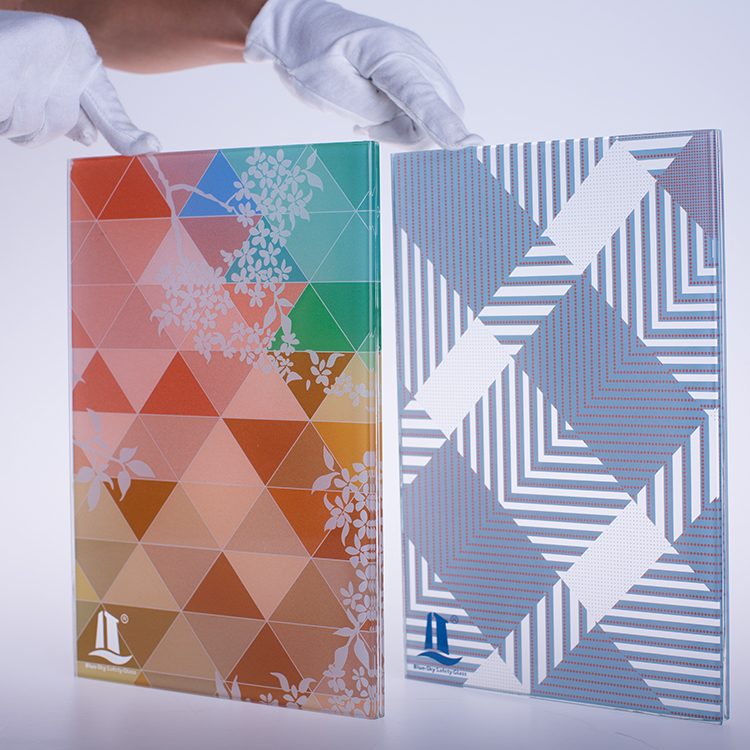
Digital printed glass integrates advanced printing techniques with robust materials to create stunning and durable glass surfaces. This technology enables the direct transfer of digital images, designs, and patterns onto glass, providing a unique and customizable aesthetic. Unlike traditional methods, digital printing offers unmatched precision, allowing for intricate details and vibrant colors that can withstand wear and tear.
● Historical Development and Significance
The concept of printing on glass has evolved significantly over the years. Initially limited to basic patterns and designs, the advent of digital technology has transformed the industry, allowing for more complex and detailed prints. This innovation has opened new avenues in architectural and interior design, enabling designers to explore creative possibilities previously unattainable.
The Technology Behind Digital Glass Printing
● Description of the Printing Process
The process of digital glass printing involves several steps, starting with the creation of a digital design. This design is then fed into a specialized printer equipped with advanced inkjet technology. The printer uses ceramic inks, which are sprayed onto the glass surface with high precision. Once the printing is complete, the glass undergoes a tempering process, which permanently bonds the ink to the glass, ensuring durability and longevity.
● Types of Machinery and Inkjet Technology Used
Digital glass printing relies on sophisticated machinery that can handle high-resolution prints. These machines are equipped with multiple nozzles that can spray ceramic ink at varying levels of opacity, creating a wide range of effects and finishes. The use of advanced inkjet technology ensures that the prints are sharp, vibrant, and durable, capable of withstanding external elements and frequent use.
Durability and Quality of Printed Glass
● How Ceramic Ink Bonding Improves Durability
One of the critical aspects of digital glass printing is the use of ceramic inks. These inks contain pigments that are fused into the glass during the tempering process, creating a bond that is incredibly strong and resistant to fading, scratching, and chemical damage. This ensures that the printed designs remain vibrant and intact, even after prolonged exposure to harsh conditions.
● Resistance to Scratching, Fading, and Chemical Damage
The durability of digitally printed glass makes it an ideal choice for various applications. The bond formed between the ceramic ink and the glass surface is highly resistant to physical damage, such as scratching and chipping. Additionally, the prints are UV-resistant, preventing fading over time, and can withstand exposure to chemicals, making them suitable for environments like kitchens and laboratories.
Design Versatility in Digital Printed Glass
● Range of Design Possibilities and Customization
One of the most significant advantages of digital glass printing is its versatility in design. From intricate patterns and detailed images to bold graphics and subtle textures, the possibilities are virtually limitless. Designers can create custom prints that match specific themes, colors, and styles, allowing for a high degree of personalization and creativity.
● Mixing Thousands of Color Options Digitally
Digital printing technology allows for the mixing of thousands of colors, providing unparalleled color accuracy and consistency. This capability enables designers to achieve the exact hues and shades they envision, resulting in stunning and cohesive designs. The ability to control the opacity of the inks also adds to the versatility, allowing for effects like gradients, translucency, and layering.
Applications in Architectural Design
● Uses in Interior and Exterior Architecture
Digital printed glass is a popular choice for both interior and exterior architectural applications. Its durability and aesthetic appeal make it suitable for facades, windows, and partitions, adding a touch of elegance and modernity to buildings. The ability to print large-scale designs also makes it an excellent choice for public spaces like lobbies, atriums, and conference rooms.
● Examples of Projects Using Printed Glass
Several notable architectural projects have utilized digital printed glass to create visually striking and functional spaces. For instance, the use of printed glass in office buildings can enhance privacy while adding a decorative element. Similarly, printed glass facades can provide shade and insulation, contributing to energy efficiency while maintaining an attractive appearance.
Digital Printed Glass in Interior Design
● Specific Interior Applications Like Shower Doors and Partitions
In interior design, digital printed glass finds a wide range of applications. Shower doors and partitions are popular choices, as the printed designs can add a touch of luxury and style to bathrooms. The ability to customize the prints also allows for unique and personalized designs that reflect the homeowner's taste and personality.
● Enhancing Spaces with Custom Designs
Custom digital glass printing enables interior designers to create unique and tailored environments. From kitchen backsplashes and countertops to decorative panels and art installations, printed glass can transform ordinary spaces into extraordinary experiences. The versatility of the medium allows for seamless integration with other design elements, creating cohesive and harmonious interiors.
Benefits of Using Digitally Printed Glass
● Aesthetic and Practical Advantages
Digital printed glass offers numerous aesthetic and practical benefits. The ability to print high-resolution images and intricate designs provides a level of detail and sophistication that is difficult to achieve with other materials. Additionally, the durability and resistance to damage make it a practical choice for high-traffic areas and demanding environments.
● Comparison with Traditional Glass Options
When compared to traditional glass options, digitally printed glass stands out for its versatility and customization capabilities. Traditional methods, such as etching and sandblasting, are limited in terms of design complexity and color options. Digital printing, on the other hand, allows for a broader range of designs and effects, making it a more flexible and innovative solution.
Customer Support and Project Management
● Services Offered for Small to Large Projects
Digital glass printing manufacturers, such as BLUE-SKY, provide comprehensive customer support and project management services. Whether it's a small interior design piece or a large architectural project, these companies offer assistance at every stage, from design consultation to installation. This ensures that clients receive the best possible results and a seamless experience.
● Role of Project Managers in Assisting Clients
Project managers play a crucial role in the digital glass printing process. They act as the primary point of contact for clients, coordinating all aspects of the project and ensuring that the design and production processes run smoothly. Their expertise and experience help clients navigate the complexities of digital glass printing, resulting in successful and satisfying outcomes.
Innovations and Trends in Glass Printing
● Latest Advancements in Digital Glass Printing
The field of digital glass printing is continually evolving, with new advancements and innovations emerging regularly. Recent developments include improvements in ink technology, leading to even more vibrant and durable prints. Additionally, advancements in printing machinery have increased efficiency and precision, allowing for more complex and detailed designs.
● Future Trends and Potential Developments
Looking ahead, the future of digital glass printing holds exciting possibilities. Emerging trends include the integration of smart technology, such as interactive and touch-sensitive glass surfaces. Additionally, the use of sustainable and eco-friendly materials is becoming increasingly important, with manufacturers exploring new ways to reduce the environmental impact of the printing process.
Getting Started with Digital Printed Glass Projects
● Steps to Initiate a Printed Glass Project
Starting a digital printed glass project involves several key steps. First, clients need to discuss their design ideas and requirements with a digital glass printing supplier. This initial consultation helps determine the feasibility and scope of the project. Next, a detailed design plan is created, followed by the production and installation phases. Throughout the process, project managers provide guidance and support, ensuring that the final result meets the client's expectations.
● Contact Information and Customer Support Details
For those interested in exploring the possibilities of digital glass printing, reaching out to a reputable manufacturer or supplier is the first step. Companies like BLUE-SKY offer comprehensive customer support and are equipped to handle a wide range of projects. Their expertise and dedication to quality ensure that clients receive exceptional service and high-quality products.
● About BLUE-SKY
Since its establishment in 2000, Hangzhou Blue-sky Safety Glass Co., Ltd. has emerged as a leading manufacturer in the glass processing industry in China. With a large factory spanning over 75,000 sqm in Hangzhou city, BLUE-SKY is strategically located near Ningbo and Shanghai ports. The company specializes in a wide range of glass products, including tempered, laminated, insulated, and printed glass, as well as shower doors. Leveraging advanced technology, state-of-the-art equipment, and a team of over 300 experienced employees, BLUE-SKY is committed to delivering high-quality, customized glass solutions to clients worldwide.