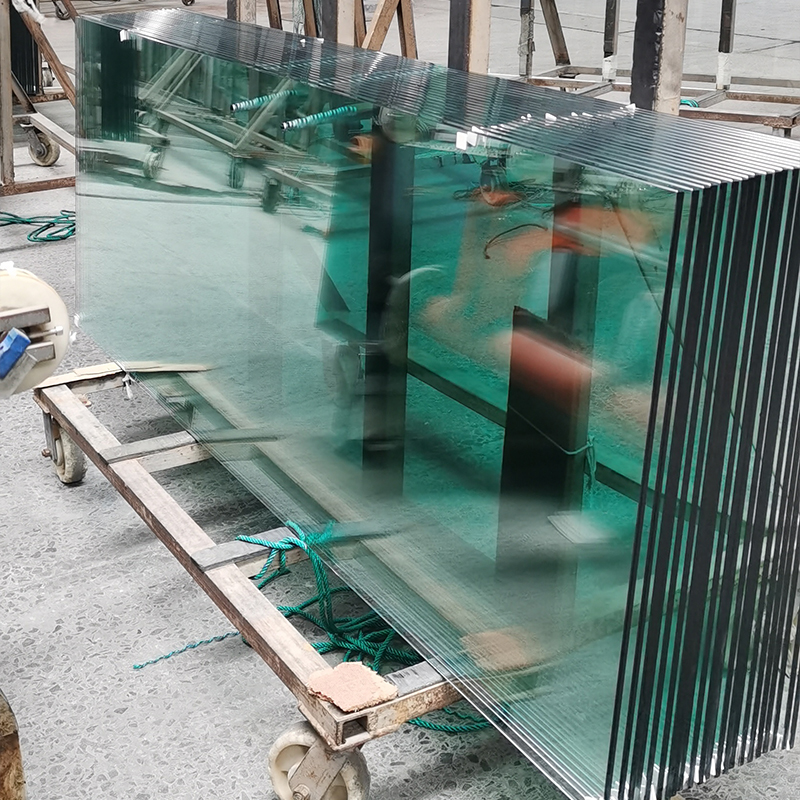
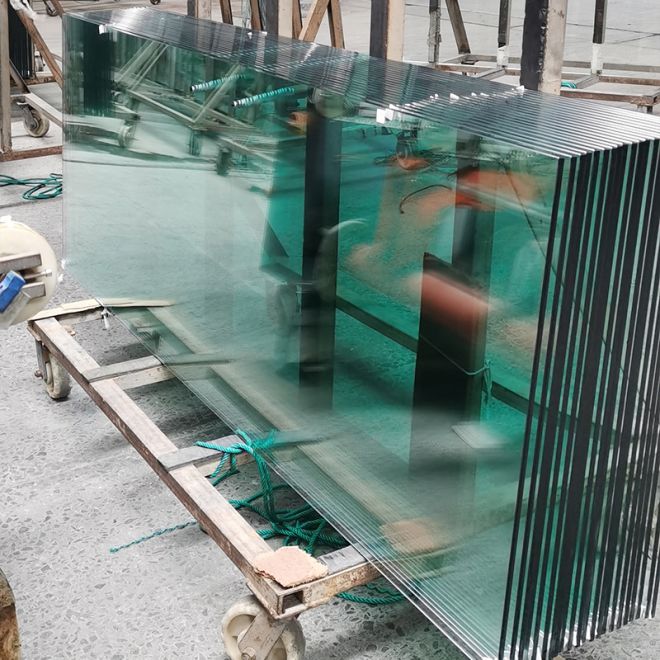
Introduction
Tempered glass has revolutionized numerous industries with its unique properties of strength, durability, and safety. From architectural marvels to everyday consumer electronics, this engineered glass type has found applications that enhance both aesthetics and functionality. In this article, we will delve into the manufacturing process, safety features, environmental benefits, limitations, and innovations of tempered glass, with a particular focus on its use in room dividers. Additionally, we will explore the role of key industry players, such as wholesale tempered glass room divider manufacturers and suppliers, in catering to the growing demand for these products.
Manufacturing Process of Tempered Glass
● Heat Treatment Specifics
Tempered glass undergoes a specialized manufacturing process known as heat treatment. This involves heating the glass to a temperature of approximately 620 degrees Celsius, which is close to its softening point. At this stage, the internal molecular structure of the glass is altered to prepare it for the next crucial step—rapid cooling.
● Rapid Cooling Techniques
After reaching the desired temperature, the glass is rapidly cooled in a process known as quenching. During quenching, high-pressure air blasts are applied to both surfaces of the glass, causing the outer layers to cool and solidify much faster than the inner layers. This rapid cooling creates a state of tensile stress within the interior and compressive stress on the surface, which significantly enhances the strength and durability of the glass.
● Stress Distribution in Glass
The unique stress distribution in tempered glass is what distinguishes it from regular annealed glass. The compressive stress on the surface and tensile stress in the interior work together to make the glass highly resistant to impact and thermal stress. This engineered stress distribution is the key to the unparalleled performance and safety features of tempered glass.
Strength and Durability of Tempered Glass
● Comparison to Regular Glass
Tempered glass is approximately four to five times stronger than standard annealed glass of the same thickness. This increased strength is a direct result of the heat treatment and rapid cooling process, which creates the aforementioned stress distribution. Unlike regular glass, tempered glass can withstand considerable impact without shattering.
● Impact Resistance
One of the most noteworthy features of tempered glass is its exceptional impact resistance. This makes it an ideal material for applications that require a high degree of durability, such as tempered glass room dividers. Wholesale tempered glass room divider suppliers often emphasize this property in their marketing, as it assures customers of the product's long-lasting and reliable performance.
● Longevity and Wear
Tempered glass is also highly resistant to wear and tear, making it suitable for both indoor and outdoor applications. Its longevity is a significant advantage for manufacturers and suppliers, who can offer products with an extended lifecycle. This attribute is particularly important in architectural and industrial applications where replacing glass can be costly and cumbersome.
Safety Features of Tempered Glass
● Breakage Patterns
One of the defining safety features of tempered glass is its breakage pattern. When subjected to extreme force, tempered glass shatters into small, blunt pieces rather than sharp, jagged shards. This reduces the risk of injury, making it a preferred choice for safety-critical applications such as tempered glass room dividers and shower doors.
● Injury Prevention
The unique breakage pattern of tempered glass is instrumental in preventing injuries. In scenarios where the glass is accidentally broken, the small, blunt pieces minimize the risk of cuts and lacerations. This safety feature is highly valued in environments frequented by children and pets, such as homes and schools.
● Applications in Safety-Centric Environments
Given its safety benefits, tempered glass is widely used in environments where safety is paramount. From automotive windshields to building facades and tempered glass room dividers, its ability to prevent injuries while providing robust performance makes it indispensable. Manufacturers often highlight these safety attributes in product literature to assure customers of the glass's reliable performance.
Common Uses of Tempered Glass
● Architectural Uses
Tempered glass has become a staple in modern architecture. Its strength, durability, and aesthetic appeal make it ideal for use in windows, doors, and facades. Additionally, tempered glass room dividers are increasingly popular in open-plan offices and homes, offering a stylish yet functional way to partition spaces without compromising on natural light.
● Automotive Industry
In the automotive industry, tempered glass is used for side and rear windows due to its impact resistance and safety features. The ability of tempered glass to withstand significant force without shattering into dangerous shards is a crucial safety feature in vehicles, protecting passengers during accidents.
● Consumer Electronics
Tempered glass is also prevalent in consumer electronics, particularly as screen protectors for smartphones and tablets. Its scratch resistance and durability provide an added layer of protection for fragile electronic screens, extending their lifespan and preserving their functionality.
Environmental Benefits of Tempered Glass
● Energy Efficiency
Tempered glass contributes to energy efficiency in buildings by providing excellent insulation properties. When used in windows and facades, it helps maintain indoor temperatures, reducing the need for heating and cooling. This energy-saving feature is increasingly important in today's eco-conscious society.
● Recycling Potential
The recycling potential of tempered glass is another significant environmental benefit. The glass can be crushed and reused in various applications, reducing waste and promoting sustainability. Manufacturers and suppliers often emphasize the recyclability of their products as a selling point.
● Sustainable Manufacturing Practices
Many tempered glass manufacturers are adopting sustainable manufacturing practices to minimize their environmental impact. This includes using energy-efficient production methods, recycling waste materials, and sourcing raw materials responsibly. These practices not only benefit the environment but also appeal to eco-conscious consumers.
Regulatory Standards for Tempered Glass
● Industry Guidelines
The production and use of tempered glass are governed by stringent industry guidelines to ensure quality and safety. Standards such as ASTM International and ISO outline the requirements for manufacturing, testing, and performance of tempered glass products.
● Safety Certifications
To meet regulatory standards, tempered glass products must undergo rigorous testing and certification. Certifications such as CCC, CE, and SGCC attest to the safety and performance of the glass, providing assurance to consumers and industry professionals.
● Building Codes
Building codes in many regions mandate the use of tempered glass in specific applications, such as in shower doors and building facades. These regulations are designed to enhance safety and performance, ensuring that buildings meet the highest standards of quality and safety.
Limitations of Tempered Glass
● Cost Considerations
Despite its many advantages, tempered glass can be more expensive than regular glass. The cost of heat treatment and rapid cooling processes, as well as the stringent quality control measures, contribute to the higher price. This can be a limiting factor for some projects and applications.
● Specific Use-Case Scenarios
While tempered glass is versatile, it may not be suitable for all use-case scenarios. For example, it is not recommended for applications where the glass needs to be cut or drilled after tempering, as this can compromise its structural integrity.
● Vulnerabilities in Extreme Conditions
Although tempered glass is highly durable, it may have vulnerabilities in extreme conditions. For instance, sudden and extreme temperature changes can cause the glass to shatter. Understanding these limitations is crucial for manufacturers and suppliers when recommending tempered glass for specific applications.
Innovations in Tempered Glass Technology
● New Treatment Methods
Continuous advancements in technology have led to the development of new treatment methods for tempered glass. Innovations such as chemical tempering and advanced quenching techniques are enhancing the performance and applications of tempered glass.
● Advanced Material Combinations
Researchers are exploring advanced material combinations to further improve the properties of tempered glass. This includes incorporating materials like polycarbonate and laminates to enhance impact resistance and safety features.
● Future Applications
The future of tempered glass technology holds exciting possibilities. From smart glass with integrated electronics to self-cleaning surfaces, ongoing research and development promise to expand the applications and capabilities of tempered glass.
Installation and Maintenance of Tempered Glass
● Proper Installation Techniques
Proper installation is critical to the performance and longevity of tempered glass products. This includes using the right hardware, ensuring accurate measurements, and following manufacturer guidelines. Professional installation is often recommended to achieve the best results.
● Cleaning and Upkeep Tips
Maintaining tempered glass is relatively straightforward, but there are specific cleaning and upkeep tips to ensure its longevity. Using non-abrasive cleaners and soft cloths can prevent scratching, while regular inspections can identify and address any issues early.
● Repair and Replacement Advice
While tempered glass is highly durable, it may occasionally require repair or replacement. It is important to follow manufacturer recommendations and consult professionals for any repair or replacement needs to maintain the integrity and safety of the glass.
Comparing Tempered Glass with Other Glass Types
● Laminated Glass
Laminated glass is another type of safety glass, created by bonding two or more layers of glass with an interlayer of polyvinyl butyral (PVB). Unlike tempered glass, laminated glass holds its fragments together when broken. This makes it suitable for applications requiring additional security, such as skylights and car windshields.
● Annealed Glass
Annealed glass is the most basic form of glass, cooled slowly during production to relieve internal stresses. While it is easier to cut and shape, it is significantly weaker and less safe than tempered glass. Annealed glass is typically used in applications where safety and strength are not primary concerns.
● Bulletproof Glass
Bulletproof glass, also known as ballistic glass, is designed to withstand high-velocity impacts. It is typically a combination of multiple layers of glass and polycarbonate. While it offers superior protection compared to tempered glass, it is also much heavier and more expensive, limiting its use to specific high-security applications.
Conclusion
Tempered glass has emerged as a versatile and indispensable material across various industries, thanks to its unique properties of strength, durability, and safety. From architectural masterpieces to everyday consumer electronics, its applications are diverse and far-reaching. Innovations in technology continue to push the boundaries of what tempered glass can achieve, promising exciting developments in the future. As the demand for tempered glass room dividers and other safety glass products grows, wholesale tempered glass room divider manufacturers and suppliers play a crucial role in meeting market needs with high-quality, reliable products.
● About BLUE-SKY
Since its establishment in 2000, Hangzhou Blue-sky Safety Glass Co., Ltd. has grown into one of the most renowned manufacturers in the glass processing industry in China. With a factory spanning over 75,000 square meters in Hangzhou, and proximity to both Ningbo and Shanghai ports, BLUE-SKY offers a wide range of high-quality products, including tempered glass, laminated glass, insulated glass, and shower doors. Leveraging advanced technology and a team of over 300 experienced employees, BLUE-SKY excels in delivering value-added products and exceptional service to customers worldwide. Why choose us? Our world-class production lines, rigorous quality control, and commitment to customer customization and service make BLUE-SKY a preferred and reliable supplier. Our products are certified by CCC, ISO, European CE, Australian AS/NZS2208, and US SGCC, ensuring they meet the highest standards of quality and safety. These attributes have earned us a loyal customer base across the globe, including the USA, Canada, Germany, the UK, Italy, Denmark, Australia, Indonesia, and South Africa.
---
By exploring the multifaceted world of tempered glass, we gain a deeper understanding of its significance and the endless possibilities it offers for innovation and application.