

● Introduction to the Main Topic
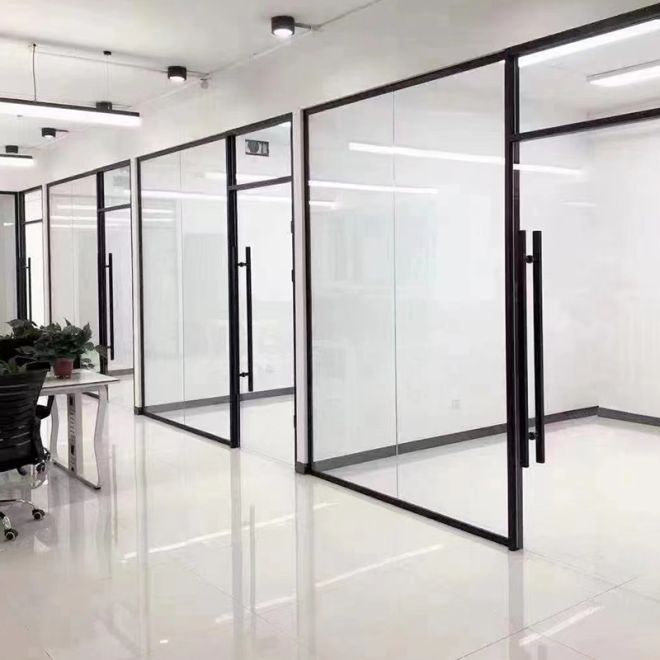
In today's fast-paced business environment, the workspace is rapidly evolving to meet the demands of flexibility, transparency, and modern aesthetics. Frameless glass office walls have become a hallmark of contemporary office design, providing an open and inviting atmosphere that fosters collaboration and productivity. This article delves into the multifaceted aspects of frameless glass office walls, exploring their history, current trends, challenges, innovations, societal impacts, economic considerations, technological advancements, and future outlook. In doing so, it aims to offer a comprehensive understanding of how these sleek, modern partitions are revolutionizing the traditional office landscape.
● Historical Background and Context
● Origins of the Frameless Glass Office Walls
The concept of using glass as a partition material can be traced back to the early 20th century, coinciding with the rise of modernist architecture. Pioneers like Ludwig Mies van der Rohe championed the use of glass to create open, light-filled spaces. The frameless glass office wall, however, is a relatively recent development, gaining popularity in the late 20th and early 21st centuries. Initially seen in high-end corporate environments, these walls have now become more accessible, thanks to advancements in manufacturing and materials.
● Key Historical Events and Milestones
The proliferation of frameless glass office walls can be linked to several key developments. The rise of open-plan offices in the 1960s and 1970s laid the groundwork for more transparent office environments. The tech boom of the 1990s further fueled demand for modern, collaborative workspaces, leading to the widespread adoption of glass partitions. Today, custom frameless glass office walls are a staple in a variety of settings, from tech startups to traditional corporate offices.
● Current Trends and Developments
● Latest Advancements
The design and functionality of frameless glass office walls have evolved significantly in recent years. Innovations in glass technology, such as smart glass that can switch between transparent and opaque states, have added new dimensions to office design. Acoustic glass, which reduces noise transmission, has addressed one of the main criticisms of open office layouts. Moreover, advances in installation techniques have made it easier to create seamless, floor-to-ceiling glass panels without visible framework.
● Emerging Patterns and Statistics
Recent studies indicate a growing preference for frameless glass office walls across various industries. According to a market analysis, the demand for glass partitions is projected to grow by 5% annually over the next five years. This trend is particularly pronounced in sectors such as technology, finance, and creative industries, where transparency and collaboration are highly valued. Custom frameless glass office walls are increasingly sought after, allowing businesses to tailor their office environments to specific needs and aesthetics.
● Key Challenges and Issues Faced
● Common Obstacles
Despite their many advantages, frameless glass office walls come with their own set of challenges. One of the primary concerns is privacy. While glass partitions promote openness, they can also expose sensitive information and conversations. Acoustic issues are another significant drawback, as glass does not inherently provide sound insulation. Additionally, the installation and maintenance of frameless glass walls require specialized skills and can be cost-prohibitive for some businesses.
● Critical Issues Affecting the Topic
The environmental impact of producing and disposing of glass is an ongoing concern. The energy-intensive manufacturing process and the difficulty of recycling laminated or treated glass contribute to its overall carbon footprint. Moreover, the use of glass in office design raises safety considerations, particularly in terms of fire resistance and impact resistance. Addressing these issues requires continuous innovation and adherence to stringent safety standards by frameless glass office walls manufacturers and suppliers.
● Innovative Solutions and Approaches
● New Methodologies
To overcome the challenges associated with frameless glass office walls, industry leaders are developing innovative solutions. Advances in acoustic glass technology now enable the creation of partitions that significantly reduce noise transmission without compromising on aesthetics. Privacy can be enhanced using smart glass, which can switch from clear to frosted at the touch of a button. Additionally, modular glass wall systems allow for greater flexibility, enabling businesses to reconfigure their office layouts quickly and efficiently.
● Case Studies of Successful Implementations
Several companies have successfully integrated custom frameless glass office walls into their workspace designs. For instance, a leading tech firm in Silicon Valley revamped its headquarters to include floor-to-ceiling glass walls, creating an open and collaborative environment. The use of smart glass allowed for adjustable privacy, while acoustic glass ensured a quiet working atmosphere. Another example is a global financial institution that installed frameless glass walls to modernize its office and promote transparency. The project was executed by a renowned frameless glass office walls manufacturer and met with positive feedback from employees and clients alike.
● Impacts on Society and Culture
● Societal Changes
The adoption of frameless glass office walls reflects broader societal shifts towards transparency and openness. In the corporate world, these walls symbolize a move away from hierarchical structures and towards more egalitarian and collaborative work environments. This trend also aligns with the growing emphasis on employee well-being, as natural light and open spaces have been shown to boost morale and productivity.
● Cultural Influences
Culturally, frameless glass office walls represent a blend of functionality and modern aesthetics. They draw inspiration from minimalist design principles, emphasizing clean lines and simplicity. This aesthetic resonates with contemporary tastes and has influenced office design trends globally. Moreover, the use of glass walls can create a sense of unity and interconnectedness, reflecting cultural values of inclusivity and collaboration.
● Economic and Financial Considerations
● Market Trends
The market for frameless glass office walls is experiencing robust growth, driven by increasing demand for modern workspaces. A report by a leading market research firm estimates that the global market for glass partitions will reach $2.5 billion by 2025. This growth is fueled by rising investments in office renovations and new constructions, particularly in urban centers. Custom frameless glass office walls are a key segment, as businesses seek tailored solutions that align with their brand identity and functional requirements.
● Economic Benefits and Risks
Investing in frameless glass office walls can yield significant economic benefits. These walls enhance the aesthetic appeal of office spaces, potentially increasing property values and attracting top talent. They also support flexible work arrangements, which can improve operational efficiency and reduce real estate costs. However, the initial investment and ongoing maintenance costs can be substantial. Companies must weigh these factors carefully and consider working with reputable frameless glass office walls suppliers to ensure quality and longevity.
● Technological Advancements and Applications
● Recent Innovations
Technological advancements are continually reshaping the capabilities of frameless glass office walls. Smart glass technology, which allows glass to change its transparency, is one of the most notable innovations. This technology not only enhances privacy but also improves energy efficiency by controlling heat and light transmission. Furthermore, advancements in glass coatings and treatments have led to the development of anti-reflective, anti-glare, and self-cleaning glass, further enhancing the functionality and maintenance of frameless glass partitions.
● Future Technological Prospects
The future of frameless glass office walls looks promising, with several exciting technological prospects on the horizon. Innovations in nanotechnology could lead to the development of even more advanced glass materials with superior strength, insulation, and self-cleaning properties. Additionally, the integration of smart technologies, such as embedded sensors and IoT connectivity, could transform glass walls into interactive surfaces, offering new possibilities for workplace communication and automation.
● Policy and Regulatory Framework
● Current Policies
The use of frameless glass office walls is subject to various building codes and safety regulations. These policies are designed to ensure the structural integrity, fire safety, and impact resistance of glass partitions. In many regions, building codes require the use of tempered or laminated glass in office environments to minimize the risk of injury in the event of breakage. Compliance with these regulations is crucial for frameless glass office walls manufacturers and suppliers to ensure the safety and well-being of occupants.
● Regulatory Challenges and Changes
As the demand for frameless glass office walls grows, regulatory frameworks are evolving to address new challenges. One area of focus is the environmental impact of glass production and disposal. Policymakers are increasingly advocating for sustainable practices, such as recycling and the use of eco-friendly materials. Additionally, regulations are being updated to accommodate advancements in glass technology, such as smart glass and acoustic glass. Staying abreast of these changes is essential for manufacturers and suppliers to remain competitive and compliant.
● Future Outlook and Predictions
● Potential Future Scenarios
The future of frameless glass office walls is likely to be shaped by several key trends. The increasing emphasis on sustainability will drive demand for eco-friendly glass solutions, such as recycled glass and low-emission coatings. The rise of remote and hybrid work arrangements will also influence office design, with greater emphasis on flexibility and adaptability. Custom frameless glass office walls will play a crucial role in creating versatile workspaces that can be easily reconfigured to accommodate changing needs.
● Expert Opinions and Forecasts
Industry experts predict that the market for frameless glass office walls will continue to grow, driven by ongoing innovations and shifts in workplace culture. According to a leading architect, "Frameless glass walls are not just a design trend; they represent a fundamental shift towards more open, transparent, and collaborative work environments. As technology advances, we can expect these walls to become even more functional and versatile, enhancing the way we work and interact."
● Conclusion
In conclusion, frameless glass office walls are transforming modern workspaces, offering a blend of aesthetics, functionality, and flexibility. While there are challenges to address, ongoing innovations and a supportive regulatory framework are paving the way for their continued adoption. As businesses increasingly recognize the value of open and transparent environments, the demand for custom frameless glass office walls is set to rise. By staying attuned to market trends and technological advancements, frameless glass office walls manufacturers and suppliers can play a pivotal role in shaping the future of office design.
● Company Introduction: BLUE-SKY
BLUE-SKY is a leading provider of innovative glass solutions, specializing in custom frameless glass office walls. With a commitment to quality and excellence, BLUE-SKY offers a wide range of products designed to enhance modern workspaces. Our state-of-the-art manufacturing facilities and experienced team ensure that every project is executed to the highest standards. At BLUE-SKY, we believe in creating environments that inspire productivity and collaboration, making us the preferred choice for businesses worldwide.