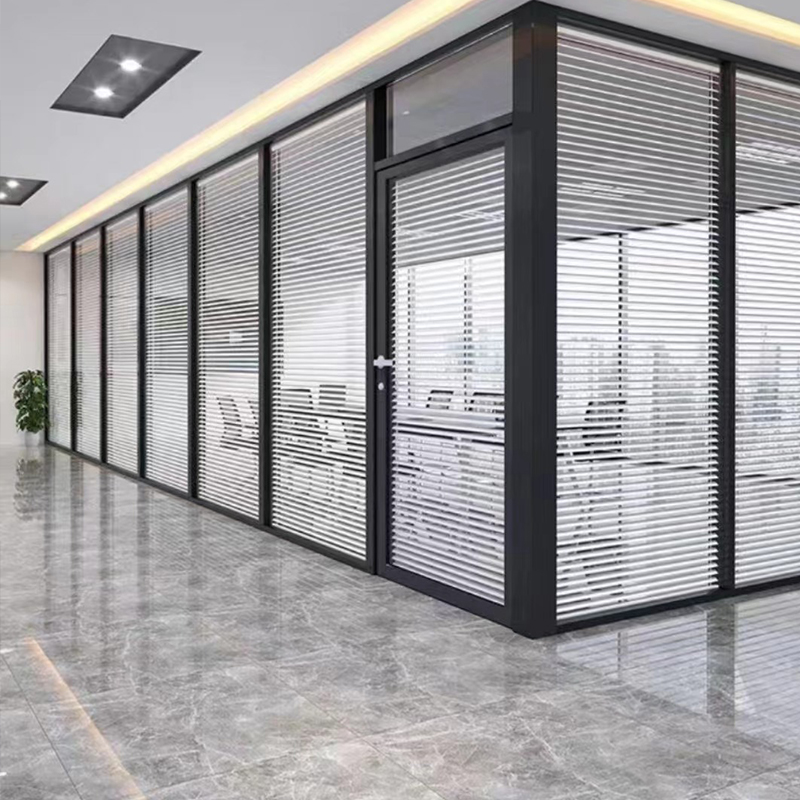

Introduction to Glass Partitioning
● Benefits of Glass Partitions
glass office partitions have become increasingly popular in modern office layouts due to their aesthetic appeal and functional benefits. They allow natural light to flood the interior, creating a bright and inviting workspace that can boost employee morale and productivity. Furthermore, glass partitions can enhance the feeling of openness in an office, making it appear more spacious and modern.
However, selecting the best glass for partitioning involves more than just aesthetic considerations. Several other factors, including safety, acoustic performance, and cost, must also be taken into account. This article aims to explore the various types of glass available for partitioning and help you determine which option best meets your specific needs.
● Importance of Choosing the Right Glass Type
Selecting the appropriate type of glass for office partitions is crucial for maintaining both the functionality and safety of your workspace. Different types of glass offer distinct advantages and disadvantages. For example, some provide better sound insulation, while others are more resistant to breakage. By carefully considering your specific requirements, you can choose a glass that enhances your office environment in multiple ways.
Types of Glass for Partitions
● Tempered (Toughened) Glass
Tempered glass, also known as toughened glass, is one of the most popular choices for office partitions. It is manufactured through a process of extreme heating and rapid cooling, which makes it much stronger than standard glass. One of the key benefits of tempered glass is its safety features. In the event of breakage, it shatters into small, granular chunks instead of sharp, jagged pieces, reducing the risk of injury.
● Laminated Glass
Laminated glass consists of two or more layers of glass with an interlayer of polyvinyl butyral (PVB) or ethylene-vinyl acetate (EVA) sandwiched in between. This structure gives laminated glass its unique properties. Should the glass break, the interlayer holds the shards together, preventing them from scattering. This makes laminated glass an excellent choice for high-traffic areas, as it provides added safety and security.
● LCD Privacy Glass
LCD privacy glass offers the ultimate in high-tech flexibility. With a flick of a switch, the glass can transition from transparent to opaque, providing privacy on-demand. This type of glass is particularly useful in settings where varying levels of privacy are required, such as conference rooms or executive offices.
● Low Iron Glass
Low iron glass is an ultra-clear glass that minimizes the greenish tint often seen in standard glass. This type of glass allows maximum light transmission and provides unparalleled clarity, making it ideal for creating a bright and visually appealing office environment.
Factors Influencing Glass Partition Thickness
● Load-Bearing Requirements
The thickness of the glass used in office partitions is influenced by its load-bearing requirements. Thicker glass provides greater structural integrity and stability, making it suitable for applications where the partitions are required to support additional loads, such as shelving or display units.
● Safety
is a paramount consideration in the selection of glass partitions. Thicker glass is generally more robust and resistant to breakage, reducing the risk of accidents. In environments where safety is a primary concern, such as schools or healthcare facilities, opting for thicker, more durable glass can provide added peace of mind.● Acoustic Performance
The acoustic performance of glass partitions is another critical factor to consider. Thicker glass offers better sound insulation, making it ideal for offices where reducing noise levels is important. Double-glazed partitions, which consist of two layers of glass with an air gap in between, can further enhance acoustic performance by minimizing sound transmission.
● Aesthetic Preferences
Aesthetic preferences also play a role in determining the thickness of glass partitions. Thicker glass can create a more substantial and luxurious appearance, while thinner glass offers a sleek and minimalist look. The choice ultimately depends on the desired aesthetic and the overall design of the office space.
Impact of Glass Thickness on Partition Quality
● Strength and Stability
The thickness of glass significantly impacts its strength and stability. Thicker glass is less prone to bending and flexing, providing a more solid and durable partition. This is particularly important in high-traffic areas where the partitions may be subjected to greater wear and tear.
● Sound Insulation
Sound insulation is another area where glass thickness plays a crucial role. Thicker glass partitions offer better soundproofing, which can be essential in maintaining a quiet and focused work environment. This is especially important in open-plan offices, where noise levels can easily become disruptive.
● Safety
Safety is enhanced with thicker glass, as it is more resistant to impact and less likely to shatter. In the event of breakage, thicker glass is less likely to produce dangerous shards, reducing the risk of injury.
● Visual Appeal
Thicker glass can also enhance the visual appeal of office partitions. It provides a more substantial and refined look, which can contribute to a sense of professionalism and quality in the office environment.
Standard Glass Partition Thicknesses
● Common Thicknesses and Applications
The thickness of glass used in office partitions typically ranges from 6mm to 12mm. Common thicknesses include 6mm, 8mm, 10mm, and 12mm, each suited to different applications and requirements. For example, 6mm glass is often used for simple, non-load-bearing partitions, while 12mm glass is preferred for high-traffic areas or where additional structural support is needed.
- 6mm: Suitable for simple, non-load-bearing partitions
- 8mm: Commonly used in standard office partitions
- 10mm: Provides greater stability and sound insulation
- 12mm: Ideal for high-traffic areas and load-bearing applications
● Conversion of Thickness from Millimeters to Inches
For those more accustomed to imperial measurements, it's useful to know the equivalent thicknesses in inches. Here's a quick conversion table for common glass thicknesses:
- 6mm: Approximately 0.24 inches
- 8mm: Approximately 0.31 inches
- 10mm: Approximately 0.39 inches
- 12mm: Approximately 0.47 inches
How to Choose the Right Glass Thickness
● Assessing Needs and Constraints
Choosing the right glass thickness for office partitions involves a careful assessment of your specific needs and constraints. Consider factors such as the intended use of the partitions, the level of traffic in the area, and any load-bearing requirements. Additionally, think about the desired level of sound insulation and the overall aesthetic you wish to achieve.
● Consulting with Professionals
Given the complexities involved in selecting the appropriate glass thickness, consulting with a glass office partitions manufacturer or supplier can be invaluable. These professionals have the expertise to guide you through the decision-making process, ensuring that you choose a glass thickness that meets all your requirements.
Cost Implications of Glass Thickness
● Cost Differences Between Thicker and Thinner Glass
Thicker glass is generally more expensive than thinner glass due to the additional material and manufacturing processes involved. However, the increased cost can be justified by the added benefits of thicker glass, such as enhanced strength, safety, and sound insulation.
● Budget Considerations
When determining the glass thickness for your office partitions, it's important to balance your budget constraints with the functional and aesthetic requirements of the space. While opting for thinner glass may reduce upfront costs, it may not provide the same level of performance and durability as thicker glass.
Installation Considerations for Different Thicknesses
● Sturdier Framing Requirements for Thicker Glass
Thicker glass requires sturdier framing systems to support its weight and ensure its stability. This may involve additional costs for reinforced frames and specialized installation techniques. Consulting with a glass office partitions supplier can help you understand the framing requirements for different glass thicknesses.
● Installation Process and Challenges
The installation process for glass partitions can vary depending on the thickness of the glass. Thicker glass is heavier and may require more specialized equipment and expertise to install. Ensuring that the installation is carried out by experienced professionals can help mitigate any challenges and ensure that the partitions are installed safely and securely.
Case Studies: Different Settings and Their Glass Choices
● Office Spaces
In typical office settings, glass office partitions are often used to create private workspaces, conference rooms, and meeting areas. Thicker glass, such as 10mm or 12mm, is frequently chosen for its enhanced sound insulation and durability, making it ideal for busy office environments.
● Recording Studios
Recording studios require exceptional sound insulation to prevent external noise from interfering with recordings. Double-glazed glass partitions with a thickness of 12mm or more are commonly used in these settings to achieve the necessary acoustic performance.
● High-Traffic Areas
In high-traffic areas, such as lobbies and corridors, thicker glass is preferred for its enhanced strength and safety. Laminated or tempered glass with a thickness of 12mm or more can provide the necessary durability to withstand frequent use and potential impacts.
Conclusion: Optimizing Performance,Safety, and Aesthetics Summary of Key Points
Selecting the best glass for partitioning involves a careful consideration of various factors, including the type of glass, its thickness, and the specific requirements of the space. Tempered and laminated glass are popular choices for their safety and durability, while LCD privacy glass offers high-tech flexibility. Thicker glass provides better sound insulation and stability, but also comes with higher costs and installation challenges.
● Final Recommendations for Choosing the Best Glass Thickness
To optimize the performance, safety, and aesthetics of your office partitions, it is essential to assess your specific needs and consult with professionals. By choosing the right type and thickness of glass, you can create a functional and visually appealing workspace that meets all your requirements.
About BLUE-SKY
BLUE-SKY is a leading glass office partitions manufacturer and supplier, specializing in custom glass office partitions. With years of experience in the industry, BLUE-SKY offers a wide range of high-quality glass solutions tailored to meet the unique needs of each client. Whether you're designing a modern office or a sophisticated retail space, BLUE-SKY can provide the expertise and products to transform your vision into reality. Contact BLUE-SKY today to learn more about their innovative glass partition solutions.