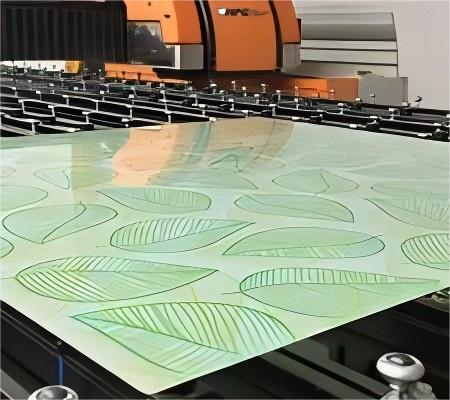

The evolution of printing technology has dramatically shifted the landscape of various industries, offering new possibilities in design and efficiency. This article delves into the fascinating world of digital and vinyl printing, comparing their techniques, applications, durability, and future trends. Additionally, we will focus on the specialized niche of digital print splashbacks, examining their manufacturing and supply processes.
The Longevity of Printed Signs
● Vinyl vs. Digital Lifespan
Vinyl and digital printing both offer unique advantages when it comes to durability and lifespan. Vinyl prints are renowned for their resilience, offering a robust option that can withstand harsh environmental conditions. They are particularly suited for outdoor signage due to their UV stability and resistance to water. On the other hand, digital prints are favored for their vibrant color retention and detailed output, making them ideal for indoor applications.
● Factors Affecting Durability
The lifespan of printed signage is influenced by several factors, including material quality, environmental exposure, and maintenance routines. For instance, vinyl prints exposed to constant sunlight may eventually fade, while digital prints benefit from protective coatings to enhance their longevity. Understanding these factors is crucial for maximizing the effectiveness of both printing methods.
Differences Between Printing Techniques
● Overview of Digital vs. Vinyl Printing Methods
Digital printing harnesses advanced technology to produce high-resolution images directly from digital files. This method allows for intricate designs and a broad color spectrum. Vinyl printing, by contrast, involves cutting and applying vinyl sheets to surfaces, making it suitable for simpler designs that do not require a wide range of colors.
● Technological Advancements
The printing industry has witnessed remarkable advancements, particularly in digital technology. Innovations such as UV digital printing offer enhanced durability and color vibrancy, positioning it as a formidable competitor to traditional vinyl methods.
Applications in Various Industries
● Popular Uses for Digital Printing
Digital printing is highly versatile, finding applications across numerous industries. It’s particularly prominent in advertising, interior design, and custom product manufacturing. Digital print splashbacks, for instance, are a popular choice in kitchens and bathrooms due to their aesthetic appeal and ease of customization.
● Common Applications of Vinyl Printing
Vinyl printing is commonly used in the automotive and retail sectors, where durable and weather-resistant signage is required. Its applications range from vehicle wraps to store displays, demonstrating its flexibility and reliability.
Durability and Environmental Resistance
● UV Stability in Vinyl Prints
Vinyl offers significant benefits in outdoor applications due to its UV resistance. This property ensures that vinyl signs maintain their appearance over time, even under continuous sun exposure.
● Environmental Impacts on Digital Prints
Digital prints are less resistant to environmental factors unless treated with protective coatings. However, advancements in eco-friendly inks and coatings have improved their resistance to fading and environmental degradation.
Color Capabilities and Limitations
● Color Range in Digital Printing
Digital printing excels in color reproduction, allowing for a near-infinite palette of colors and gradients. This capability makes it ideal for producing detailed images and complex designs, including digital print splashbacks.
● Limitations in Vinyl Printing Colors
Vinyl printing is inherently limited by the colors available in vinyl sheets. While it can achieve vivid colors, the process is not as flexible as digital printing in reproducing intricate color gradients and detailed images.
Cost Considerations and Benefits
● Cost-Effectiveness of Digital Printing
Digital printing offers cost-effectiveness, particularly for small runs and custom projects. The absence of setup fees and plates makes it an attractive option for businesses seeking to produce individualized items like wholesale digital print splashbacks.
● Value for Money with Vinyl Prints
Vinyl printing is generally more economical for large-scale projects and simple designs, offering a durable and cost-effective solution for long-term signage needs.
Production Speed and Efficiency
● Quick Turnaround of Digital Prints
One of the primary advantages of digital printing is its rapid production speed. Without the need for extensive setup, digital printing can deliver quick turnarounds, making it suitable for time-sensitive projects.
● Drying Times in Vinyl Printing
Vinyl prints require additional time for setting and drying, which can impact production speed. However, this extra time is often offset by the durability and longevity of the final product.
Design Flexibility and Options
● Complex Designs with Digital Printing
Digital printing excels in producing complex and intricate designs, allowing for high customization in products like digital print splashbacks. This flexibility is invaluable in industries where personalization is key.
● Simpler Design Suitability for Vinyl
Vinyl is best suited for bold, simple designs due to the nature of the material and the process. It offers an excellent choice for applications where straightforward graphics are required.
Impact of Lamination on Signage
● Benefits of Laminating Digital Prints
Laminating digital prints can significantly enhance their durability, offering protection against scratches and UV exposure. This addition is particularly beneficial for products like digital print splashbacks, which require resilience to daily wear and tear.
● Extending Vinyl Print Life with Lamination
Vinyl prints also benefit from lamination, which can preserve color vibrancy and extend the lifespan of outdoor signage. This protective layer is a worthwhile investment for maintaining the quality of vinyl prints over time.
Future Trends in Printing Technologies
● Innovations in Digital Printing
The future of digital printing looks promising, with continual advancements in technology enhancing speed, quality, and sustainability. Innovations such as 3D printing and AI-driven design processes are poised to revolutionize the industry.
● Potential Advancements in Vinyl Technology
While digital printing sees rapid growth, vinyl technology is also evolving. New materials and eco-friendly inks are being developed to improve its environmental footprint and expand its application range.
Conclusion
The ongoing evolution of printing technology offers exciting opportunities for businesses and consumers alike. Whether choosing the vibrant possibilities of digital prints or the durable nature of vinyl, understanding the strengths and limitations of each method is crucial. In particular, the market for digital print splashbacks showcases the creative potential unleashed by these innovations.
● Introducing BLUE-SKY
Since its establishment in 2000, Hangzhou Blue-sky Safety Glass Co., Ltd. has been at the forefront of the glass processing industry. With a sprawling facility in Hangzhou and state-of-the-art equipment, BLUE-SKY specializes in tempered, laminated, and printed glass. Their commitment to quality and customer service has earned them certifications such as CCC, ISO, and CE, making them a preferred glass manufacturer worldwide. BLUE-SKY stands out for its custom-built solutions and competitive pricing, serving an international clientele with distinction and reliability.