

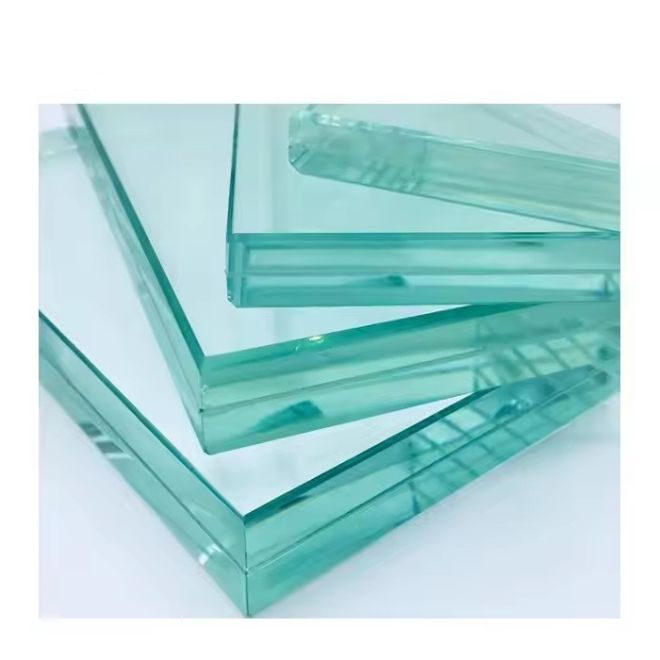
Introduction to Glass in Stair Design
Glass has evolved dramatically over the years as a favored element in architectural design. It was once primarily a functional material for windows, but today, glass is valued for its aesthetic appeal and versatility. Particularly in staircase design, the integration of glass offers a modern, sleek look while ensuring safety remains paramount. Staircases crafted from toughened glass are a testament to this evolution, marrying form and function effectively. The advent of wholesale staircase toughened glass has made it accessible for various projects, courtesy of reliable staircase toughened glass manufacturers and suppliers.
● The Evolution of Glass Usage in Architecture
Glass has transcended its traditional role and become integral to modern architecture. Its transparency and ability to transform spaces with light make it indispensable for contemporary designs. Architects have leveraged glass's properties to create open, airy environments, crafting structures that merge seamlessly with their surroundings. In stair design, glass adds a touch of elegance and sophistication, allowing for unique and innovative designs that wouldn't be possible with conventional materials.
● Importance of Safety and Aesthetics in Stairs
While aesthetics are crucial, the primary function of any staircase is safety. Toughened glass, with its strength and durability, offers a safe option for staircases. It provides the transparency that designers desire while ensuring that users are protected. When used in balustrades and stair treads, glass must comply with rigorous safety standards. The balance between safety and aesthetics is critical, making the choice of material and design paramount.
Understanding Toughened Glass for Stairs
Toughened glass, often referred to as tempered glass, is a type of safety glass processed by controlled thermal or chemical treatments to increase its strength compared with normal glass. This makes it ideal for use in staircases where both strength and clarity are required.
● Characteristics of Toughened Glass
The hallmark of toughened glass is its enhanced strength and safety features. It is created by heating glass to over 600 degrees Celsius and then rapidly cooling it. This process ensures that when the glass breaks, it shatters into tiny, blunt pieces instead of sharp shards, significantly reducing the risk of injury. Its robustness makes it perfect for staircases, where durability is as crucial as transparency.
● Why It’s the Preferred Choice for Safety
Staircase toughened glass is preferred because of its ability to withstand impact and its resilience to temperature changes and scratches. Unlike ordinary glass, toughened glass can handle the wear and tear of daily use, making it invaluable for high-traffic areas. In the context of a staircase, this means safety and longevity, an assurance for both architects and end-users.
Safety Features of Laminated Glass
Beyond toughened glass, laminated glass is another layer of safety often incorporated into staircase design. It provides an additional safeguard and is a preferred choice for specific applications.
● How Laminated Glass Enhances Safety
Laminated glass consists of two or more glass layers with an interlayer, usually made of polyvinyl butyral (PVB). This structure not only makes the glass stronger but also ensures that it holds together even when shattered. This feature is vital in staircases, providing an added level of safety. In the event of breakage, the glass remains largely intact, minimizing the risk of injury.
● Benefits of Glass Crumbling into Small Pieces
Laminated glass, much like toughened glass, crumbles into smaller, less dangerous pieces upon impact. This characteristic is particularly important in settings where safety is a priority, such as in public and commercial buildings. In staircases, this means fewer accidents and a safer environment overall.
Factors Affecting Glass Thickness in Stairs
The thickness of glass used in staircases is a critical consideration for both stability and safety. It plays a significant role in the overall performance of the staircase.
● Importance of Thickness in Glass Durability
Glass thickness determines how much weight the glass can bear and affects its susceptibility to bending or breaking under pressure. For staircases, a minimum thickness is essential to withstand the loads and stresses it may encounter daily. Thicker glass not only supports weight more efficiently but also provides additional safety, ensuring that the staircase remains sturdy over time.
● Impact of Thickness on Safety and Design
While thickness is primarily a safety concern, it also influences the design and appearance of the staircase. Thicker glass can offer a more solid, robust look, which might be desirable in some designs. However, it also means more weight, which could necessitate adjustments in the supporting structure. Optimal thickness ensures that the glass is both a safe and aesthetic choice for any staircase design.
Types of Glass Securement Systems
Choosing the right securement system is essential for ensuring the safety and stability of glass staircases. Several securement systems are available, each with its advantages and considerations.
● Overview of Post and Rail, Bolted, and Clamped Systems
Glass securement systems range from post and rail to bolted and clamped. Each system offers a distinct set of features suitable for different architectural designs.
Pros and Cons of Each System
- Post and Rail Systems : These systems are traditional and offer strong support for glass panels. They are often used in external applications because of their robustness. However, they may not provide the sleek, frameless look some modern designs aspire to.
- Bolted Systems : Bolted systems use hardware to secure glass panels directly. They provide a minimalist appearance and are often used in internal applications. The downside might be less flexibility in installation and potential visibility of bolts.
- Clamped Systems : Clamped systems offer the advantage of ease of installation and adjustment. They provide a clean look while ensuring safety. However, clamps must be correctly positioned and secured to maintain stability.
Post and Rail System Specifics
A post and rail system is a traditional method of securing glass in staircases. It involves posts that support a rail, which in turn supports the glass panels.
● Description and Typical Glass Thickness
In a post and rail system, the glass is usually thicker than in other systems to handle the weight between posts. The typical thickness ranges from 12mm to 19mm, ensuring the glass remains stable and safe over longer spans without sagging or bending.
● Suitability for Different Architectural Designs
Post and rail systems are suitable for both classic and contemporary designs, often favored for their reliability. They can be customized to suit various architectural styles, making them a versatile choice for many projects.
Bolted System Advantages and Considerations
The bolted system offers a modern alternative to traditional glass securement methods. It involves fastening glass panels with bolts, providing a seamless and frameless look.
● Details on Glass Thickness Range
For bolted systems, glass thickness needs to be sufficient to handle the stress at the points where bolts are inserted. Therefore, typical glass thicknesses range from 15mm to 25mm, offering a balance between aesthetic appearance and structural integrity.
● Applications and Stability Factors
Bolted systems are ideal for internal staircases where a modern, minimalist look is desired. However, installers must ensure that bolts are securely fastened and that the glass can bear the load effectively without compromising safety.
Clamped System: Features and Benefits
Clamped systems provide a flexible and versatile way to secure glass panels in staircase design. They utilize clamps to hold the glass in place without the need for holes or rails.
● How the Clamped System Functions
Clamped systems function by securing glass panels between clamps attached to the floor or side railings. This method allows for easy installation and future adjustments, making it a practical choice for many applications.
● Thickness Variations and Safety Implications
Glass thickness in clamped systems generally ranges from 12mm to 21mm, depending on the load and span. Properly installed, clamped systems provide a secure hold with a sleek, unhindered view that is both safe and visually appealing.
Balustrade Height and Safety Standards
In the realm of glass staircases, adherence to safety standards is paramount, especially regarding balustrade height.
● Minimum Height Requirements for Glass Balustrades
Safety regulations typically dictate a minimum height for glass balustrades to prevent falls. The standard balustrade height is around 1 meter (about 39 inches) in most jurisdictions, ensuring that users have substantial support and protection.
● Importance of Adherence to Safety Regulations
Following safety standards is not just about compliance; it is about ensuring the well-being of those who use the staircase. Adherence to regulations guarantees that glass staircases remain safe, reliable, and suitable for their intended use, protecting both the public and the integrity of the architectural design.
Conclusion: Balancing Safety and Aesthetics
In conclusion, the use of toughened glass in staircase design requires careful consideration of safety and aesthetics. By understanding the properties of toughened and laminated glass, choosing appropriate thickness levels, and selecting the right securement system, architects and designers can create staircases that are both beautiful and safe. As modernization in architecture continues, the demand for wholesale staircase toughened glass by reputable staircase toughened glass manufacturers and suppliers will undoubtedly increase. This will further fuel the innovation of stair design, ensuring that glass staircases remain a staple in contemporary architecture.
BLUE-SKY: Your Trusted Glass Partner
Since its establishment in 2000, Hangzhou BLUE-SKY Safety Glass Co., Ltd. has been a leader in the glass processing industry. Located in Hangzhou, near Ningbo and Shanghai ports, BLUE-SKY operates a vast factory with over 300 experienced employees and advanced technology. Specializing in toughened, laminated, insulated, and printed glass products, BLUE-SKY is renowned for high-quality offerings and excellent service. Our products are exported worldwide, meeting and exceeding industry standards, making BLUE-SKY a trusted name for wholesale staircase toughened glass needs globally.