Introduction to Printed Glass Pricing Variability
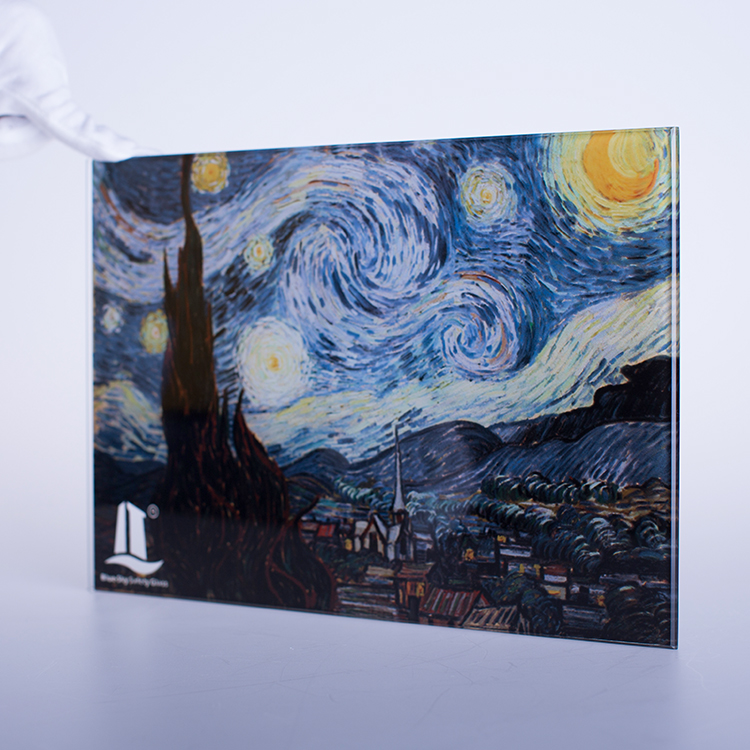
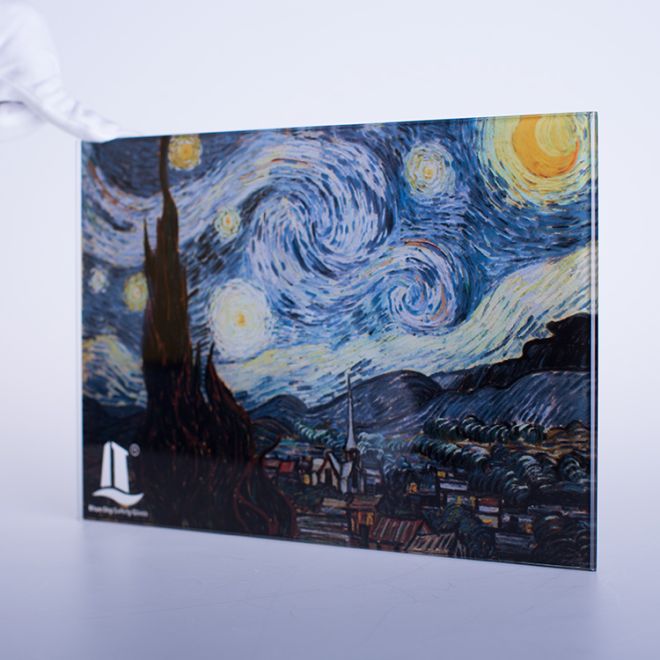
In the realm of glass manufacturing, printing on glass introduces a myriad of possibilities. However, the price associated with printed glass can fluctuate significantly based on design complexity. Customization is key, and manufacturers constantly assess factors such as artwork intricacies, glass shape, and order quantity to determine costing. For exporters, understanding these nuances is crucial to remain competitive in the global market.
Influence of Design Complexity on Costs
Design complexity is one of the pivotal factors in determining the cost of printed glass. Complex designs, which utilize multiple colors and intricate patterns, often require more sophisticated printing technologies and more time, leading to increased costs.
Simple vs. Complex Designs
Simple designs generally involve fewer colors and straightforward patterns, making them quicker and more economical to produce. These designs may cost between $0.50 to $1.00 per square foot depending on the color and design. In contrast, complex designs, potentially involving five or more colors and detailed graphics, can increase costs to upwards of $2.50 to $4.00 per square foot.
Role of Artwork in Pricing Printed Glass
The artwork is a foundational element in printed glass pricing. The complexity of the design, including the number of colors and the level of detail, directly impacts the cost. For manufacturers, mastering artwork preparation is an essential skill to optimize production efficiencies and cost-effectiveness.
Color Variability and Its Impact
Using multiple colors not only increases material costs but also necessitates additional passes through the printing machine, raising labor expenses. On average, each additional color can increase the cost by 15-30% compared to monochrome designs.
Impact of Glass Shape and Size on Pricing
The shape and size of the glass further complicate pricing structures. Manufacturers must consider whether the glass is standard or requires custom-cutting, which affects the overall price due to additional labor and material costs.
Standard vs. Custom Shapes
Standard shapes, such as rectangles and circles, are generally cheaper to produce. Conversely, custom shapes or sizes, especially those needing precision cutting or CNC machining, can add 20-50% to the base cost of production. For example, a standard 24x36 inch rectangle might cost $100, while a custom irregular shape of similar area could easily reach $150.
Order Quantity and Its Effect on Cost
Economies of scale play a critical role in the cost per unit of printed glass. Larger orders allow manufacturers to spread fixed costs such as setup and design fees over more units, reducing the per-unit price.
Economies of Scale in Printed Glass Production
For orders exceeding 1,000 units, exporters can typically negotiate a 10-20% discount on standard designs. Custom designs may see a smaller discount due to the increased time and resource investment required, typically about a 5-10% reduction per unit for similar quantities.
Screen Printing vs. Digital Printing Technologies
Both screen printing and digital printing are viable methods for transferring designs to glass, each with its cost structures and suitable applications.
Cost Implications of Screen Printing
Screen printing is cost-efficient for large runs with simpler designs. It frequently has a lower setup cost for long production runs but becomes more expensive per unit for shorter runs due to setup time.
Advantages of Digital Printing
Digital printing is ideal for custom and detailed designs, offering flexibility and precision. Although it has a higher initial cost, its versatility makes it cost-effective for short runs, with prices varying by 15-25% based on complexity.
Material and Finish Considerations
The choice of glass material and its finish can significantly affect pricing. Manufacturers consider these factors closely when providing quotes to ensure quality while maintaining competitive pricing.
Low-Iron vs. Standard Glass
Low-iron glass, prized for its clarity, often increases costs by 10-30% compared to standard glass due to its enhanced visual properties and manufacturing complexities.
Value-Added Features in Printed Glass
Value-added features, such as anti-glare coatings, UV protection, or added textures, can significantly impact the price of printed glass. These enhancements not only improve functionality but also add aesthetic value.
Pricing of Additional Features
Each additional feature generally adds 5-15% to the overall cost, contingent upon the feature complexity and application process. Anti-glare coatings, for example, might add $0.20 per square foot, whereas specialized textures could add $0.50 per square foot.
Customization and Its Pricing Implications
Customization is a double-edged sword in pricing structures, offering differentiation at a cost. For manufacturers, providing customized options is essential to meeting client needs while balancing budget constraints.
Customization Costs and Negotiation
Customizations that involve significant changes to standard processes or materials can increase project costs by up to 30%. Negotiating terms with manufacturers and exporters can sometimes lead to more favorable pricing, especially for high-volume orders.
Conclusion: Balancing Design and Budget
Mastering the delicate balance between design complexity and budget can significantly impact the feasibility and cost-efficiency of printed glass projects. For those in the industry, it is essential to understand the various factors that influence price to make informed purchasing decisions.
BLUE-SKY Provide Solutions
To manage cost effectively while maintaining design integrity, consider opting for streamlined design elements that simplify production without sacrificing aesthetic appeal. Engage with manufacturers to explore batch production for economies of scale. Exporters should work closely with custom glass manufacturers to identify cost-effective solutions for intricate designs. Emphasize open communication with suppliers to navigate potential constraints and ensure a successful, budget-friendly outcome.
User hot search: printed glass price