Introduction to Digital Glass Printing Technologies
In the world of digital printing, glass printing is a unique field that combines artistry with technological advancements. The innovations in this sector are remarkable, as they allow custom, wholesale, and manufacturer-based solutions to be implemented efficiently. Digital glass printing involves directly applying designs onto glass surfaces using cutting-edge printing technologies, and it offers unparalleled color, speed, and quality.
Types of Glass Used in Digital Printing
Soda Lime Glass
Soda lime glass is the most prevalent type in the market, constituting about 90% of glass products. Its composition is primarily silica, mixed with soda and lime, making it ideal for products such as window panes, containers, and drinkware.
Borosilicate Glass
Borosilicate glass is known for its high resistance to thermal shock. It includes boron as part of its composition, making it suitable for laboratory equipment and cookware that require heat resistance.
Tempered Glass
Tempered glass is notable for its safety features, such as shattering without producing sharp shards. This quality makes it a popular choice for applications like vehicle windows and shower doors.
Surface Preparation Techniques for Printing
Importance of Pre-treatment
The preparation of glass surfaces is critical for ensuring high-quality print adhesion. Given glass's smooth, non-porous, and reflective characteristics, it can be challenging to achieve the right ink adhesion without proper surface preparation techniques.
Common Pre-treatment Methods
- Flame Treatment: Involves exposing the glass to an open flame, enhancing surface energy for better ink adhesion.
- Chemical Primers: Used to create a chemically receptive surface for the ink.
- Mechanical Abrasion: Light sanding or etching to increase surface roughness.
Hot End vs. Cold End Coating
Hot End Coating
In hot end coating, a thin layer of tin chloride is applied while the glass is still warm from the forming process. This layer improves durability and resistance to scratching.
Cold End Coating
After the glass cools, cold end coating is applied. This process typically involves spraying or vapor coating to protect the glass from scratches during handling and transport.
UV Printing Technology in Glass Printing
UV printing is a significant advancement in digital glass printing, utilizing ultraviolet light to cure or dry the ink instantly as it is printed. This technology offers several advantages, including the ability to print directly onto non-porous substrates like glass, creating durable and vibrant designs. The use of UV inks makes this method ideal for high-resolution, full-color prints.
Pre-treatment Solutions for Glass Printing
Printable UV Primer
Printable UV primers are applied directly to the surface of the glass where the ink will be deposited, ensuring maximum adhesion and minimizing waste. These primers are crucial for achieving the desired print quality and durability.
Proprietary Solutions
Manufacturers often develop proprietary pre-treatment solutions that cater to specific printing needs. These can be customized for different types of glass and varying production requirements, ensuring a versatile approach to glass printing.
Decal, Pad, and Screen Printing on Glass
Decal Printing
Decal printing involves applying pressure-sensitive or heat-transfer decals to glass surfaces. This method is popular for its ease of application and ability to produce detailed designs.
Pad Printing
Pad printing is suitable for low-to-medium volume production, using a silicone pad to transfer ink from an etched plate onto the glass surface. This process can accommodate up to six colors, making it suitable for logos and simple designs.
Screen Printing
Screen printing can handle up to ten colors, making it a versatile option for more intricate designs. It is best suited for medium-to-high volume productions.
Choosing the Right Printing Equipment
Flatbed vs. Roll-to-Roll Printers
Flatbed printers are ideal for printing on large, flat glass surfaces, while roll-to-roll printers cater to flexible glass media and continuous production needs. Choosing the right equipment depends on the size and scale of the production requirements.
Printer Specifications
For small-scale and small-size projects, printers with a print range of 20x30 cm to 30x40 cm are adequate. Larger projects may require printers with ranges of 40x60 cm to 60x90 cm to accommodate high-volume demands efficiently.
Innovative Applications of Glass Printing
Custom and Wholesale Solutions
Glass printing technology offers custom solutions for various applications, from corporate branding and logos to personalized gifts and awards. Wholesale manufacturers can benefit from the ability to quickly produce high-quality prints on a large scale.
Architectural and Interior Design
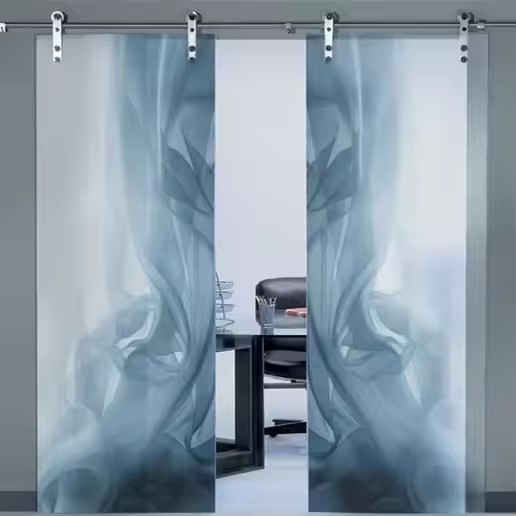
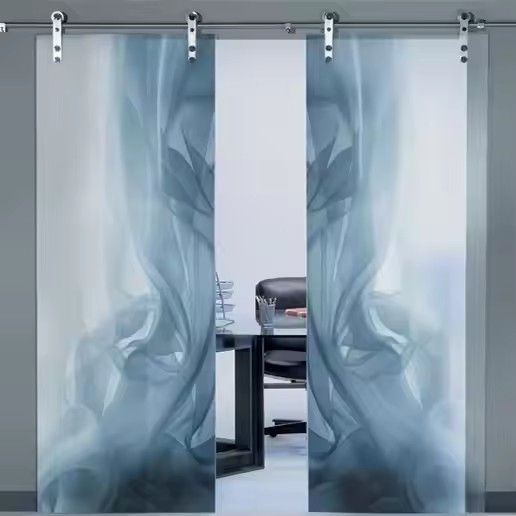
The use of printed glass in architectural projects and interior design is increasingly popular, allowing for the creation of unique decorative elements such as custom glass panels and textures.
Future Trends in Digital Glass Printing
The future of digital glass printing technology is promising, with continued advancements in ink formulations, printer capabilities, and surface treatments. These developments will support more sustainable practices and expand the creative possibilities for custom, wholesale, and manufacturer applications.
BLUE-SKY Provide solutions
For businesses seeking to enhance their glass printing processes, BLUE-SKY offers comprehensive solutions tailored to custom, wholesale, and manufacturer needs. Our expertise in pre-treatment, advanced UV printing technologies, and equipment selection positions us as a leader in the digital glass printing industry. Whether the requirement is for small-batch custom orders or large-scale wholesale production, we provide the tools and knowledge necessary to succeed. Contact BLUE-SKY for customized solutions that meet your specific needs and elevate your glass printing capabilities.
User hot search: modern digital glass printing design