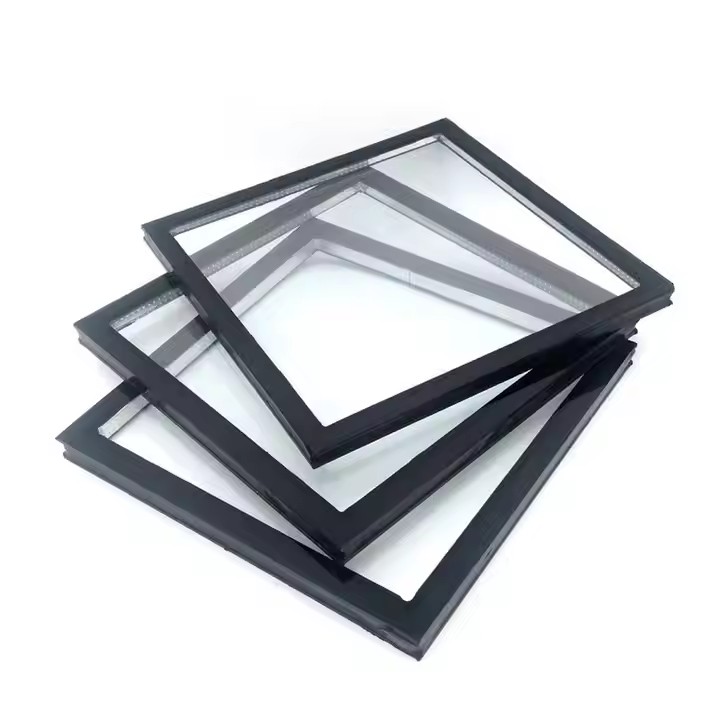

Understanding double glazed glass walls
What are Double Glazed Glass Walls?
Double glazed glass walls consist of two layers of glass separated by a spacer, typically filled with air or inert gas like argon. This construction significantly enhances their insulating properties compared to single glazed glass. The separation between the glass layers acts as a thermal barrier, reducing heat transfer.
Key Components and Materials
The effectiveness of double glazed glass walls depends on materials such as low-emissivity (Low-E) coatings, gas fills, and the spacer. Low-E coatings minimize heat transfer, while argon or krypton gas fills improve thermal performance. The spacer maintains structural integrity and further reduces heat loss.
Mechanisms of Thermal Insulation
Reducing Heat Transfer
Double glazed glass walls reduce heat transfer through conduction, convection, and radiation. The air or gas layer acts as an insulator, slowing down heat movement between the inner and outer glass layers. This can lead to a 50-70% reduction in heat loss compared to single glazing.
Energy Efficiency Parameters
Energy efficiency is measured in terms of U-value and R-value. Double glazing typically has a U-value of 1.6-2.0 W/m²K, compared to 5.0-6.0 W/m²K for single glazing, indicating better insulation. A lower U-value means improved energy conservation, leading to reduced energy costs.
Energy Efficiency Benefits
Cost Savings on Heating and Cooling
By minimizing unwanted heat loss and gain, double glazed glass walls enable significant savings on energy bills. With potential reductions in heating and cooling costs by up to 30%, they offer a compelling return on investment, especially for wholesale buyers and manufacturers.
Impact on Building Sustainability
Energy-efficient buildings contribute to sustainability by minimizing carbon footprints. Double glazing reduces reliance on HVAC systems, lowering emissions and aligning with green building standards. Exporters of energy solutions increasingly prioritize double glazing for eco-conscious construction projects.
Noise Reduction Capabilities
Acoustic Insulation Properties
Double glazed glass walls are not just thermal insulators; they also provide soundproofing benefits. The air gap and glass thickness reduce noise penetration, with sound reduction indices reaching up to 45 dB, improving indoor tranquility in bustling urban environments.
Applications in Urban Areas
For manufacturers and builders, offering solutions that address urban noise pollution is essential. Double glazed glass walls are ideal for residential and commercial projects in noisy areas, enhancing the marketability of buildings for tenants seeking peace and quiet.
Environmental Impact and Sustainability
Reducing Carbon Footprint
By improving energy efficiency, double glazed glass walls contribute to reduced carbon footprints. They decrease dependence on fossil fuels, thus playing a role in sustainable development initiatives. Exporters engaged in global markets recognize the need for environmentally friendly construction materials.
Life Cycle and Recyclability
The lifespan of double glazed glass walls can exceed 20 years with proper maintenance. At the end of their lifecycle, glass and aluminum components can be recycled, enhancing their appeal to environmentally conscious buyers and manufacturers committed to circular economy principles.
Improving Comfort and Indoor Climate
Maintaining Consistent Indoor Temperatures
Double glazed glass walls help maintain a stable indoor climate by reducing drafts and cold spots. This leads to improved thermal comfort, essential for residential and commercial properties where occupant wellbeing is prioritized by builders and manufacturers.
Enhancing Natural Light without Heat Gain
Low-E coatings allow optimal light transmission while blocking infrared and ultraviolet rays. This ensures that homes and offices remain bright and airy without excessive heat gain, appealing to exporters and wholesale suppliers focused on human-centric design solutions.
Durability and Longevity of Double Glazed Walls
Material Resilience and Maintenance
Double glazing is designed for durability, resisting weathering, moisture, and condensation. With appropriate maintenance, such as sealing checks and cleaning, these glass walls can last decades, offering long-term value to buyers in the wholesale and export markets.
Performance Under Extreme Conditions
In regions with harsh climates, double glazed glass walls withstand temperature variations and inclement weather. This resilience is crucial for manufacturers and suppliers servicing areas with demanding environmental conditions, ensuring reliable performance year-round.
Installation and Maintenance Considerations
Installation Best Practices
Proper installation is critical for maximizing the insulation benefits of double glazed glass walls. Installers must ensure airtight seals and correct alignment to prevent leaks, essential for maintaining thermal and acoustic performance for wholesale distributors and end-users.
Maintenance Tips for Longevity
Regular inspections of seals and frames are recommended to preserve the integrity of double glazed walls. Simple maintenance practices, such as cleaning and seal replacement, enhance longevity, making them a smart investment for manufacturers and property developers.
Comparing Single vs Double Glazed Glass
Thermal and Acoustic Efficiency
Double glazed glass offers superior insulation and soundproofing compared to single glazed variants. Energy savings, reduced noise levels, and comfort make it a preferred choice for manufacturers and exporters looking to supply high-performance glazing solutions.
Cost Implications and Return on Investment
While the upfront cost of double glazing is higher, the long-term savings on energy costs and increased property value justify the investment. Wholesale buyers and building planners consider these factors when selecting materials for large-scale projects.
Trends and Innovations in Double Glazing
Technological Advancements
Emerging technologies, such as smart glazing and vacuum-insulated glass, continue to push the boundaries of double glazing performance. These innovations offer enhanced thermal and acoustic properties, capturing the interest of exporters and manufacturers worldwide.
Market Growth and Opportunities
The demand for energy-efficient solutions drives the growth of the double glazing market. Wholesale manufacturers and suppliers see opportunities in retrofitting existing buildings and developing new constructions that meet stringent energy codes.
BLUE-SKY Provide Solutions
BLUE-SKY offers tailored solutions for maximizing insulation with double glazed glass walls. By partnering with leading manufacturers and exporters, we ensure access to high-quality, durable products that meet the needs of diverse construction projects. Our expertise extends to advising on installation best practices and long-term maintenance strategies, ensuring optimal performance. With a commitment to sustainability and innovation, BLUE-SKY stands ready to support your journey towards energy-efficient building solutions.