
Wholesale insulated glass - Manufacturer, Supplier, Exporter
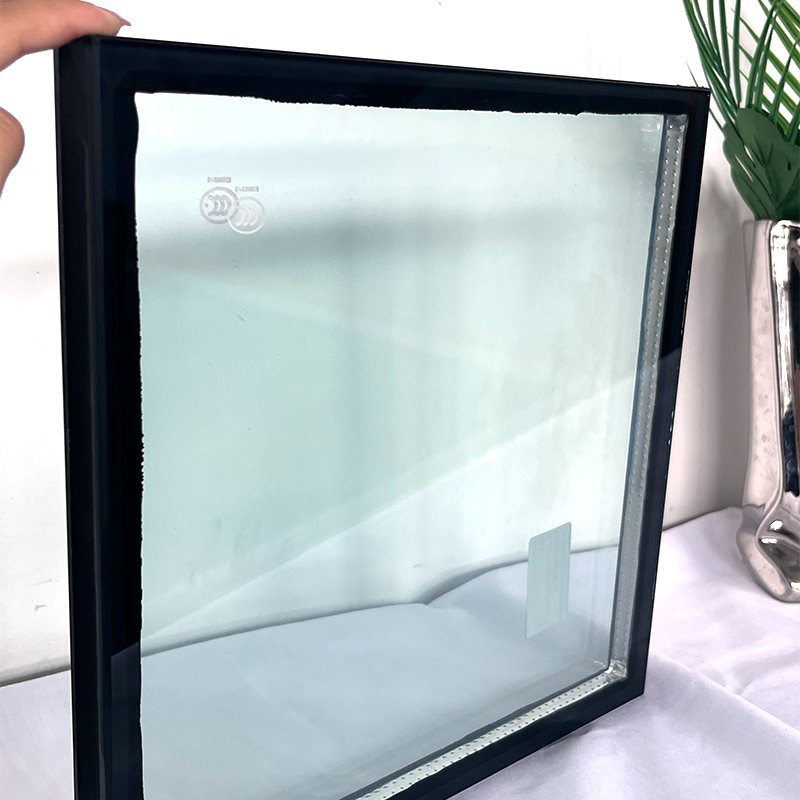
Insulated glass improves energy savings, reduces noise, limits condensation, increases comfort, protects interiors, and supports sustainable building performance in homes and commercial projects.
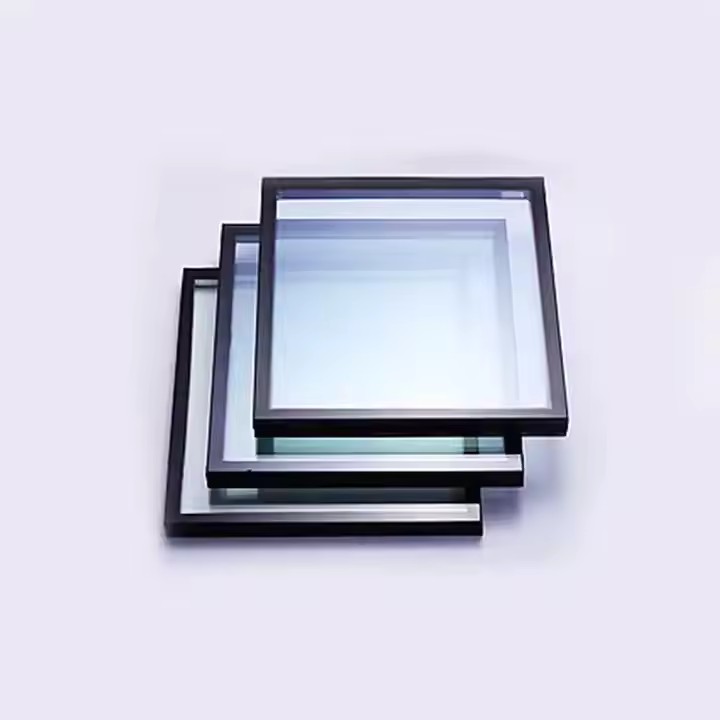
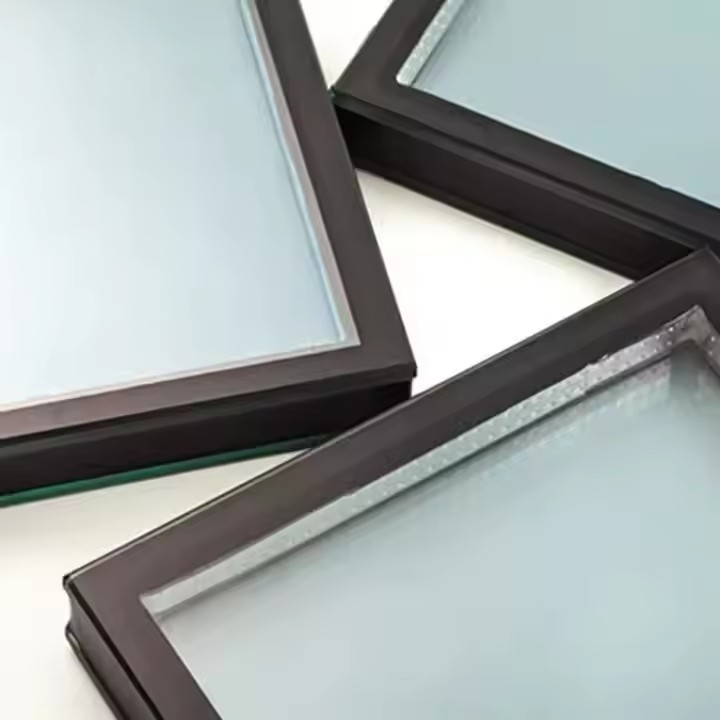
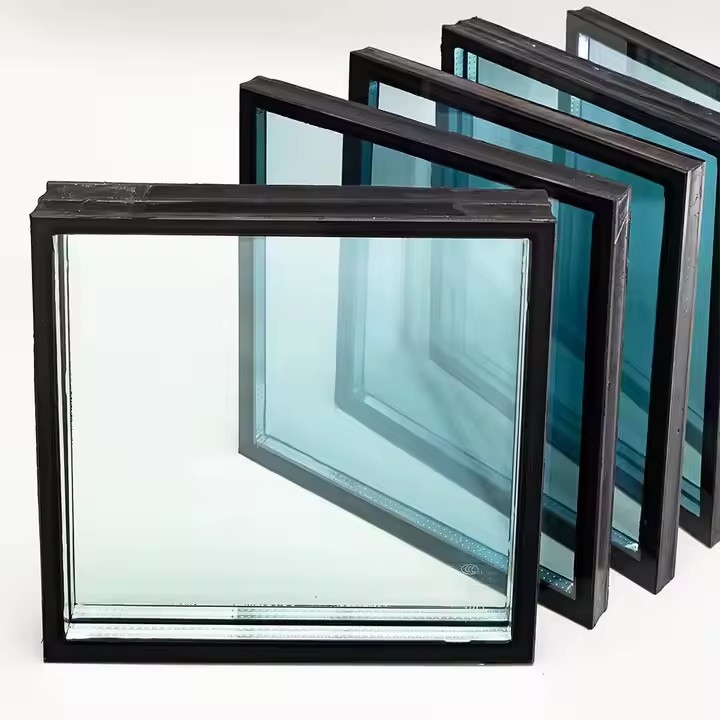
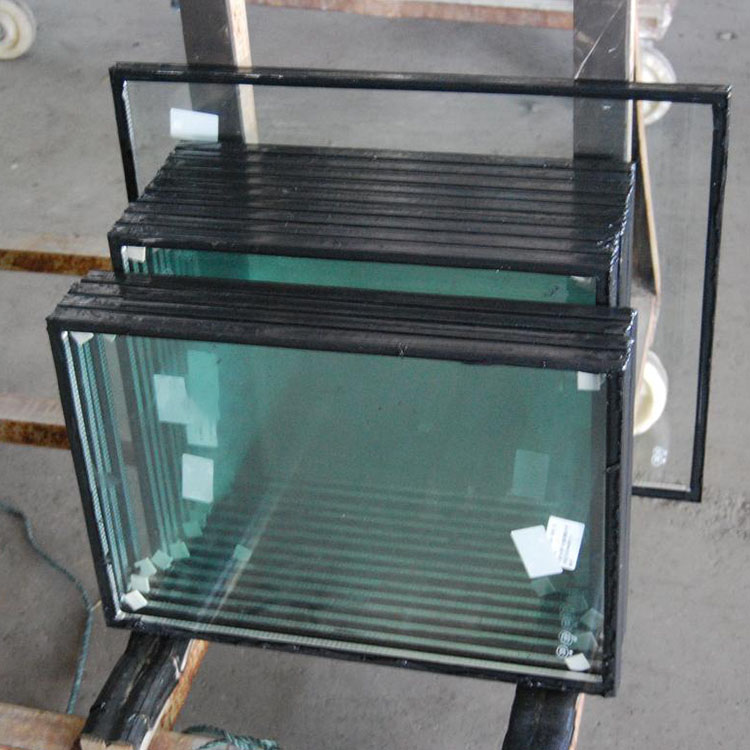
Insulated glass uses two or more panes with a sealed air or gas space. It improves thermal insulation, noise control, safety, and reduces condensation while keeping indoor spaces bright and comfortable.
As a Custom insulated glass Supplier, we offer tailored sizes, coatings, and spacers, fast delivery, strong quality control, flexible order volumes, expert technical support, and reliable after‑sales service.
Design cases – Modern residences
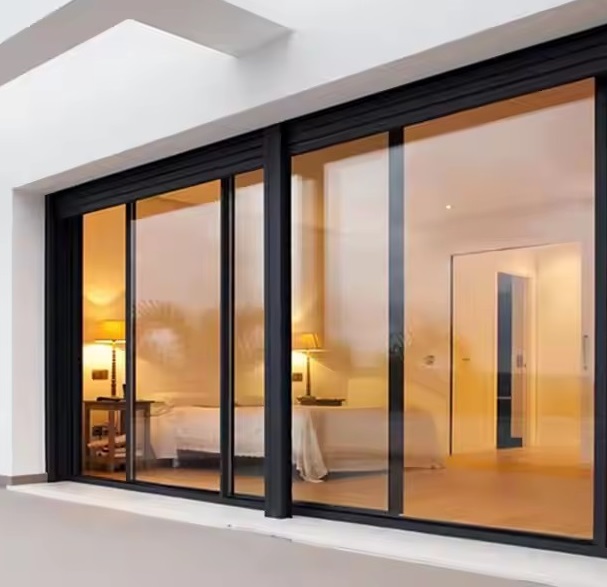
- We supplied custom insulated glass for a modern home with large windows facing a busy street. The glass reduced traffic noise and cut energy use while keeping the living room bright. Slim frames and low‑E coatings helped the architect balance clean design and high performance.
Design cases – Commercial façades
- For an office tower, we used high‑performance insulated glass units with solar control coatings. The façade kept glare low and maintained clear views. Building managers reported lower cooling costs and better comfort for staff, even on sunny days, while meeting local energy rules.
Design cases – Skylights and atriums
- In a retail atrium, our insulated glass skylights delivered natural light without overheating. We combined safety glass and warm‑edge spacers to limit heat loss and condensation. The result was a bright, inviting space that stayed comfortable in both winter and summer.
Testing standards – Thermal and sound performance
- We test thermal performance according to EN and ASTM standards, checking U‑value and solar heat gain. Acoustic tests follow common lab methods to verify sound reduction levels. These tests ensure each insulated glass unit meets design demands for comfort and energy savings in real buildings.
Testing standards – Safety and durability
- Safety glass used in insulated units is tested for impact resistance and breakage patterns. Durability tests include seal strength, gas retention, and moisture resistance. We also run UV and temperature cycle tests to confirm the glass can handle long‑term outdoor exposure without losing performance.
Testing standards – Quality control on production lines
- On the production line, we use visual checks, spacer dimension checks, and sealant thickness control. Random samples are tested for argon fill and dew point. This steady monitoring keeps product quality stable from batch to batch and reduces the risk of fogging in use.
Industry trends – Energy efficiency focus
- More projects now use low‑E and triple insulated glass to meet strict energy codes. Developers want lower heating and cooling bills and better comfort. This trend drives demand for smarter combinations of coatings, gas fills, and spacer systems tailored to climate zones.
Industry trends – Smart and integrated glass
- Insulated glass is increasingly paired with smart glass technologies, such as switchable tint and integrated blinds. These systems help control daylight and privacy without heavy curtains. Designers use them in offices, hotels, and homes where flexible light control adds value and saves energy.
Industry trends – Sustainable materials and recycling
- The industry is moving toward warm‑edge spacers, low‑VOC sealants, and more recyclable parts. Green building certifications push glass makers to reduce carbon footprint. Custom insulated glass solutions now often include life cycle thinking, from raw materials to end‑of‑life reuse and recycling options.
User Hot Search:8mm tempered glass, glazed sliding doors, interior glass partitions, tempered glass doors.
Related Products


Top Selling Products


- Related Blog
- Reviews
