Introduction to Glazing Types
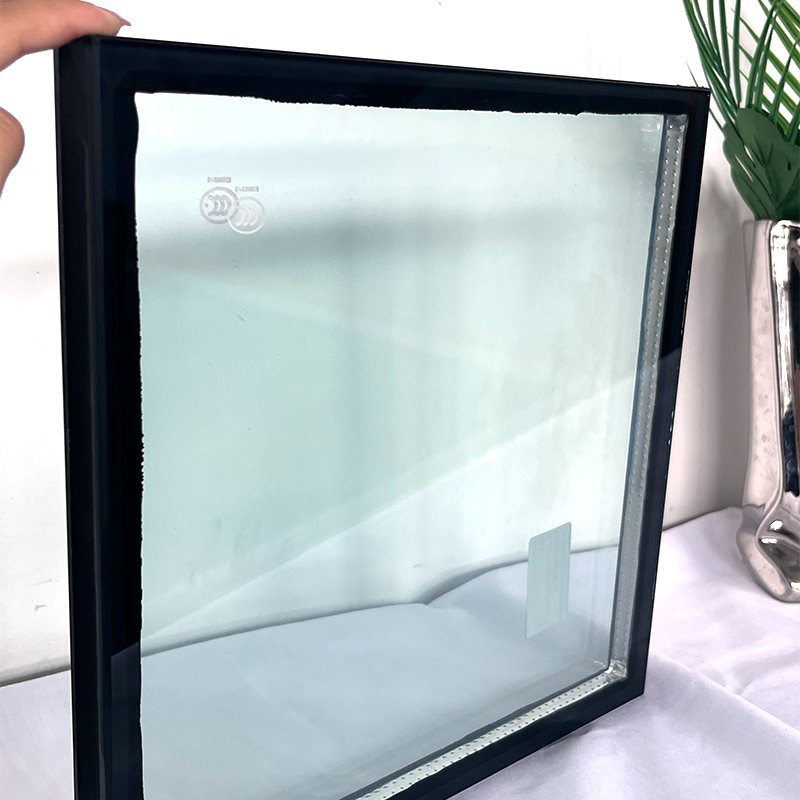
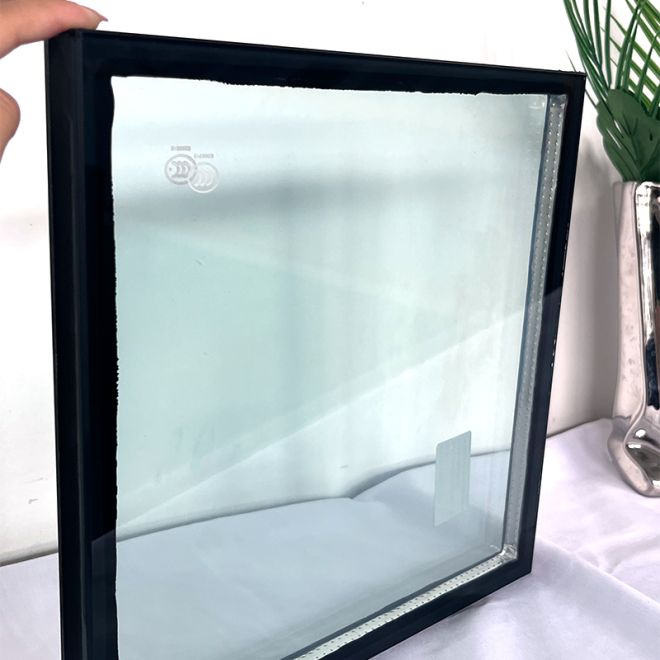
When it comes to deciding between single and double glazing, homeowners are often faced with numerous considerations. A single-glazed window consists of one pane of glass, while a double-glazed window features two panes with an insulating layer of air or gas like argon between them. This fundamental difference impacts everything from energy efficiency to cost, and understanding these distinctions is crucial for making an informed choice. For custom window solutions, manufacturers and exporters provide both glazing options to fit any architectural style.
Energy Efficiency Comparison
single glazing Energy Performance
Single glazing is typically less energy-efficient due to its single pane of glass. The thermal transmittance (U-value) of single-glazed windows generally ranges from 5.0 to 5.8 W/m²K, indicating higher heat loss. This can result in increased heating and cooling costs, as the window is less effective at maintaining a stable indoor temperature.
Double Glazing Energy Performance
Double glazing offers a significant improvement in energy efficiency. The U-value for double-glazed windows can be as low as 1.1 to 1.4 W/m²K, thanks to the insulating layer. This means that homes with double glazing require less energy for heating and cooling, leading to reduced energy bills. Many custom manufacturers and exporters prioritize these features due to their demand in energy-efficient construction.
Noise Reduction Capabilities
Single Glazing and Acoustic Insulation
Single-glazed windows often fall short in noise reduction, with sound transmission class (STC) ratings typically around 26 to 28. This is suitable for areas with minimal external noise, but offers little insulation against louder environments, such as cities or near highways.
Double Glazing and Acoustic Insulation
Double-glazed windows excel in reducing noise pollution, with STC ratings ranging from 30 to 38. The dual-pane design significantly dampens external sounds, making them ideal for urban settings. Custom manufacturers often highlight this feature for clients in noise-sensitive areas.
Condensation and Moisture Control
Challenges with Single Glazing
Condensation is a common issue with single-glazed windows. The lack of insulation often leads to temperature differentials that cause moisture buildup on the glass. This can lead to issues such as mold growth and compromised window integrity over time.
Advantages of Double Glazing
Double glazing's insulating properties reduce the occurrence of condensation. The air gap between panes acts as a thermal barrier, maintaining a warmer surface temperature on the interior pane, thereby minimizing moisture-related problems. This makes double glazing a preferred choice for manufacturers aiming to provide long-lasting window solutions.
Security and Safety Features
Security Limitations of Single Glazing
Single-glazed windows offer minimal security. The single pane is more susceptible to breakage, making it easier for unauthorized access. This can be a significant concern for safety-conscious homeowners or those in high-risk areas.
Enhanced Security of Double Glazing
Double-glazed windows improve security with their dual-pane construction, which is more resistant to impact. Many manufacturers include laminated or toughened glass in double-glazed units to further enhance safety, catering to clients seeking robust, secure window systems.
Installation and Maintenance Needs
Installing and Maintaining Single Glazed Windows
Single-glazed windows are generally easier and cheaper to install due to their simplicity. However, their maintenance needs are higher, as their lower durability often necessitates more frequent repairs or replacements.
Installing and Maintaining Double Glazed Windows
Double glazing requires a more involved installation process due to the complexity of its design. Despite this, it often results in lower maintenance over time thanks to its durability and resistance to wear. Exporters often recommend double-glazed solutions for long-term cost efficiency.
Longevity and Durability
Durability of Single Glazing
Single-glazed windows, while less durable overall, can last between 10 to 15 years with proper maintenance. Damage to the glass can compromise their lifespan, leading to replacements more frequently compared to double-glazed units.
Durability of Double Glazing
Double-glazed windows can last upwards of 20-25 years, owing to their robust construction. Many custom manufacturers design these windows with longevity in mind, utilizing high-quality materials that enhance the lifespan and reduce the need for replacement.
Suitability for Various Architectural Styles
Single Glazing in Traditional Architecture
Single-glazed windows often suit traditional or historical buildings where maintaining original aesthetics is essential. They are a common choice in restoration projects, where authenticity is prioritized over modern efficiency.
Double Glazing in Contemporary Architecture
Double glazing is well-suited for modern architecture, offering sleek designs and improved performance. Manufacturers frequently work with architects to provide custom solutions that align with contemporary styles without compromising on efficiency and performance.
Initial and Long-term Costs
Cost Analysis of Single Glazing
Single-glazed windows are typically less expensive upfront, with prices ranging from $100 to $300 per window, depending on size and quality. However, the long-term costs can add up due to higher energy use and maintenance needs.
Cost Analysis of Double Glazing
While double-glazed windows have a higher initial cost, typically between $200 to $600 per window, they provide significant savings over time through reduced energy bills and maintenance costs. Many exporters emphasize these long-term benefits to cost-conscious clients.
Environmental and Climate Considerations
Environmental Impact of Single Glazing
Single-glazed windows generally have a greater environmental impact due to their higher energy consumption. The increased demand for heating and cooling contributes to higher carbon emissions, a consideration for eco-conscious homeowners.
Environmental Benefits of Double Glazing
Double glazing is favored for its reduced environmental footprint. By enhancing energy efficiency, it helps lower household carbon emissions. Custom solutions often integrate sustainable materials and practices, appealing to environmentally aware customers.
BLUE-SKY Provide Solutions
For those looking to improve energy efficiency and security within their homes, the choice between single and double glazing is significant. Double-glazed windows offer superior performance in areas such as insulation, noise reduction, and durability, making them a worthwhile investment for many homeowners. Whether you're searching for custom designs or looking to collaborate with leading manufacturers and exporters, BLUE-SKY offers comprehensive solutions to meet your needs. Our expertise in modern glazing systems ensures that you get the most value and efficiency from your windows. Contact us to explore how we can assist in upgrading your home with the best glazing technology available.