Introduction to Safety Glass
In the world of construction and design, safety glass is an essential component. It is not only about aesthetics but primarily about protecting people from potential hazards. Safety glass is designed to minimize injury if it breaks, thanks to its unique processing techniques. Two types of safety glass often discussed are tempered glass and heat-strengthened glass. Though both types are engineered to provide added strength and safety, their characteristics, uses, and manufacturing processes differ significantly.
Characteristics of Tempered Glass
Strength and Safety Features
Tempered glass is known for its high strength and safety features. It is approximately four to five times stronger than standard annealed glass. This type of glass is designed to shatter into small, blunt pieces that reduce the risk of injury if broken. It is exceptionally resistant to thermal stress, maintaining its integrity even under rapid temperature fluctuations.
Applications and Benefits
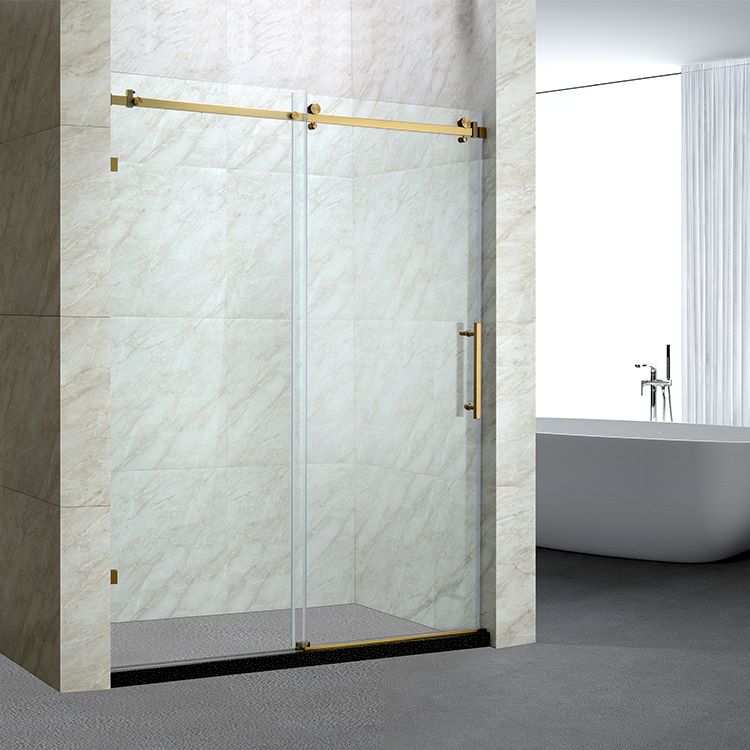
Due to its enhanced safety features, tempered glass is widely used in environments where human safety is a priority. This includes applications in car windows, shower doors, and architectural panels. Additionally, because of its ability to withstand high thermal stress, it is often found in applications such as glass doors for ovens and other heat-related uses. Being a popular choice among wholesale, manufacturer, and exporter circles, tempered glass is favored for its blend of strength and safety.
Characteristics of heat strengthened glass
Intermediate Strength and Stress Resistance
Compared to tempered glass, heat-strengthened glass offers intermediate strength—about twice as strong as annealed glass but not as robust as tempered glass. While it doesn’t have the same safety shatter properties as tempered glass, it is more resistant to thermal breakage and can withstand greater loads before breaking.
Usage and Limitations
- Heat-strengthened glass is commonly used in situations where higher strength than annealed glass is required, but the risks of breakage do not justify the use of tempered glass.
- It is often used in applications that require durability under thermal stress but do not mandate the extreme safety measures that tempered glass provides.
- Common applications include curtain walls, facades, and spandrel glass.
Comparison of Manufacturing Processes
Heating and Cooling Techniques
The key difference between tempered and heat-strengthened glass lies in their manufacturing processes. Both types of glass undergo a thermal treatment that involves heating the glass to over 600 degrees Celsius. However, the cooling process differs; tempered glass is rapidly cooled using high-pressure air, leading to higher compressive stress on the surfaces. Heat-strengthened glass, in contrast, undergoes a slower cooling process that induces lower surface compressive stress.
Impact on Material Properties
These differences in the manufacturing process result in varied material properties. The rapid cooling of tempered glass makes it much stronger and more resistant to breakage. However, the slower cooling process used for heat-strengthened glass provides adequate strength with less risk of spontaneous breakage due to inclusions like nickel sulfide.
Strength and Durability Aspects
Stress Distribution and Performance
Tempered glass features higher surface compression levels, around 69 megapascals (MPa), compared to approximately 24 MPa in heat-strengthened glass. This results in tempered glass exhibiting superior compressive strength and the ability to withstand higher mechanical and thermal stress. Heat-strengthened glass, while not as strong, offers better performance under gradual loads and is less prone to spontaneous breakage.
Long-Term Durability
Both glass types are durable, but tempered glass typically has a more extended service life under conditions of high stress due to its superior strength. However, the absence of surface stress relaxation in heat-strengthened glass can make it more stable over prolonged exposures to lower stress levels, making it a practical choice for specific applications.
Applications of Tempered Glass
Industry Use and Suitability
The robust nature and safety profile of tempered glass make it ideal for high-impact environments. It is the standard choice in industries where public safety is paramount, such as automotive manufacturing for side and rear windows. In addition, it is widely used in electronic device screens, storefront doors, and as a structural element in building facades.
Consumer and Commercial Applications
Tempered glass is frequently found in consumer products due to its attractive safety features. From tabletops to home appliances, its usage spans various consumer-focused applications. Several manufacturers, exporters, and wholesalers prefer it because of its toughness and shatterproof properties that meet international safety standards.
Applications of Heat Strengthened Glass
Architectural and Structural Uses
The architectural sector favors heat-strengthened glass for projects where both strength and stability are required, but the safety of tempered glass is unnecessary. Facades, curtain walls, and skylights often incorporate heat-strengthened glass due to its stress resistance and ability to endure substantial loads.
Cost-Effective Solutions
For projects where budget constraints are vital, heat-strengthened glass serves as a cost-effective alternative to tempered glass. While not offering the same safety features, it still provides increased strength compared to annealed glass, making it attractive for several commercial applications.
Safety and Performance Considerations
Impact Resistance and Fragmentation
The fragmentation pattern of tempered glass—into small, blunt pieces—ensures minimum injury risk. Meanwhile, heat-strengthened glass breaks into larger, sharper pieces, resulting in higher injury risk. Safety regulations often dictate the type of glass to be used based on potential hazard exposure.
Thermal Performance
Thermal performance is a critical factor where high-temperature exposure is frequent. Tempered glass can withstand thermal shocks up to 250 degrees Celsius, making it suitable for environments with fluctuating temperatures. Heat-strengthened glass is also effective but with lesser resistance compared to tempered versions.
Cost and Economic Factors
Price Comparison
Tempered glass generally costs more than heat-strengthened glass due to the intricate manufacturing processes and enhanced safety features. This cost difference can significantly impact large-scale projects, where bulk purchase from a manufacturer or distributor is necessary.
Economic Advantages in Specific Applications
In situations where the enhanced safety features of tempered glass are not required, heat-strengthened glass provides an economical solution. Its use can help manage budget constraints while still offering increased durability and performance over basic glass types.
Choosing the Right Glass for Projects
Analyzing Project Requirements
When selecting between tempered and heat-strengthened glass, it is vital to assess the project's specific requirements. Considerations should include safety standards, thermal stress exposure, budget constraints, and durability needs. A comprehensive analysis helps in making an informed decision.
Consulting with Experts
Working with experienced manufacturers, exporters, and wholesalers can provide valuable insights. They can recommend glass types tailored to particular needs, ensuring both safety and cost-effectiveness in compliance with international standards.
BLUE-SKY Provide Solutions
BLUE-SKY offers a comprehensive solution for selecting the appropriate safety glass based on your project requirements. By understanding the specific environmental conditions and performance expectations, we provide recommendations that balance safety, durability, and cost-effectiveness. Our partnerships with leading manufacturers and exporters guarantee quality and compliance with industry standards. Whether you need tempered or heat-strengthened glass, BLUE-SKY ensures that you receive top-tier products suited to your needs, fostering safety and reliability across applications.