

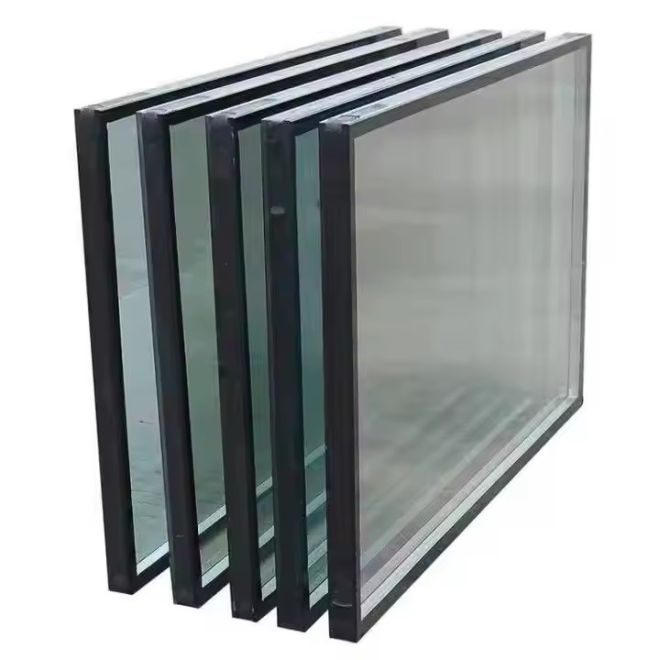
Definition of Glazing Types
Triple glazing consists of three panes of glass separated by air or gas-filled spaces, offering enhanced insulation and acoustical benefits. Secondary glazing involves installing an additional pane inside an existing window, creating a double-glazed effect that enhances thermal and sound insulation. Both options are available through custom and wholesale suppliers, each providing unique advantages depending on the application.
Fundamentals of Noise Reduction
Noise reduction in glazing is primarily achieved through sound insulation and absorption techniques. The efficiency of a window system in reducing noise is measured using the Sound Transmission Class (STC) rating. The higher the STC value, the better the window is at blocking sound.
Sound Transmission Mechanisms
Sound leaks through windows via gaps, the vibrational transfer through glass, and air motion within cavities. Addressing these pathways is crucial for achieving effective noise reduction. Both triple and secondary glazing mitigate sound transmission but operate differently based on their design and installation.
Construction and Composition of Triple Glazing
Triple glazing features three layers of glass, which effectively buffer sound by disrupting its path. This setup not only enhances thermal insulation but also significantly improves acoustic properties.
Material Considerations and Layering
The construction typically involves glass panes separated by spacers and filled with gases like argon or krypton. The added layer enhances the STC rating, often reaching values between 35 to 45, depending on glass thickness and gas type. The specific configuration can be customized to meet particular noise reduction needs provided by various suppliers.
Design and Structure of Secondary Glazing
Secondary glazing is installed as an additional layer inside an existing window, creating an independent cavity that acts as a sound barrier. This solution is particularly useful in historical buildings where existing window structures must be preserved.
Retrofitting and Acoustic Benefits
The installation of secondary glazing can be customized to fit irregular window shapes and sizes. By adding a separate frame and glass pane, it effectively traps sound and reduces noise intrusion. Secondary glazing can achieve STC ratings between 40 to 50, depending on the gap width and glass thickness used.
Comparative Acoustic Performance
When comparing the acoustic performance of triple and secondary glazing, it's essential to consider the sound frequency and amplitude.
STC Ratings and Applications
Triple glazing generally offers an STC rating of 35 to 45, making it suitable for moderate noise reduction needs. In contrast, secondary glazing can exceed this, with ratings reaching up to 50, making it ideal for high-noise environments. For custom noise reduction requirements, suppliers can adjust the gap width and glass specifications accordingly.
Thermal Efficiency and Energy Impact
While noise reduction is a primary focus, thermal efficiency is an added benefit of both glazing types. These glazing solutions help reduce energy loss, contributing to improved building energy ratings.
Heat Retention and Insulation
Triple glazing is known for superior thermal insulation due to its three-layer construction and insulating gases. Secondary glazing also enhances thermal performance but may vary depending on the gap width and glass type used. Both options can be tailored by wholesale suppliers to maximize energy savings.
Cost Considerations and Budget Implications
Cost is a significant factor influencing the choice between triple and secondary glazing. Understanding the initial investment and potential savings is crucial for making an informed decision.
Price Range and Value Analysis
Triple glazing generally involves a higher initial cost due to materials and installation complexity. Secondary glazing offers a more budget-friendly alternative, especially in retrofitting projects. However, the long-term savings on energy bills and increased property value may justify the higher expense. Custom solutions from suppliers can provide cost-effective options tailored to specific needs.
Installation Complexity and Timeframe
Installation requirements differ significantly between triple and secondary glazing, impacting time and labor costs.
Professional Installation Requirements
Triple glazing requires precision installation, often necessitating professional services to ensure airtightness and performance. Secondary glazing is generally easier to install, particularly in retrofits, and can be completed with minimal disruption. Wholesale suppliers often offer installation services to streamline the process.
Aesthetic and Practical Considerations
The visual and functional aspects of glazing can influence property aesthetics and usability.
Design Flexibility and Maintenance
Triple glazing, often installed as part of new constructions, offers a seamless appearance and requires little maintenance. Secondary glazing, as an add-on, may be more noticeable but offers increased flexibility in design, allowing for customization in heritage buildings. Suppliers can provide various finishes and designs to meet aesthetic preferences.
Conclusion and Final Recommendations
Choosing between triple and secondary glazing for noise reduction involves weighing multiple factors, including acoustic performance, cost, thermal efficiency, and aesthetic impact. Triple glazing is ideal for new builds requiring high thermal and moderate acoustic performance. In contrast, secondary glazing suits retrofits, historical buildings, and areas with significant noise pollution due to its superior STC ratings.
BLUE-SKY Provide solutions
BLUE-SKY specializes in supplying tailored glazing solutions to meet diverse acoustic and thermal needs. Our products, available through custom and wholesale options, offer superior sound insulation and energy efficiency. Whether opting for triple or secondary glazing, our expert team provides consultation and installation services to ensure optimal performance and customer satisfaction. Choose BLUE-SKY for state-of-the-art solutions that enhance comfort and property value, meeting the growing demands for noise reduction and sustainability.
User hot search: triple glazing noise reduction