

You want a stunning pool, not a splash zone for runaway kids, tipsy uncles, and overconfident dogs. But every time you picture a fence, you see prison bars ruining your backyard “resort” dreams.
Glass panel pool fences fix that by keeping everyone safe while staying almost invisible. They meet strict safety rules and reduce drowning risks, as shown in this World Health Organization drowning prevention report.
🏊 How Glass Panel Pool Fences Create a Strong, Transparent Safety Barrier
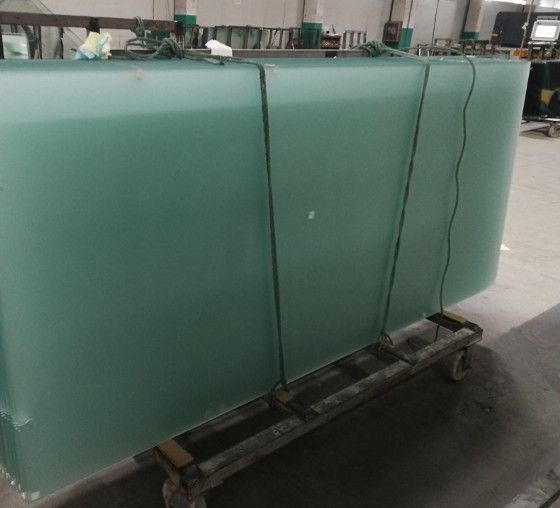
Glass panel pool fences use thick, toughened glass and secure metal hardware to block access to the water while keeping views open and modern.
This clear barrier helps adults watch children easily, reduces climbing risk, and adds style that matches modern doors like a SGCC Certified Tempered Glass Door Double Sliding Shower Doors Frameless system.
1. How the Glass Panels Block Access
Each glass panel acts like a solid wall. There are no footholds or rails for children to climb, so the fence stays hard to cross.
- Full-height glass stops easy climbing
- Strong edge polishing avoids sharp corners
- Panel layout follows pool safety zones
2. Clear Visibility for Easier Supervision
The clear glass makes it simple to see into the pool area from your home, deck, or yard, supporting active adult supervision.
- Unblocked sightlines to swimmers
- No solid walls or slats hiding movement
- Works well with cameras and lighting
3. Corrosion-Resistant Hardware for Outdoor Use
Stainless-steel or powder-coated fittings hold glass securely and resist rust from water, sun, and pool chemicals.
| Part | Main Benefit |
|---|---|
| Spigots | Secure base grip on concrete or decking |
| Clamps | Firm hold without drilling glass faces |
| Top rails (optional) | Extra stiffness in windy areas |
4. Design That Matches Modern Bathrooms
The same clean glass look often appears in products like a Black Walk In Shower Screen, helping you match indoor and outdoor style.
- Minimal frames for a sleek look
- Dark hardware for contrast
- Simple lines that suit many homes
🛡️ Key Safety Features That Make Glass Pool Fences Child-Resistant
Child-resistant glass pool fences rely on self-closing gates, safe latches, correct height, and no climbable gaps to limit unsupervised access.
These features work together to support safety laws and lower the risk of accidents, especially for young children around backyard pools.
1. Self-Closing, Self-Latching Gates
The gate must close and latch by itself every time, even if someone forgets to pull it shut.
- Spring hinges pull gate closed
- Latch engages automatically
- Reduces chance of gate left open
2. Child-Resistant Latch Height
Gate latches sit high and often on the pool side so small children cannot easily reach or operate them.
| Feature | Typical Standard |
|---|---|
| Latch height | At or above 1.5 m (check local code) |
| Latch position | Facing pool side, shielded from kids |
3. Barriers That Reduce Climbing Risks
Good designs remove handholds and footholds near the fence so children cannot use nearby objects to climb over.
- Keep furniture away from fence
- Avoid horizontal bars that act as steps
- Trim trees or shrubs near panels
4. Safety Performance Data (Example)
Simple data views help compare how glass fences improve child safety compared with older styles like chain link or low timber fences.
🔩 Posts, Spigots, and Panels: How Each Part Works Together
Glass pool fences use a simple system: secure base fittings, strong vertical posts or spigots, and heavy glass panels locked together.
This structure spreads loads, resists wind, and keeps the fence stable for daily use around the pool.
1. Spigots as the Main Support Base
Spigots are small metal feet that clamp the bottom of the glass and bolt into concrete or decking.
- Minimal look, no big posts
- Easy cleaning under panels
- Precise panel alignment
2. Posts and Corner Strength
Where corners or gates occur, taller posts help carry extra forces from closing gates and wind loads.
| Location | Role |
|---|---|
| Gate side post | Holds hinges firmly |
| Corner post | Ties panels at angles |
3. Glass Panels as Structural Sheets
Thick safety glass works like a stiff sheet to transfer loads into spigots and posts without bending too much.
- Typical thickness: 10–12 mm
- Polished edges for safety
- Options to match a Hinged Frameless Tub Door style
🧪 Safety Glass Types and Why They’re Essential Around Pools
Only safety-rated glass should be used near pools because it must resist impact, temperature change, and accidental knocks.
Most pool fences use toughened or toughened laminated glass to control how glass behaves if it breaks.
1. Tempered (Toughened) Glass
Tempered glass is heated and cooled to increase strength and make it break into small, less harmful pieces.
- 3–5 times stronger than normal glass
- Shatters into small cubes, not sharp shards
- Widely used for pool panels
2. Laminated Safety Glass
Laminated glass has two sheets bonded with a clear film so broken pieces stick to the layer.
| Benefit | Description |
|---|---|
| Retains shape | Panels stay in frame when cracked |
| Noise control | Film helps reduce sound |
3. Certifications and Testing
Look for glass that meets your local codes and trusted standards to prove it passed strict strength and impact tests.
- Check national pool fence standards
- Confirm glass thickness and type on quotes
📏 Height, Gaps, and Gate Rules: Meeting Pool Fence Safety Standards
Safety rules set minimum fence height, maximum ground gaps, and strict gate design to block easy child entry.
Always confirm your region’s code because rules can differ between states and countries.
1. Fence Height Requirements
Most rules call for a fence tall enough that small children cannot climb or reach the latch from outside.
- Common minimum: around 1.2 m high
- No mid-rails that form steps
2. Gaps Under and Between Panels
Gaps must be small so children cannot crawl under or squeeze between panels or gate edges.
| Gap Type | Typical Limit |
|---|---|
| Under fence | About 100 mm or less |
| Between panels | Enough to avoid fingers, not bodies |
3. Gate Swing and Direction
Pool gates usually must swing out, away from the water, to reduce the chance kids push them open from inside.
- Outward swing toward yard
- Self-closing from any open point
Conclusion
Glass panel pool fences combine strong safety glass, smart hardware, and child-resistant gates to secure your pool without blocking views.
By following local standards for height, gaps, and latches, you create a safer pool area that still looks open, bright, and modern.
Frequently Asked Questions about glass panel fence pool
1. Are glass pool fences safe for children?
Yes, when installed to code with self-closing gates, high latches, correct height, and minimal gaps, glass pool fences are very child-resistant.
2. Does glass around a pool break easily?
Pool fences use thick safety glass that resists impact. If it fails, tempered or laminated glass is designed to reduce injury risk.
3. Is a glass pool fence hard to clean and maintain?
Glass panels only need regular washing with mild cleaner and checks on hardware for tightness and corrosion. Maintenance is usually simple.
4. Do glass pool fences meet legal safety standards?
Quality systems are designed to meet local pool barrier laws. Always confirm your installer follows your region’s specific regulations.
5. Can glass pool fences handle wind and weather?
When properly fixed with rated spigots or posts and correct glass thickness, these fences are built to handle normal wind and outdoor conditions.