

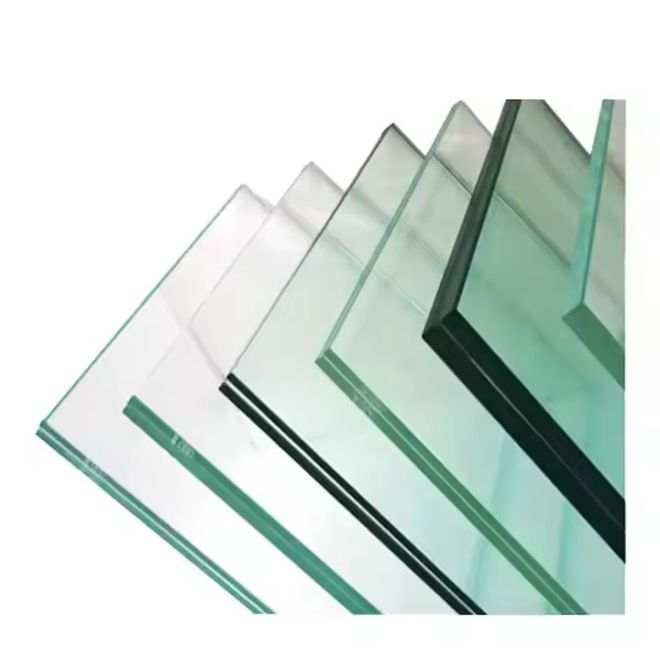
You want a sleek frameless glass pool fence, but every quote feels like guessing the price of a mystery box on TV—minus the applause and prizes.
This 2026 price and cost analysis breaks it down clearly, backed by data from the Housing Industry Association, so you can budget smart and avoid surprises.
💧 2026 frameless glass pool fence cost trends and projections
In 2026, frameless glass pool fence prices keep rising slowly but stay competitive. Buyers focus more on safety glass quality, lifetime value, and low-maintenance design.
Most residential projects see stable per‑meter rates, while high-end custom pools pay extra for thicker glass, premium hardware, and complex layouts that need expert installation.
1. Average 2026 price range per meter
By 2026, many markets show installed frameless pool fence prices between $300 and $550 per meter, depending on glass thickness, hardware brand, and site access.
- Basic 10–12 mm glass: lower price band
- Premium 12–15 mm safety glass: higher band
- Complex pools or slopes: extra cost per meter
2. Regional price differences
Labor rates and building codes cause large regional gaps. Coastal and city zones often pay more due to strict rules, permits, and skilled installer demand.
| Region | Typical Range (Installed) |
|---|---|
| Urban / Coastal | High: $400–$550/m |
| Suburban | Medium: $320–$480/m |
| Rural | Lower: $280–$420/m |
3. Long-term value and payback
While upfront prices rise slightly, 2026 owners see better payback from higher safety, clear views, and strong resale appeal against older metal or mesh fencing.
- Low cleaning and repair costs
- Boosts property value and pool appeal
- Better corrosion resistance than metal rails
4. Design upgrades affecting 2026 budgets
Custom gates, tinted panels, and decorative glass printing increase cost but help match luxury outdoor designs and branded resort or villa projects.
- Self-closing hinges and soft-close latches
- Custom heights and corner details
- Decor options like Digital Printed Tempered Glass for Decorative Partitions
📏 Key factors influencing frameless glass fence pricing around pools
Each pool fence quote in 2026 depends on glass type, layout, hardware grade, and local code requirements. Clear project plans help keep budgets realistic.
Owners who compare detailed quotes and ask for material brands usually get better value and avoid hidden extras on hardware, drilling, and structural fixing.
1. Data snapshot: 2026 cost drivers
The chart below shows how different elements typically shape the total frameless glass pool fence cost share in 2026 projects.
2. Glass quality and safety standards
All pool fences must use safety glass. In 2026, tempered and laminated panels dominate because they resist impact and meet strict pool barrier rules.
- Compliance with local pool codes
- Heat-soaked tempered glass for extra safety
- Options like Glass-tempered, polished C-edge 6mm tempered safety glass
3. Layout complexity and site shape
Simple straight runs cost less. Irregular shapes, many corners, or split levels need more posts, custom cuts, and time, so the final price increases.
| Layout Type | Cost Impact |
|---|---|
| Straight lines | Lowest |
| L-shape / U-shape | Medium |
| Curved / split level | Highest |
4. Local labor, permits, and inspections
Permits, inspections, and skilled labor differ by region. Some cities require engineer approvals, which raise planning fees but improve long-term safety and compliance.
- Permit application charges
- Inspection or sign-off fees
- Premium for licensed pool-fence installers
🧱 Material, thickness, and hardware choices affecting total fence cost
Material grade, glass thickness, and fixing systems strongly shape 2026 frameless pool fence pricing and the balance between safety, looks, and durability.
Choosing proven safety glass and anti-corrosion hardware usually saves money over time by reducing crack, rust, and replacement risks.
1. Glass thickness and type options
Most frameless pool fences use 10–15 mm tempered safety glass. Thicker panels cost more but improve strength, wind resistance, and solid feel.
- 10–12 mm: standard homes
- 12–15 mm: windy or public areas
- Laminated glass: higher safety tier
2. Spigots, channels, and fixing systems
Choosing between surface spigots, recessed channels, or side-fix systems affects both look and price. Stainless grades 2205 and 316 cost more but last longer.
| Hardware Type | Visual Style | Typical Cost |
|---|---|---|
| Surface spigots | Minimal, common | Lower |
| Channel base | Very clean lines | Medium |
| Side-fix brackets | Floating look | Higher |
3. Gates, locks, and safety details
Self-closing gates, soft-close hinges, and child-safe latches are required by most pool codes and increase cost but improve safety and user comfort.
- Soft-close hinges reduce glass stress
- Magnetic latches lock securely
- Auto-close systems meet code rules
🛠 Installation methods, site conditions, and labor impact on final price
Installation style and ground conditions strongly affect 2026 frameless pool fence budgets, often more than glass type alone.
Clear site planning and using trained installers help avoid rework, damage, and extra labor charges.
1. Core-drilled vs. base-plated installation
Core-drilled spigots into concrete look cleaner but need more labor and tools. Base-plated systems fix to slabs or decks and can reduce time.
- Core-drill: higher labor, premium finish
- Base-plate: quicker, flexible for decks
- Hybrid methods for tricky areas
2. Ground type and levels
Steep slopes, soft soil, and old paving increase setup time. Installers may need extra concrete, supports, or drainage changes around the pool edge.
| Condition | Impact |
|---|---|
| Flat, new concrete | Lowest labor |
| Mixed pavers and grass | Medium effort |
| Sloped / unstable soil | Highest labor |
3. Access, timing, and coordination
Narrow paths, no vehicle access, or busy renovation sites increase labor cost. Coordinating with pool builders and landscapers can shorten install schedules.
- Plan deliveries before landscaping
- Allow space for glass handling
- Use experienced pool-fence teams
🏷 Why 2026 pool owners choose BLUE-SKY for frameless glass fence value
BLUE-SKY focuses on safe, clear, and modern frameless pool fences that balance price, strength, and design for 2026 home and resort projects.
From glass choice to hardware and installation advice, the brand supports owners and contractors with practical guidance and consistent quality.
1. Focus on tested safety glass
BLUE-SKY uses certified tempered safety glass, polished edges, and controlled production to reduce breakage risk and meet strict global pool standards.
- Reliable thickness and flatness
- Edge polishing reduces stress points
- Options for meeting room use like Soundproof Glass Partition Wall for Meeting Rooms
2. Cost-effective hardware packages
Pre-matched glass and hardware kits help control 2026 project budgets while keeping a clean minimalist look that suits both modern homes and hotels.
| Package | Includes | Best For |
|---|---|---|
| Standard | Glass + spigots | Residential pools |
| Premium | Glass + high-grade spigots + gate | Coastal homes |
| Custom | Tailored layout | Resorts / villas |
3. Design support and after-sales service
BLUE-SKY teams support layout planning, edge detailing, and hardware selection, then assist with care tips to keep fences clear and safe over time.
- Layout drawings and advice
- Hardware compatibility checks
- Cleaning and maintenance guides
Conclusion
Pool frameless glass fence prices in 2026 stay steady, with value driven by safe glass, smart layout, and reliable hardware. Owners should compare detailed quotes and check standards.
Working with suppliers like BLUE-SKY helps balance cost, safety, and design, giving pools a modern, open look that lasts and supports future resale.
Frequently Asked Questions about pool frameless glass fence
1. How much does a frameless glass pool fence usually cost in 2026?
Most 2026 projects fall between $300 and $550 per meter installed, depending on glass thickness, hardware quality, layout complexity, and local labor rates.
2. Is frameless glass safe enough for family pools?
Yes, when built with certified tempered or laminated safety glass and correct hardware, frameless fences meet strict pool codes and provide strong impact resistance.
3. How long does installation normally take?
A typical home pool edge of 20–30 meters takes one to three days, depending on ground conditions, access, weather, and the number of gates or corners.
4. What maintenance does a frameless glass pool fence need?
Most fences only need regular washing with mild soap, soft cloths, and occasional stainless hardware checks to prevent tea staining and keep clear views.
5. Can I install a frameless glass pool fence myself?
DIY is possible but risky. Pool codes are strict, glass is heavy, and mistakes can be costly. Most owners choose trained, licensed installers for safety.