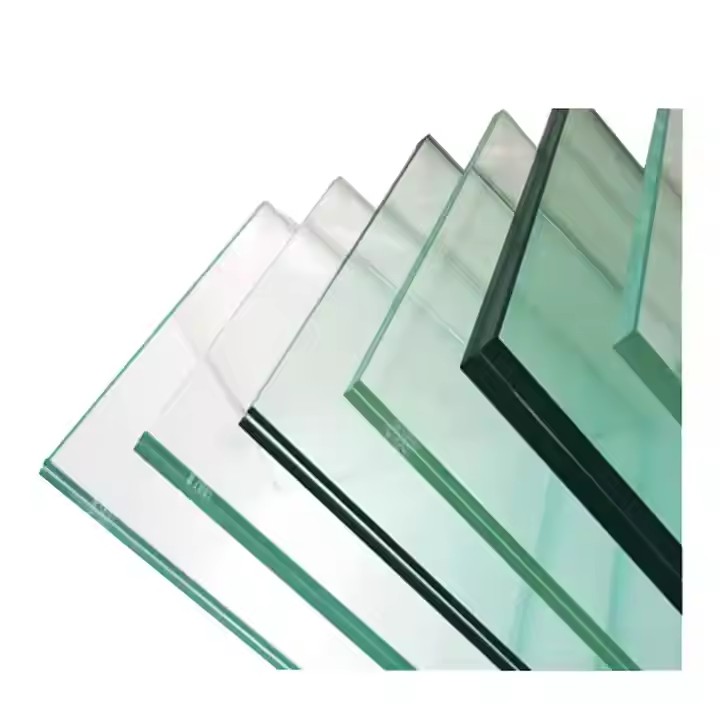
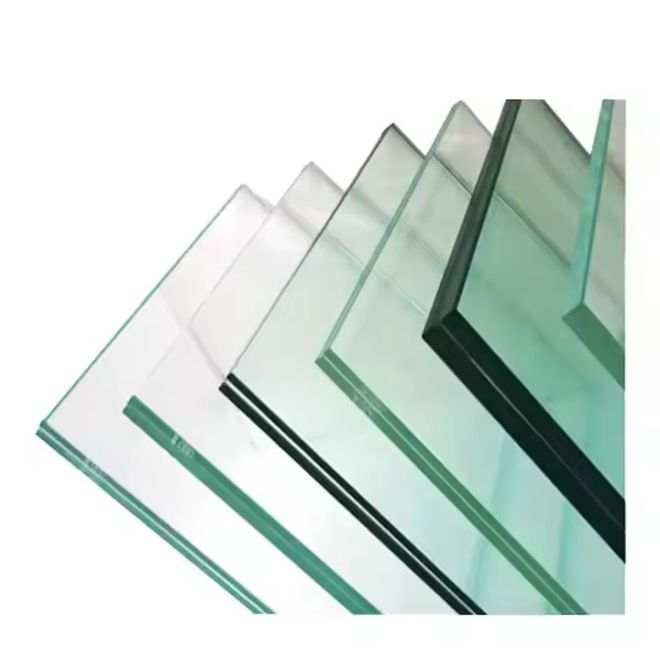
Introduction to laminated glass Manufacturing
Laminated glass is a composite material that combines multiple layers of glass with an interlayer, usually made of polyvinyl butyral (PVB) or ethylene-vinyl acetate (EVA). This construction enhances the safety and durability characteristics of glass, making it a preferred material in various applications. In this article, we delve into the nuanced process of manufacturing laminated glass, examining its materials, methods, and diverse applications, while highlighting the essential role of custom solutions and suppliers in its production.
Materials Used in Laminated Glass Production
Primary Glass Layers
The primary glass layers in laminated glass typically consist of annealed or tempered glass. Depending on the application's requirements, these layers can range in thickness from 2.5 mm to 10 mm. The choice between annealed and tempered glass significantly affects the strength and performance of the final product, making it crucial for custom solutions tailored to specific needs.
Interlayer Materials
The interlayer, often composed of PVB or EVA, plays a critical role in bonding the glass layers while enhancing safety features. PVB is favored for its excellent adhesive and acoustic properties, while EVA is known for its superior resistance to moisture and UV rays. These materials can block up to 99.9% of ultraviolet radiation, providing additional benefits beyond safety. Collaborating with experienced suppliers ensures the best choice of interlayer for the desired application.
Laminated Glass Manufacturing Process
Preparation and Cleaning
The manufacturing process begins with the meticulous cleaning of the glass sheets to remove contaminants that might affect adhesion. This step requires precision, as even the smallest particles can compromise the lamination process.
Lamination and Bonding
The cleaned glass sheets are then combined with the interlayer material. This assembly is subjected to heat and pressure using an autoclave process, which facilitates the bonding of the glass and interlayer into a single cohesive unit. The autoclave applies temperatures around 140°C and pressures up to 1,200 kPa for optimal bonding.
Role of Polyvinyl Butyral (PVB) in Lamination
Adhesive Properties
PVB's adhesive properties are integral to the strength and safety of laminated glass. By firmly bonding the glass layers, PVB prevents shattering and minimizes the risk of injury from broken glass. Its viscoelastic characteristics also contribute to improved sound insulation, making it a preferred choice for many exporters and manufacturers.
Acoustic and UV Protection
Apart from safety, PVB enhances acoustic performance by absorbing sound waves, thereby reducing noise levels. Furthermore, its ability to block UV rays extends the lifespan of interior furnishings by preventing fading, adding significant value to products made with laminated glass.
Applications in Safety and Security
Automotive Use
Laminated glass is a staple in the automotive industry, primarily used in windshields due to its strength and safety benefits. In the event of an impact, the glass holds together, reducing the likelihood of injury from sharp fragments.
Architectural Safety
In architectural applications, laminated glass is indispensable for safety in windows, doors, and skylights. Its resistance to shattering under impact makes it a reliable choice for buildings in hurricane-prone areas, where standard glass might fail.
Sound Insulation and UV Protection Features
Enhanced Soundproofing
Laminated glass provides exceptional soundproofing, making it ideal for buildings located in noisy environments. The interlayer dampens sound vibrations, cutting noise pollution and creating more comfortable and serene indoor spaces.
UV Protection Benefits
By blocking nearly all UV radiation, laminated glass protects interiors from sun damage. This feature is particularly beneficial in preserving the quality of interior furnishings and artworks, adding to its appeal for high-end residential and commercial buildings.
Aesthetic and Functional Architectural Uses
Glass Facades and Canopies
The aesthetic appeal of laminated glass makes it popular for glass facades and canopies. Its clarity and strength allow architects to create stunning yet functional structures, providing a modern and sophisticated environment while ensuring safety and durability.
Balcony Railings and Floors
Laminated glass is also utilized in balcony railings and glass floors, offering both safety and unobstructed views. Its impact resistance and transparency make it a perfect choice for maintaining a seamless connection with the surrounding environment.
Innovations in Laminated Glass Technology
Advanced Interlayer Formulations
Recent technological advancements have led to the development of advanced interlayer formulations, improving the performance of laminated glass in terms of impact resistance, acoustic control, and thermal insulation. These innovations are often driven by custom demands from sophisticated exporters and suppliers catering to niche markets.
Smart Glass Features
Smart glass technologies, such as switchable privacy glass, where the glass changes from transparent to opaque on demand, are becoming increasingly popular. Such innovations enhance the versatility of laminated glass, pushing its applications beyond traditional uses.
Historical Development of Laminated Glass
Early Inventions
The concept of laminated glass dates back to the early 20th century, initially developed to improve safety in automobile windshields. The first use of celluloid-coated glass paved the way for modern lamination techniques, revolutionizing the glass industry.
Evolution to Modern Applications
Over the decades, laminated glass has evolved significantly, with improvements in materials and processes expanding its applications. Today, it serves as a critical component in sectors ranging from automotive to construction, thanks to continued innovations and the role of key suppliers in the market.
Conclusion: Advantages and Considerations
Laminated glass offers numerous advantages, including enhanced safety, sound insulation, and UV protection. Its versatility in application covers a wide array of uses, from automotive to architectural elements. As demand for custom and innovative solutions grows, collaboration with reputable exporters and suppliers becomes essential. Such partnerships ensure the delivery of high-quality laminated glass tailored to specific needs, optimizing performance and aesthetics.
BLUE-SKY Provide Solutions
BLUE-SKY offers comprehensive solutions for selecting and utilizing laminated glass across various applications. By partnering with trusted suppliers and exporters, BLUE-SKY ensures access to high-grade materials and cutting-edge technology, delivering products that meet the highest safety and performance standards. Whether for automotive, architectural, or custom applications, BLUE-SKY provides tailored solutions designed to address specific project requirements, ensuring quality and reliability every step of the way.