Overview of curtain wall glass Installation
Curtain wall glass installation is a sophisticated and intricate process, essential in modern architecture for providing aesthetically pleasing facades that are both functional and non-load bearing. Curtain walls are typically attached to the building structure and can be constructed using various methods depending on the project requirements and environmental considerations.
Pre-Installation Preparations and Site Planning
Site Evaluation and Planning
Before the installation of curtain wall glass, a thorough evaluation of the site is conducted. This involves analyzing the building structure, environmental conditions, and logistical considerations for material handling. Detailed planning ensures the project progresses smoothly and efficiently.
Coordination with Stakeholders
Effective communication with architects, engineers, and wholesale suppliers is vital. Determining material specifications and ensuring timely deliveries are important for maintaining project timelines. Custom requirements must be clearly communicated to prevent delays and ensure quality outcomes.
Stick-Built vs. Unitized Systems
Stick-Built Curtain Walls
Stick-built curtain walls involve assembling individual components on-site. This method offers flexibility in design but requires more time and skilled labor. It's usually preferred for complex or unique architectural designs.
Unitized Curtain Walls
Unitized systems consist of pre-assembled panels fabricated in a controlled environment, ensuring high-quality standards. These are then transported to the site for quick installation. Benefits include reduced labor costs and faster installation times, making it a popular choice for large-scale projects.
Anchor Plates and Structural Integration
Importance of Precision
Anchor plates play a critical role in securing the curtain wall to the building's structural frame. Precision is crucial; misalignment can compromise the integrity and safety of the installation. Engineers must ensure that anchor points are exact and designed to handle the load transfer effectively.
Material Handling and Logistics On-Site
Efficient Material Handling
Upon arriving on-site, materials must be strategically positioned to minimize handling and potential damage. Glass units, due to their weight and fragility, require careful handling and should be positioned close to installation points.
Supplier Coordination
Suppliers must work closely with site managers to ensure materials, whether custom or standard, arrive on time and in sequence with the installation schedule. This minimizes storage needs and prevents delays in construction.
Installation of Vertical Mullions and Horizontals
Vertical Mullions Setup
The installation typically begins with the vertical mullions. These components must be precisely aligned and plumbed, serving as the primary support for subsequent elements. Splice sleeves join sections, ensuring continuity and strength along the facade.
Horizontal Components Installation
Once vertical mullions are securely installed, horizontal components are added. These are attached using various methods such as clips or brackets, per manufacturer specifications. This step is crucial for creating a robust framework for glass installation.
Sealant Application and Weatherproofing Techniques
Weatherproofing the Structure
Proper sealant application is essential for preventing water infiltration and ensuring thermal efficiency. Careful attention to detail during this process helps maintain the building's environmental control functions and extends the longevity of the installation.
Corner and Joint Sealing
Special focus is given to corners and joints, common points for potential leaks. Standardized flashing and sealing methods are used to ensure these areas are watertight and meet industry performance standards.
Glazing Techniques and Glass Installation
External vs. Internal Glazing
Glazing techniques vary. External glazing requires removing retaining caps from the outside, often necessitating scaffolding. Internal glazing, simpler and safer, is conducted from inside the building and is preferred for high-rise installations.
Glass Types and Custom Solutions
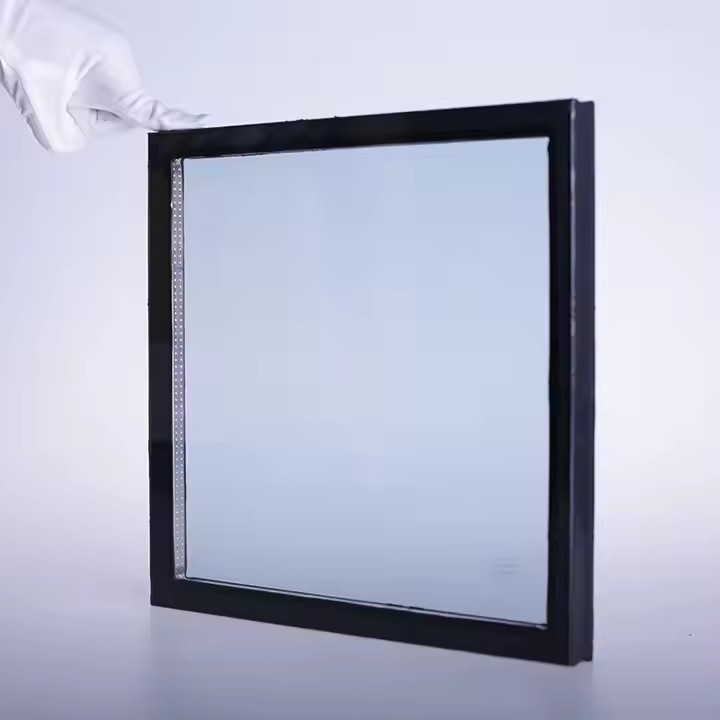
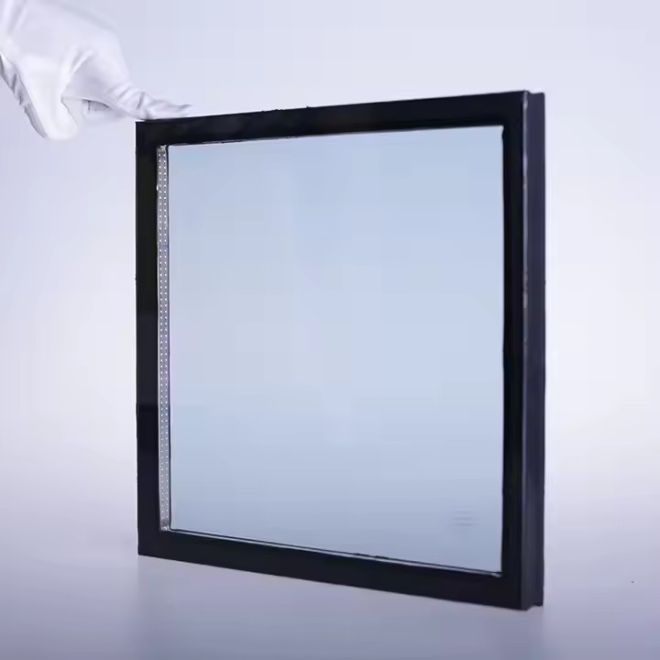
Curtain walls may incorporate custom glass options, including insulated or laminated glass, depending on performance and design requirements. Suppliers offer a range of choices to meet specific thermal, acoustic, and aesthetic needs.
Aesthetic and Functional Considerations
Customized Design Elements
Custom curtain wall designs allow for innovative architectural expressions, enhancing a building's aesthetic appeal. Designers can select from a variety of finishes and colors to match the overall theme of the project.
Functional Benefits
Beyond aesthetics, curtain walls provide functional benefits such as improved thermal insulation, soundproofing, and daylighting, which contribute to energy efficiency and occupant comfort.
Challenges and Solutions in Curtain Wall Installation
Overcoming Installation Challenges
Challenges such as complex designs, weather conditions, and logistical constraints require careful planning and innovative solutions. Coordination with experienced installers and reliable wholesale suppliers ensures these challenges are effectively managed.
Ensuring Quality and Longevity
Quality control throughout the installation process is essential. Regular inspections and adherence to manufacturers' guidelines help maintain the integrity and durability of the curtain wall system.
BLUE-SKY Provide solutions
BLUE-SKY offers comprehensive solutions for curtain wall glass installations, ensuring high-quality outcomes through meticulous planning and execution. We coordinate with architects and suppliers to deliver custom and standard panels that meet project specifications and timelines. Our expertise in stick-built and unitized systems, along with advanced weatherproofing techniques, ensures sustainable and durable installations. Whether for commercial or residential projects, BLUE-SKY provides reliable, efficient, and aesthetically pleasing solutions tailored to your needs.