

You want a sleek glass balustrade, but every option claims to be “safe, stylish, and simple” while your brain quietly screams, “Toughened, laminated, framed, frameless am I installing a railing or launching a space shuttle?”
To fix this, match your balustrade system to your project’s safety, style, and maintenance needs, then confirm compliance with building standards using trusted guidance like the UK Health and Safety Executive’s construction guidelines before you buy.
• 🧱 Assessing project requirements: safety, location, building codes, and budget
Start by defining where and how your glass balustrade will be used. Clear goals help you choose a safe, legal, and cost-effective system.
Think about users, height, exposure to weather, and your overall design style. Combine these factors with local rules and budget limits.
1. Safety and user needs
Safety comes first, especially on stairs, balconies, and roof decks. Consider children, elderly users, and areas with high foot traffic.
- Check required balustrade height and load ratings.
- Use laminated or toughened glass in fall-risk areas.
- Plan for secure handrails where codes require them.
2. Location and exposure
Different spaces need different systems. Indoor balustrades face less stress than coastal balconies or roof terraces.
| Location | Key concern |
|---|---|
| Indoor stairs | Impact resistance, style |
| Balconies | Wind load, drainage |
| Coastal decks | Salt corrosion, cleaning |
3. Building codes and standards
Always confirm local codes before ordering. They control glass type, rail height, and fixing details for glass balustrade systems.
- Confirm required glass thickness and type.
- Check load and impact test standards.
- Get drawings approved where needed.
4. Budget planning
Set a clear budget that covers design, hardware, glass, and installation. Cheaper options can cost more later if they fail early.
- Factor in maintenance and future repairs.
- Compare framed, semi-frameless, and frameless costs.
- Balance price with safety and visual impact.
• 🪟 Comparing framed, semi-frameless, and frameless glass balustrade options
Each system style changes cost, look, and performance. Compare framed, semi-frameless, and frameless balustrades to match your project goals.
Think about view lines, structural support, cleaning, and installation complexity before you choose.
1. Fully framed systems
Framed balustrades use continuous posts and rails to hold the glass. They suit tight budgets and busy public spaces.
| Benefit | Detail |
|---|---|
| Cost | Usually lowest |
| Strength | High, with clear load paths |
| View | More visual obstruction |
2. Semi-frameless systems
Semi-frameless designs reduce metal while keeping posts. They give a lighter look while still offering strong support and simpler fixing.
- Good balance of price and style.
- Less metal than framed options.
- Popular for homes and small decks.
3. Fully frameless systems
Frameless balustrades use base channels or point fixings, with little or no posts. They give the cleanest view and modern style.
- Best for wide, open views.
- Needs thicker glass and precise work.
- Often higher material and install cost.
4. Cost and performance comparison (ECharts bar chart)
The chart below compares average scores for cost, strength, and view clarity across the three system types to guide quick decisions.
• 🧪 Choosing glass thickness, finish, and hardware quality with BLUE-SKY systems
BLUE-SKY systems let you combine safe glass thickness, custom finishes, and reliable hardware for a durable, high-end balustrade.
Plan these elements together to keep performance, looks, and cost in balance.
1. Selecting suitable glass thickness
Match glass thickness to span, fixing type, and code rules. Taller, frameless panels usually need thicker, laminated toughened glass for safety.
| Use | Typical glass |
|---|---|
| Indoor stairs | 10–12 mm toughened |
| Balconies | 13.52–17.52 mm laminated |
| Roof decks | Thicker laminated, engineer-checked |
2. Picking glass finishes and styles
Choose clear, tinted, frosted, or printed glass to control light and privacy. Digital printing adds patterns that support branding or design themes.
- Use clear glass for maximum views.
- Use frosted bands for privacy zones.
- Consider Factory Wholesale 3-12mm Decorative Digital Printed Stained Glass Sheets for unique visuals.
3. Hardware quality and system integration
High-grade stainless steel, tested channels, and precise clamps keep your BLUE-SKY balustrade stable over time, even in harsh weather.
- Choose 316-grade stainless near the sea.
- Check that all parts are system-tested.
- Use certified glass like Tempered Toughened Glass Sheet Price Panoramic Padel Court Glass for strength.
• 🌦️ Considering wind loads, corrosion resistance, and maintenance for long-term durability
Outdoor glass balustrades face wind, rain, and temperature changes. Design for these loads to prevent movement, rust, and early damage.
Plan regular cleaning and inspections so your system stays safe and attractive for years.
1. Understanding wind and structural loads
High-rise and coastal sites see strong winds. Use engineering input to size glass, posts, and fixings so deflection stays within safe limits.
| Site type | Design focus |
|---|---|
| Urban mid-rise | Standard wind checks |
| High-rise tower | Advanced load studies |
| Coastal cliff | Extreme gust design |
2. Corrosion resistance and material choice
Moisture, salt, and pollution attack poor hardware. Choose resistant metals and coatings to keep connections safe and good-looking.
- Use 316 stainless or treated aluminum outdoors.
- Avoid mixed metals that can cause galvanic corrosion.
- Seal exposed fixings against water entry.
3. Cleaning and maintenance planning
Simple cleaning helps glass stay clear and hardware last longer. Build access and maintenance schedules into the design stage.
- Plan safe access for upper levels.
- Use low-iron or coated glass to reduce marks.
- Inspect anchors and channels each year.
• 🎨 Balancing aesthetics, transparency, and privacy to complement your architectural style
A good glass balustrade should support your architecture, not fight it. Balance openness, privacy, and style for a consistent design story.
Think about how the balustrade looks from outside and inside, during day and night.
1. Matching architectural style
Link balustrade lines with building forms. Slim, frameless glass suits modern spaces, while framed systems can echo classic or industrial looks.
- Align top rails with window heads where possible.
- Repeat metal colors used on doors and trims.
- Keep details simple for long-term appeal.
2. Managing transparency and privacy
Use clear glass for views and light, and frosted or patterned zones where you need screening. Mix panels if your layout demands both.
| Need | Recommended glass |
|---|---|
| Full views | Clear, low-iron glass |
| Partial privacy | Striped or banded frosting |
| High privacy | Opaque or printed glass |
3. Coordinating with other glass elements
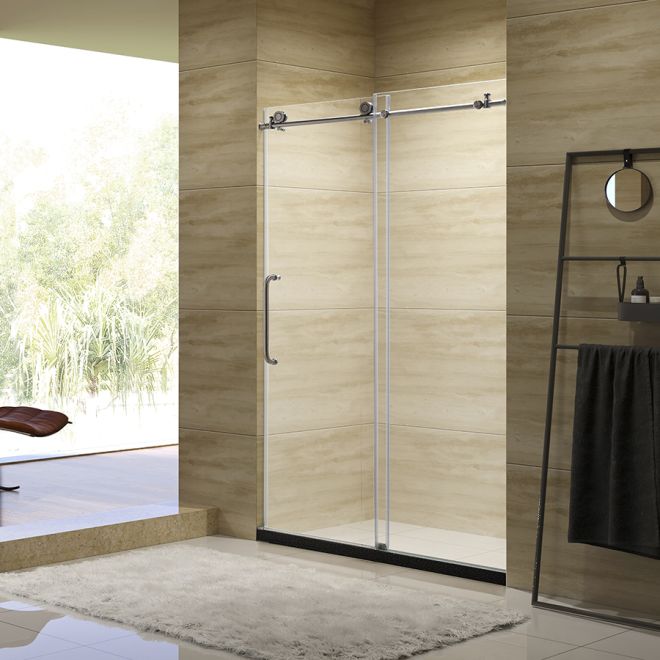
For a seamless look, align balustrade glass with shower screens, doors, and other features like a High-quality glass shower door inside the same property.
- Use similar glass tone and edge details.
- Repeat hardware finishes across spaces.
- Keep joint details consistent throughout.
Conclusion
Choosing the right glass balustrade system means balancing safety, codes, loads, and style with your budget. Consider framed, semi-frameless, and frameless options side by side.
Combine the correct glass type, finish, and hardware to build a system that looks clean, stays safe, and performs well for many years.
Frequently Asked Questions about glass balustrade systems
1. What type of glass is best for a balcony balustrade?
Most balconies use laminated toughened glass. It offers strong impact resistance and stays in place if it cracks, which improves fall protection and safety.
2. Do I always need a handrail on a glass balustrade?
Rules vary by region. Some codes allow frameless, no-top-rail glass if it passes load tests. Others require a continuous handrail. Always confirm local requirements.
3. How thick should frameless balustrade glass be?
Thicker glass is usually needed, often 12–17.52 mm laminated, depending on height, span, and site wind loads. An engineer or supplier should confirm final sizes.
4. Are glass balustrades hard to clean and maintain?
With planned access and good coatings, they are easy to maintain. Regular washing with mild soap and water usually keeps glass and hardware in good condition.
5. Can glass balustrades be used in coastal areas?
Yes, if you choose suitable materials. Use laminated toughened glass, 316-grade stainless or coated aluminum hardware, and plan more frequent cleaning to manage salt.