

You just wanted a stylish glass fence, not a crash course in safety codes, right? Now you’re knee‑deep in acronyms, standards, and wondering if your backyard needs its own compliance officer.
Relax. Follow clear certification rules, match products to local codes, and confirm testing standards like AS/NZS 2208 or equivalent. For detailed guidance, see this safety glass standard summary: Standards Australia – Safety Glazing Materials.
✅ Key Safety Standards for Outdoor Glass Fencing
Outdoor glass fences must follow strict safety standards to protect families, pets, and visitors. Clear rules on glass strength, height, and fixing methods reduce breakage and fall risks.
When you choose certified products, you also gain long-term value. High-quality glass can match other systems, such as Digital Printed Tempered Glass for Decorative Partitions, for a consistent look.
1. Impact and Wind Load Resistance
Glass panels must resist strong wind and sudden impacts. Testing confirms they will not fail under normal outdoor forces.
- Comply with local wind zone ratings
- Pass impact tests with standard weights
- Use stronger glass in coastal or high-rise areas
2. Safety Glass Requirements
Most codes require fully tempered or laminated safety glass to reduce injury risk if breakage occurs.
| Glass Type | Use |
|---|---|
| Tempered | Frameless posts, pool fences |
| Laminated | Balconies, high-level barriers |
3. Edge Protection and Hardware Quality
Hardware must support the glass safely and protect edges from damage over time.
- Use corrosion-resistant stainless steel spigots
- Protect exposed edges from direct impact
- Check manufacturer load ratings
4. Slip and Fall Prevention Near Glass
Surfaces around glass fences must reduce slip risks, especially near pools and wet areas.
- Provide non-slip paving
- Maintain clear walkways
- Use visible markings on long glass runs
🔒 Required Certificates for Residential and Commercial Glass Fence Installations
Authorities often ask for certificates to prove your outdoor glass fence meets building codes. Proper documents speed approvals and avoid costly redesigns or removals.
Both homeowners and commercial builders should collect factory test reports, installation manuals, and third-party compliance certificates before work begins.
1. Common Certificates and Reports
Most projects need proof of safety glass, load testing, and hardware performance.
- Tempered and laminated glass compliance reports
- Impact and line-load test results
- Corrosion and durability test certificates
2. Regional and International Standards
Standards differ by country, but many align with global rules that focus on safety and strength.
| Region | Example Standard |
|---|---|
| US | ASTM, IBC |
| EU | EN 12150, EN 12600 |
| AU/NZ | AS/NZS 2208, 1288 |
3. Sample Compliance Data Analysis
The chart below compares how often inspectors request different documents in typical glass fence projects.
4. Document Storage and Digital Access
Keep all certificates in a digital folder linked to your project so you can share them quickly during inspections.
- Scan and label each document clearly
- Store cloud backups for long-term access
- Update files when codes change
📏 Compliance Checklist for Height, Gaps, and Structural Requirements
Height, gap sizes, and structure are key to keeping people safe around your outdoor glass fence.
Use this checklist early in design to avoid code issues and delays during inspection.
1. Minimum Fence Heights
Local codes set minimum heights, especially around pools and drop-offs.
| Application | Typical Minimum Height* |
|---|---|
| Pool fence | 1200 mm |
| Balcony/edge | 1000–1100 mm |
*Always confirm with local regulations.
2. Maximum Gap and Climb Prevention
Gaps must be small enough to prevent children from squeezing through or climbing.
- Limit gaps under panels and between panels
- Avoid horizontal rails that aid climbing
- Check gate latch heights
3. Structural Supports and Foundations
Proper foundations stop movement and panel failure.
- Use engineer-approved footing sizes
- Secure spigots with tested anchors
- Confirm substrate strength before drilling
🧪 Glass Types, Testing Methods, and Durability Compliance Criteria
Choosing the right glass type and testing method ensures long-term safety and lower maintenance costs.
Certified products, like Tempered Toughened Glass Sheet Price Panoramic Padel Court Glass, often exceed minimum code levels.
1. Main Glass Types for Outdoor Fences
Most outdoor glass fences use tempered or laminated glass, or a mix of both.
| Type | Key Benefit |
|---|---|
| Tempered | High strength, safe break pattern |
| Laminated | Glass stays bonded after breakage |
2. Essential Testing Methods
Manufacturers test glass to confirm impact resistance, surface stress, and long-term performance.
- Pendulum impact tests
- Fragmentation pattern checks
- Heat soak tests for tempered glass
3. Durability and Weather Resistance
Outdoor glass must handle UV, temperature changes, and moisture without early failure.
- Use quality edge finishing and polishing
- Choose UV-stable interlayers in laminated glass
- Specify corrosion-resistant fittings
📚 Installation Documentation, Inspections, and BLUE-SKY Certification Support
Good paperwork and inspections help you prove compliance from design to final sign-off.
BLUE-SKY Certification support can guide you through testing, labeling, and documentation needs.
1. Pre-Installation Documentation
Collect all design and product data before work starts on site.
- Shop drawings and layout plans
- Glass and hardware specifications
- Engineering calculations when required
2. On-Site Inspections and Testing
Inspectors check heights, clearances, fixings, and gate operation.
| Stage | Check |
|---|---|
| Pre-pour | Footing positions and sizes |
| Mid-install | Anchor and spigot fixings |
| Final | Heights, gaps, gate function |
3. BLUE-SKY Certification and Ongoing Records
BLUE-SKY support helps align your products and records with key standards for smoother approvals.
- Access to standard test reports
- Guidance on labeling and traceability
- Support for future audits or upgrades
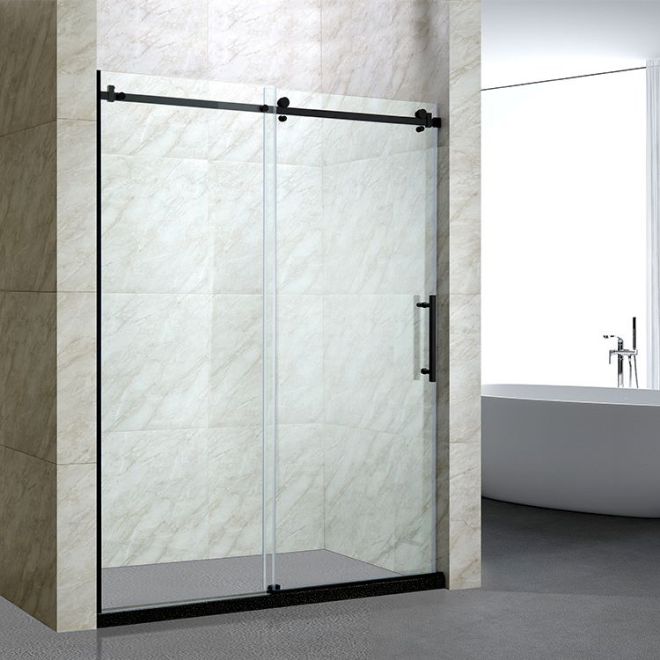
Coordinated glass systems in your project, such as Bathroom Sliding Glass Doors, can follow similar documentation practices for consistent compliance.
Conclusion
Outdoor glass fences must meet clear standards for safety, height, gaps, and structure. Certified glass and hardware reduce risks and help protect people in every environment.
By collecting the right certificates, following test-based design, and using BLUE-SKY support, you can install a strong, code-compliant glass fence that also looks modern and clean.
Frequently Asked Questions about outdoor glass fence
1. Do I always need safety glass for an outdoor fence?
Yes. Most building codes require tempered or laminated safety glass for any barrier that protects against falls or surrounds a pool or drop.
2. How thick should outdoor glass fence panels be?
Common thicknesses range from 10–15 mm for tempered glass. The final choice depends on height, span, wind load, and engineer advice.
3. Can I install a glass fence myself?
You can in some regions, but many projects still need professional design, certified products, and inspections to pass local building rules.
4. How do I prove my fence is compliant?
Keep glass test reports, hardware certificates, engineering documents, and inspection records together. Present them to your local authority or inspector when requested.
5. How long does a quality outdoor glass fence last?
With certified glass, corrosion-resistant hardware, and regular cleaning, a well-installed outdoor glass fence can perform safely for many years.