

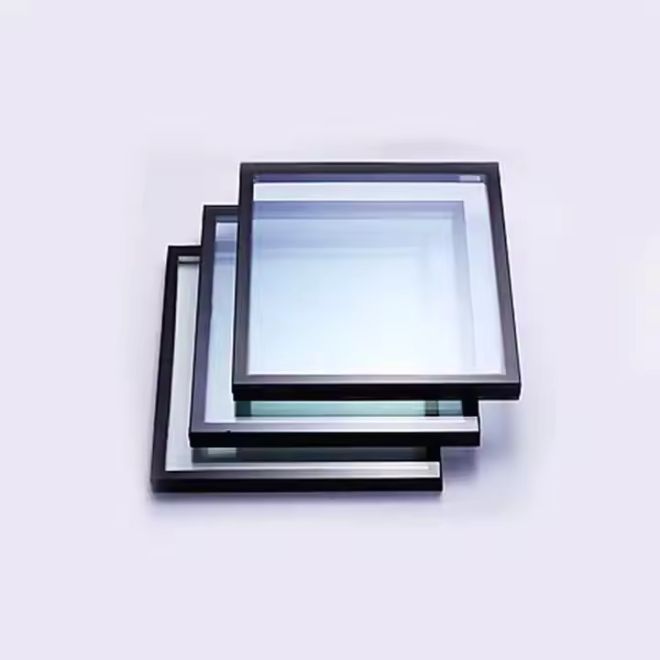
Staring at your office plans, wondering if single or double glazed partitions will blow the budget—and your sanity? Let’s stop the guessing game before you accidentally design a gold-plated meeting room.
To fix this, compare long-term energy savings and noise reduction. Use data from the U.S. Department of Energy to balance upfront costs with real-world performance.
• 💰 Initial installation costs: single glazed vs double glazed partitions
Single glazed partitions usually have lower upfront costs and faster installation. Double glazed systems cost more but deliver better comfort, privacy, and long-term value for offices and homes.
Understanding material, design, and labor helps you choose the right partition type for your project budget.
1. Material and glass thickness choices
Single glazed uses one pane of glass, often 8–10 mm. Double glazed uses two panes plus a spacer, which raises material costs but boosts performance.
- Single glazed: standard clear or basic toughened glass
- Double glazed: laminated, low‑iron, and acoustic glass options
- Premium options: 10mm Low Iron Ultra Clear Tempered Glass padel court level clarity for high-end partitions
2. Frame, hardware, and seal costs
Double glazed systems need deeper frames, stronger profiles, and high‑quality seals. These details add to the initial price but improve stability and comfort.
| Item | Single Glazed | Double Glazed |
|---|---|---|
| Aluminum frame depth | Shallow | Deeper |
| Gaskets and seals | Basic | High performance |
| Acoustic strips | Rare | Common |
3. Labor and installation time
Single glazed partitions install faster with simpler handling. Double glazed units are heavier and need more care, slightly raising labor and access costs.
- Fewer workers and lifts for single glazed
- Extra lifting gear often needed for double glazed
- More site planning for tall office facades
4. Design complexity and customization
Curved glass, special colors, and digital printing increase both single and double glazed costs. Complex designs may justify double glazing for better performance.
- Custom colors and logos
- Bedroom feature walls using 3D Printed Toughened Glass Wall Panel for Bedroom
- Frameless doors and sliding systems
• 📉 Long-term energy savings and utility bills with double glazing
Double glazed partitions reduce heat loss and gain, lowering heating and cooling bills. Over time, these savings often recover the higher initial installation cost.
In climate-controlled offices and homes, double glazing helps keep spaces comfortable while using less energy every month.
1. Heat transfer and U‑value comparison
Double glazed units use an air or gas gap between panes to slow heat flow. This improves U‑values and helps HVAC systems work more efficiently.
| Partition Type | Approx. U‑Value (W/m²K) |
|---|---|
| Single glazed | 5.5 |
| Standard double glazed | 2.6–3.0 |
| Low‑E double glazed | 1.6–2.0 |
2. Typical yearly energy bill impact
In air‑conditioned buildings, improved insulation can cut cooling and heating loads. Over 5–10 years, these savings often exceed the extra double glazing cost.
3. Climate and building use factors
Cold or hot climates gain the most from double glazing. Offices with long working hours and dense occupancy also see larger energy savings.
- Long operating hours
- Large glass areas
- High HVAC loads
4. Return on investment timeframe
The payback period for double glazed partitions can range from 3–8 years, depending on energy prices and how well the building is designed.
- Higher tariffs shorten payback
- Better insulation supports green building goals
- Long lifespan increases total savings
• 🔊 Acoustic performance benefits compared to additional glazing costs
Double glazed partitions greatly reduce noise transfer between rooms. This boosts privacy, focus, and comfort, especially in open-plan offices and shared homes.
The extra upfront cost often pays off through better productivity and fewer distractions in busy spaces.
1. Sound reduction index (Rw) differences
Single glazed systems often give limited sound control. Double glazing, especially with acoustic laminates, adds several decibels of noise reduction.
| System | Typical Rw (dB) |
|---|---|
| Single glazed, 10 mm | 30–33 |
| Double glazed, basic | 38–42 |
| Double glazed, acoustic | 45–50+ |
2. Use cases where extra cost is justified
Meeting rooms, manager offices, clinics, and call centers benefit most from double glazed acoustic performance, making the higher price reasonable.
- Confidential meetings
- Therapy and medical rooms
- Recording and media spaces
3. When single glazing may be enough
Single glazed partitions can suit quiet areas or basic zoning needs. In such cases, spending extra on double glazing may not be needed.
- Small studios or home offices
- Low-traffic corridors
- Spaces with little speech privacy demand
• 🛠 Maintenance, durability, and replacement expenses over partition lifespan
Both single and double glazed partitions need simple cleaning, but double glazed units usually offer better long-term stability and lower replacement frequency.
Good quality glass, hardware, and seals reduce total lifecycle costs for commercial projects.
1. Cleaning and care needs
Daily care is similar for both systems: regular glass cleaning and checks on frames and seals to keep partitions clear and safe.
- Use non-abrasive cleaners
- Inspect joints and gaskets yearly
- Avoid impacts and overloading
2. Lifespan and common failure points
High-quality double glazed units can last decades. Seal failure or frame movement are the main risks, especially in poorly installed systems.
| Issue | Single Glazed | Double Glazed |
|---|---|---|
| Glass breakage | Medium risk | Medium risk |
| Seal failure | Low | Medium |
| Fogging between panes | Not applicable | Possible if seals fail |
3. Replacement and upgrade options
Framed systems allow glass replacement without removing all profiles. You can also upgrade single glazed bays to double glazed later to improve performance.
- Swap broken panes only
- Upgrade key rooms to double glazing
- Reuse frames where design allows
• 🧮 Overall value comparison and why BLUE-SKY offers cost-effective solutions
When you balance initial price with comfort, energy savings, and noise control, double glazed partitions often deliver the best long-term value.
BLUE-SKY helps you match glass type, frame design, and budget to your real project needs.
1. Total cost of ownership view
Look beyond the purchase price. Include energy, maintenance, and lifespan to see why double glazing can be the smarter long-term choice.
- Lower utility bills
- Better working conditions
- Higher tenant satisfaction and rent value
2. BLUE-SKY product and design support
BLUE-SKY offers tailored single and double glazed solutions, including high performance units like Soundproof Double Glazing Insulated Glass | Manufacturer.
- Design advice and drawings
- Custom sizes and finishes
- Support from concept to installation
3. Choosing the right system for your project
Use your goals as a guide. If budget is tight and noise is low, choose single glazing. For quiet, comfort, and savings, double glazing is best.
| Priority | Recommended Option |
|---|---|
| Lowest upfront cost | Single glazed |
| Energy and comfort | Double glazed |
| High acoustic privacy | Double glazed acoustic |
Conclusion
Single glazed partitions keep upfront costs low but offer limited insulation and sound control. Double glazed systems cost more at first yet improve comfort, privacy, and energy performance.
By comparing long-term bills, acoustic needs, and maintenance, you can select the partition type that brings the best value for your building.
Frequently Asked Questions about single glazed partition
1. Are single glazed partitions cheap to install?
Yes. Single glazed partitions usually have lower material and labor costs, making them a budget-friendly choice for simple office or home layouts.
2. Do single glazed partitions provide good sound insulation?
Sound control is limited. They work in quiet zones but are not ideal for meeting rooms, clinics, or spaces needing strong speech privacy.
3. Can I upgrade from single glazed to double glazed later?
Often yes. If frames are suitable, glass units can be replaced with double glazed units to improve energy and acoustic performance.
4. Are single glazed partitions safe?
When made from toughened or laminated safety glass and installed correctly, single glazed partitions are safe for most indoor applications.
5. When should I avoid single glazed partitions?
Avoid them where noise is high, privacy is critical, or energy rules are strict. In these cases, double glazed partitions perform much better.