

Introduction to Building Energy Conservation
In recent years, the global emphasis on energy conservation and emission reduction has heightened the need for innovative solutions to decrease energy consumption. Buildings, a significant energy consumer, offer vast potential for improvement, notably through window technology. Architectural designs must evolve to embrace energy efficiency, ensuring reduced energy loss and environmental impact. One such pivotal innovation is modern double glazing, which plays a crucial role in minimizing energy transfer through windows and doors.
The Structure of Modern Double-Glazed Windows
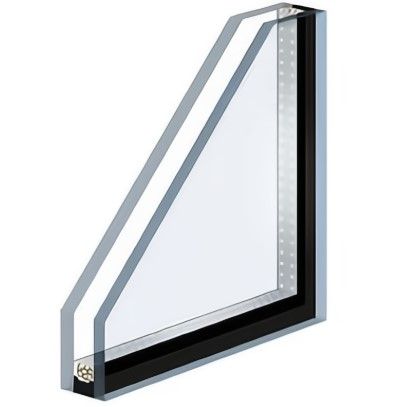
Understanding the anatomy of modern double glazing is essential to appreciate its effectiveness. Comprising two panes of glass with a layer of air or inert gas, these windows are engineered to optimize insulation. This unique design helps in counteracting the natural thermal conductivity of glass, a challenge often faced by single-pane windows.
Composition and Materials:
Modern double-glazed windows are not just about dual glass panes; they integrate advanced materials. The air or inert gas layer significantly enhances their insulating properties, making them indispensable for energy-efficient buildings.
Wholesale Modern Double Glazing Solutions:
Accessibility to these advanced windows is enhanced through wholesale modern double glazing solutions, enabling large-scale adoption across residential and commercial sectors.
Mechanisms of Heat Conduction Control
Glass, being a good thermal conductor, presents challenges in energy conservation. Modern double glazing tackles this by creating a thermal barrier, significantly reducing heat transfer.
Insulating Effect of Air or Gas Layers:
The air or gas, like argon or krypton, serves as a poor conductor of heat, impeding the natural tendency of heat to flow from hotter to cooler areas. This feature is crucial in maintaining indoor temperatures.
Innovative Solutions by Modern Double Glazing Manufacturers:
Leading modern double glazing manufacturers invest in research and technology to continuously improve the heat conduction control characteristics of their products.
Role in Suppressing Thermal Convection
Thermal convection is another avenue through which energy is lost. Single-pane windows often allow air currents to form, accelerating heat exchange. Modern double glazing offers a solution by reducing these convective currents.
Impact of the Sealed Double-Glazing Structure:
The hermetically sealed environment within double-glazed windows ensures that air movement is minimal, effectively eliminating unwanted convection between indoor and outdoor air.
Consistency in Quality from Modern Double Glazing Suppliers:
Reliable modern double glazing suppliers assure the integrity of the sealed environment, which is vital for consistent performance.
Advantages of Heat Radiation Management
Managing heat radiation is essential for maintaining a comfortable indoor environment without excessive energy use. Modern double glazing incorporates technology like Low-E coatings to achieve this.
Utilization of Low-E Coatings:
Low-emissivity (Low-E) coatings reflect long-wave heat radiation back inside, reducing heat loss in colder months, while also minimizing heat gain in summer by blocking ultraviolet and infrared rays.
Balancing Heat Retention and Solar Gain:
The ability to retain heat without sacrificing natural light is a critical advantage of modern double glazing, enhancing both comfort and energy efficiency.
Energy-Saving Benefits in Cold Climates
In regions where winter reigns, heating is a significant energy expense. Here, modern double glazing delivers pronounced benefits.
Impact on Heating Energy Consumption:
Studies indicate that double-glazed windows can cut heating energy consumption by up to 30%, offering substantial savings and comfort during harsh winters.
Case Studies: Cold Weather Regions:
Real-world applications, such as in northern China, highlight the transformative effect of double glazing on maintaining stable and comfortable indoor temperatures.
Energy-Saving Benefits in Warm Climates
Conversely, in warmer climates, the challenge is to keep interiors cool. Modern double glazing again proves its worth by impeding external heat from permeating homes and buildings.
Effectiveness in Reducing Cooling Energy Needs:
By diminishing the rate of heat entry, modern double-glazed windows help reduce the dependency on air conditioning, leading to savings in energy consumption.
Application in Hot Weather Areas:
In southern cities, where air conditioning is essential, modern double glazing can reduce cooling energy requirements by 15-20%, demonstrating its versatility and efficacy.
Economic Benefits of Double-Glazed Windows
While the initial investment in modern double glazing might be higher than single-pane windows, the long-term economic benefits are undeniable.
Initial Costs Versus Long-Term Savings:
The energy efficiency and reduced utility bills eventually recoup the initial costs, making modern double glazing a financially sound investment for property owners.
Return on Investment Through Energy Efficiency:
Beyond savings, the increase in property value due to enhanced energy performance makes double glazing an attractive proposition for both homeowners and developers.
Environmental Impact and Emission Reduction
The environmental advantages of modern double glazing are profound. By curtailing energy consumption, these windows contribute to a reduction in greenhouse gas emissions.
Decrease in Greenhouse Gas Emissions:
Less energy usage translates into fewer pollutants from power generation, bolstering efforts to combat global warming and improve air quality.
Contribution to Global Warming Mitigation:
By promoting the widespread adoption of energy-efficient solutions like modern double glazing, buildings can significantly lessen their carbon footprint.
Conclusion: Promoting Double Glazing in Construction
The role of modern double glazing in energy conservation is multifaceted, impacting economic, environmental, and comfort aspects of modern living. Wider application of this technology in the building industry is a logical step towards achieving higher standards of energy efficiency.
Overall Benefits for Indoor Comfort and the Environment:
Enhanced indoor comfort, reduced energy bills, and minimized environmental impact are compelling reasons to embrace modern double glazing.
Call to Action for Broader Application:
Stakeholders in the construction industry must prioritize the integration of double-glazed windows to advance energy conservation efforts.
Introducing BLUE-SKY
Since 2000, BLUE-SKY Safety Glass Co., Ltd., located in Hangzhou, has pioneered glass processing with a factory spanning over 75,000 sqm near Ningbo and Shanghai ports. Specializing in diverse products like tempered, laminated, and insulated glass, BLUE-SKY stands out with its advanced technology and a skilled workforce of over 300. Known for high-value products, competitive pricing, and comprehensive customer service, BLUE-SKY has established itself as a leading modern double glazing supplier, with exports reaching markets worldwide.