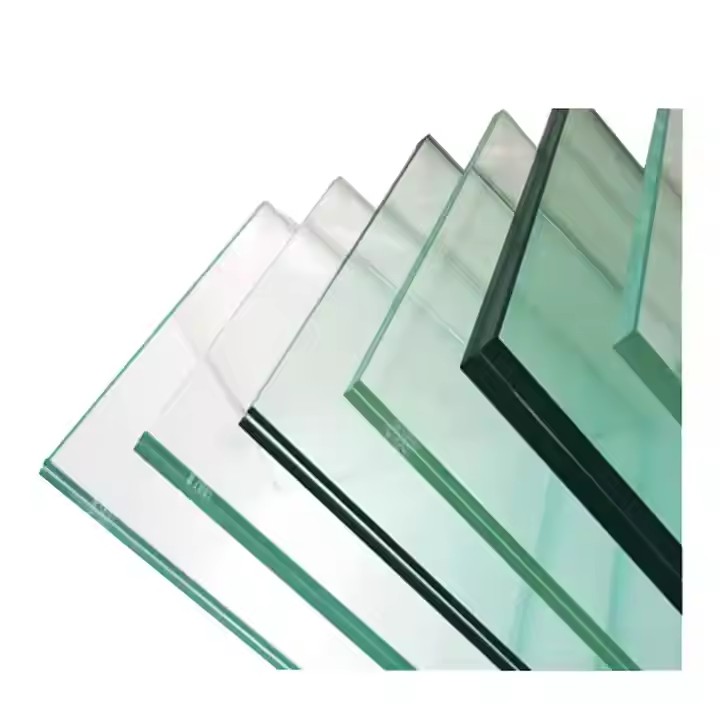
Glass is a remarkable material that has permeated nearly every facet of modern life. Its versatility, beauty, and sheer utility have made it indispensable across a wide array of industries. This article delves into the different aspects of glass, from its vital role in architectural design to the latest innovations in glass technology, with a particular focus on 3mm toughened glass and its wholesale market.
1. Introduction to the Versatility of Glass
● 1.1 Importance of Glass in Daily Life
Glass is all around us, from the windows in our homes and cars to the screens of our smartphones and televisions. Its transparency and durability make it a perfect material for applications that require visibility and protection, and its ability to be molded into various shapes and sizes further expands its utility.
● 1.2 Glass Applications Across Various Industries
Glass is a critical component in industries such as construction, automotive, electronics, and even in aeronautics and renewable energy sectors. Its role in these sectors is often understated, yet it is a pivotal material for both function and design.
2. Glass in Architectural Design
● 2.1 Enhancing Aesthetics and Functionality
In modern architecture, glass is synonymous with sleek designs and open spaces. It creates seamless connections between indoor and outdoor environments and maximizes natural light, enhancing both aesthetics and energy efficiency.
● 2.2 Popularity in Modern Building Designs
The demand for 3mm toughened glass has grown significantly as architects and designers seek materials that blend safety with style. Toughened glass offers higher resistance to impacts and temperature changes, making it ideal for facades and high-rise buildings.
3. Chemical Composition of Glass
● 3.1 Core Components and Raw Materials
Standard glass is composed of silica sand, soda ash, and limestone. These ingredients are melted, cooled, and solidified into glass. Alterations in this basic composition can yield special types of glass with unique properties.
● 3.2 Differences Between Ordinary and Specialized Glass
Toughened glass, such as 3mm toughened glass, undergoes a specific heat treatment process, resulting in increased strength. This makes it suitable for a variety of applications where safety and durability are paramount, such as in automotive windows and shower screens.
4. Manufacturing Processes and Techniques
● 4.1 Differences Between Flat and Float Glass Production
Float glass is produced by floating molten glass on tin, creating sheets that are uniform in thickness and smoothness. This method is essential for producing flat glass used in windows and mirrors.
● 4.2 Advanced Methods for Quality and Consistency
Manufacturers like those specializing in 3mm toughened glass employ advanced technologies to ensure quality and consistency. These methods include precision cutting, polishing, and tempering, meeting rigorous safety and aesthetic standards.
5. Varieties and Specifications of Glass
● 5.1 Overview of Different Thicknesses and Their Uses
Glass comes in a range of thicknesses, each suited to specific applications. For example, 3mm toughened glass is often used in applications where space is limited, but strength cannot be compromised.
● 5.2 Standard Versus Custom Glass Options
While standard glass sizes are readily available, many projects require custom glass solutions. Manufacturers and suppliers like those offering wholesale 3mm toughened glass can fulfill these bespoke requirements, tailoring the glass to specific sizes and finishes.
6. Tempered Glass: Strength and Safety
● 6.1 Heat Treatment and Cooling Processes
Tempering involves heating glass to a high temperature and then rapidly cooling it. This process imparts the glass with its characteristic strength and shatter-resistant properties, breaking into small, less dangerous fragments instead of sharp shards.
● 6.2 Benefits in Building Safety and Durability
Toughened glass is indispensable in situations requiring enhanced safety. Its strength and integrity make it a staple in many public and residential buildings, providing both security and durability.
7. Decorative Uses of Glass in Interiors
● 7.1 Glass in Partitions, Doors, and Decorative Accents
Glass is often used to create beautiful partitions and doors that add elegance to interiors. Decorative glass can feature etched patterns or colored films, adding a touch of style to functional elements.
● 7.2 The Impact of Transparency on Space Perception
The transparency of glass allows for open, airy spaces that appear larger and more inviting. It's particularly effective in urban environments where maximizing space and light is essential.
8. Innovations in Glass Technology
● 8.1 Recent Advancements in Glass Material Science
Recent years have seen tremendous innovations in glass technology. Developments in coating technologies have resulted in smart glass that can transition between transparent and opaque states, offering energy-saving opportunities and privacy on demand.
● 8.2 Integration with Smart Technologies
Glass is increasingly being integrated with smart technology, featuring properties such as self-cleaning, UV protection, and even the ability to generate electricity through embedded solar cells.
9. Environmental Impact and Sustainability
● 9.1 Recycling and Eco-Friendly Glass Production
The glass industry is making strides in environmental stewardship. The recyclability of glass is one of its greatest attributes, allowing for significant reductions in raw material usage and energy consumption during production.
● 9.2 The Role of Glass in Sustainable Architecture
Glass plays a pivotal role in sustainable architecture by facilitating natural lighting and contributing to energy efficiency. Insulated glass systems are essential for reducing heating and cooling demands in buildings.
10. Future Trends in Glass Usage
● 10.1 Emerging Applications in Homes and Industries
As technology continues to evolve, new applications for glass are constantly being discovered. From more efficient solar panels to better insulating materials, glass is at the forefront of future innovation.
● 10.2 Predictions for Technological and Design Innovations
In the coming years, we can expect to see glass become even more integral to both design and function. The pursuit of smarter, more sustainable cities will undoubtedly feature glass as a key player in this evolution.
● Company Introduction: BLUE-SKY
Since its establishment in 2000, Hangzhou Blue-sky Safety Glass Co., Ltd. has become a leading name in the glass processing industry. With a sprawling 75,000 sqm factory in Hangzhou, close to Ningbo and Shanghai ports, BLUE-SKY is a premier manufacturer and supplier of a wide range of glass products, including 3mm toughened glass. Their commitment to quality is underscored by certifications such as CCC, ISO, and CE. BLUE-SKY's custom solutions and world-class customer service have earned it a reputation as a reliable supplier worldwide, from the USA to South Africa.