

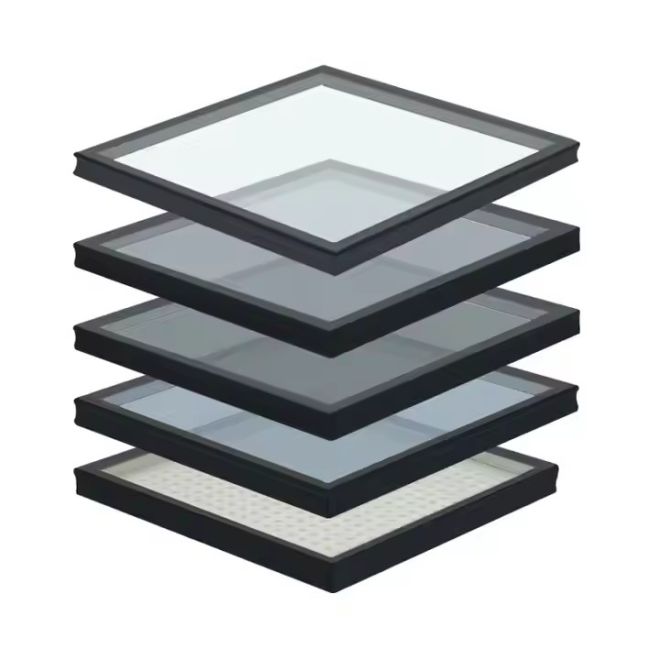
Understanding Heat Resistance of Toughened Glass
● Temperature Range Tolerance
Toughened glass, or tempered glass, stands out for its ability to endure extreme temperatures. This significant feature makes it an ideal choice for roofing applications, where exposure to high temperatures is inevitable. Toughened glass can withstand temperature variations ranging from -70°C to 300°C. Such resilience ensures its performance and durability in diverse climates and environments, making it indispensable for both residential and commercial constructions.
● Comparison with Ordinary Glass
Unlike ordinary glass, toughened roof glas undergoes a specialized heat treatment process that enhances its strength and thermal resistance. While standard glass may shatter when subjected to sudden temperature changes, toughened glass remains intact. This characteristic is especially crucial for applications like toughened roof glass, where safety and durability are top priorities. Wholesale toughened roof glass offers a reliable solution for businesses and manufacturers seeking high-performance materials.
Mechanisms of Heat Resistance
● Thermal Stress Resistance
The enhanced heat resistance of toughened glass stems from its ability to distribute thermal stress evenly. The tempering process involves heating the glass to approximately 620°C, followed by rapid cooling. This procedure compresses the surface layers and stretches the inner layers, effectively increasing the glass's tensile strength and ability to withstand thermal stress. As a result, toughened roof glass manufacturers produce products capable of enduring temperature fluctuations without compromising structural integrity.
● Role of Manufacturing Processes
The meticulous manufacturing process of toughened glass not only enhances its strength but also its heat resistance. Leading toughened roof glass suppliers employ advanced technologies and rigorous quality control measures to ensure optimal performance. The careful balance between heating and cooling during tempering plays a pivotal role in making toughened glass a preferred choice for applications demanding superior heat resistance.
Applications in High-Temperature Environments
● Use in Kitchens and Bathrooms
Toughened glass finds extensive applications in environments where heat and safety are primary concerns, such as kitchens and bathrooms. Its ability to resist heat makes it an ideal material for cooking surfaces and shower enclosures. The durability and aesthetic appeal of toughened glass contribute to its widespread adoption in modern home design.
● Commercial and Industrial Applications
In the commercial and industrial realm, toughened roof glass is an invaluable asset. It is commonly used in the construction of skylights, canopies, and facades, where exposure to high temperatures and environmental elements is prevalent. Wholesale toughened roof glass suppliers provide robust solutions for architects and builders aiming to create safe, energy-efficient structures.
Limitations of Toughened Glass
● Vulnerability to Extreme Temperature Changes
Despite its remarkable thermal resistance, toughened glass is not invulnerable. Extreme, rapid temperature changes can induce thermal shock and lead to potential breakage. It is crucial to understand these limitations when incorporating toughened glass into design and construction projects.
● Importance of Gradual Temperature Transitions
To mitigate the risk of thermal shock, it is advisable to ensure gradual temperature transitions when using toughened glass. Implementing design features that facilitate heat dissipation and ventilation can help maintain the glass's structural integrity, especially for applications like toughened roof glass.
Comparison with Other Glass Types
● Differences with Laminated and Annealed Glass
Toughened glass is often compared to laminated and annealed glass. While laminated glass offers excellent soundproofing and safety features, it does not match the thermal resistance of toughened glass. Annealed glass, on the other hand, lacks the strength and shatter-resistant properties that toughened glass provides. Understanding these differences helps architects and builders make informed decisions about the best glass type for their projects.
● Situational Advantages of Each Type
Each type of glass has its situational advantages. For instance, toughened roof glass is ideal for areas prone to extreme temperature changes, while laminated glass may be preferred for soundproofing requirements in urban settings. Recognizing these advantages ensures optimal material selection for specific architectural needs.
Impact of Sudden Temperature Changes
● Effects of Thermal Shock
Thermal shock poses a significant threat to toughened glass. Rapid temperature fluctuations can lead to sudden expansion or contraction, resulting in cracks or even complete breakage. This effect is particularly crucial in applications where safety is paramount, such as toughened roof glass installations.
● Preventative Measures for Glass Breakage
To prevent glass breakage caused by thermal shock, several measures can be adopted. Ensuring proper installation and choosing the appropriate glass thickness are essential steps. Additionally, consulting with experienced toughened roof glass manufacturers can provide valuable insights into minimizing risks and ensuring long-term performance.
Design Considerations for Heat Exposure
● Guidelines for Safe Glass Installation
Safe installation is crucial for maximizing the benefits of toughened glass in high-temperature environments. Adhering to recommended guidelines, such as using appropriate mounting systems and providing adequate spacing for expansion, contributes to the glass's longevity and safety.
● Recommendations for Glass Thickness and Type
Choosing the right glass thickness is vital for withstanding heat exposure. Thicker glass offers enhanced protection against thermal stress, making it suitable for applications where temperature variations are significant. Collaborating with leading toughened roof glass suppliers can help determine the best specifications for each project.
Safety Features of Toughened Glass
● Shatterproof Properties
One of the key safety features of toughened glass is its shatterproof nature. In the unlikely event of breakage, it fragments into small, blunt pieces, reducing the risk of injury. This characteristic makes it a preferred choice for environments where human safety is a priority.
● Enhanced Safety Compared to Traditional Glass
Toughened glass significantly outperforms traditional glass in terms of safety. Its ability to withstand impact and resist heat makes it an invaluable material for applications requiring both durability and protection. This enhanced safety profile is a defining attribute of toughened roof glass.
Technological Advances in Glass Heat Resistance
● Innovations in Glass Manufacturing
Recent technological advancements have significantly improved the heat resistance of toughened glass. Innovations such as advanced coatings and lamination techniques have further enhanced its performance, making it an even more attractive option for architects and builders.
● Future Developments in Heat-Resistant Glass
The future of heat-resistant glass is promising, with ongoing research and development focused on enhancing its properties. Breakthroughs in materials science and manufacturing processes are expected to yield even more resilient and efficient toughened glass products, revolutionizing the industry.
Practical Maintenance Tips
● Care for Toughened Glass in Hot Environments
Proper care and maintenance are essential for ensuring the longevity of toughened glass. Regular cleaning with non-abrasive materials and avoiding harsh chemicals can help maintain its appearance and performance. Additionally, monitoring for any signs of stress or damage is crucial for early intervention.
● Cleaning and Maintenance Best Practices
Implementing best practices for cleaning and maintenance ensures the continued reliability of toughened glass. Using gentle cleaning agents and soft cloths helps prevent scratches and maintains the glass's clarity. Routine inspections by professional toughened roof glass suppliers can identify potential issues before they become significant problems.
Since its establishment in 2000, Hangzhou BLUE-SKY Safety Glass Co., Ltd. has become a prominent player in the glass processing industry. With a vast factory located in Hangzhou city, close to Ningbo and Shanghai ports, BLUE-SKY specializes in producing high-quality tempered, laminated, and insulated glass. The company boasts over 300 experienced employees and state-of-the-art equipment, emphasizing advanced technology and excellent customer service. BLUE-SKY's commitment to quality and innovation has made it a preferred supplier worldwide, offering customized solutions tailored to clients' specific needs.