

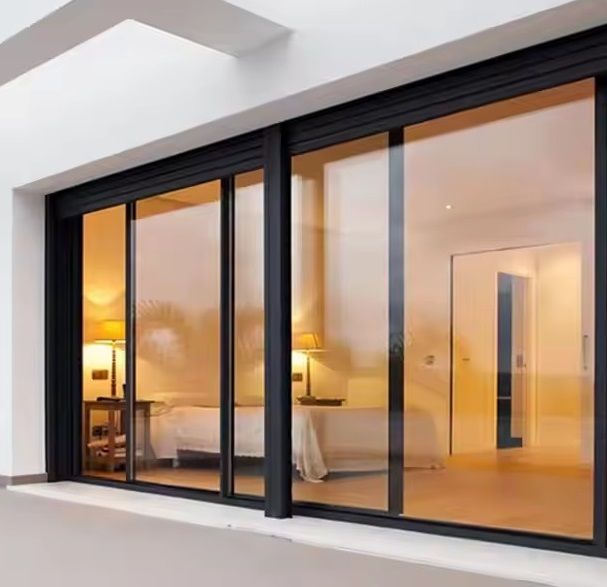
Factors Influencing Glass Partition Wall Thickness
● Structural Requirements and Glass Integrity
When designing spaces with black glass partition walls, structural integrity and safety are primary considerations. The thickness of the glass influences its strength and durability, with thicker glass typically offering greater resistance to impacts and load-bearing capacity. The ideal thickness must be determined based on the glass type and its application environment.
● Acoustic Insulation and Privacy
For spaces such as offices and meeting rooms, where noise reduction is critical, the choice of glass thickness directly impacts acoustic insulation. Thicker glass is generally more effective in soundproofing, which is a crucial consideration for ensuring privacy and minimizing noise disturbance within a workspace.
Key Factors Determining Glass Thickness
● Area Size Considerations
The size of the glass partition plays a significant role in determining the appropriate thickness. Larger glass panels require thicker material to maintain stability and prevent bowing or breakage. When dealing with expansive black glass partition walls, consulting with an experienced manufacturer is essential to ensure optimal material selection.
● Aesthetic Requirements
Aesthetics are an essential consideration in choosing glass partitions. The sleek, modern look of black glass partition walls can enhance any space's visual appeal. The thickness contributes to the overall aesthetic, with thicker glass often providing a more substantial and premium appearance.
Common Thickness Range for Glass Partitions
● Typical Measurements: 10mm to 12.8mm
Black glass partition walls commonly fall within a thickness range of 10mm to 12.8mm, providing a balance of strength and elegance. This range is popular among architects and designers due to its versatility and ability to fit various structural and aesthetic requirements.
● Comparison of Different Thickness Options
Different thickness options should be carefully evaluated based on specific site conditions and design needs. While thicker glass offers increased strength and sound insulation, it is crucial to consider weight and cost implications. Consulting with suppliers and manufacturers can provide insights into optimal choices for particular projects.
Popular Thickness Choices in Offices
● Common Office Glass Thickness: 1/4 to 3/4 inch
In office environments, the typical thickness for glass partitions ranges from 1/4 inch to 3/4 inch. This range offers sufficient sound insulation and durability while maintaining visual transparency and light transmission.
● Most Favored Choice: 3/8 inch
The 3/8-inch thickness is favored due to its balance of strength, cost-effectiveness, and ease of installation. It is particularly suitable for standard office settings, where moderate durability and sound management are required.
Balancing Strength, Acoustic, and Aesthetic Needs
● Achieving Optimal Strength
The strength of black glass partition walls is paramount, especially in environments where safety is a concern. The right thickness ensures that the glass can withstand daily wear, accidental impacts, and environmental stresses, providing peace of mind to occupants.
● Considerations for Effective Soundproofing
Soundproofing is a critical factor in environments where confidentiality and concentration are essential. Selecting the appropriate thickness for black glass partition walls can significantly enhance acoustic insulation, offering a tranquil and private setting.
● Aesthetic Balance in Design
Achieving the perfect balance between form and function is a prime consideration in selecting glass partition walls. The combination of black glass with the right thickness can create a sophisticated and elegant partition, elevating the overall design of a space.
Ideal Thickness for Laminated Glass
● Recommended Range: 8mm to 10mm
For laminated glass partitions, a thickness range of 8mm to 10mm is recommended. Laminated glass offers additional safety features, as it holds together when shattered, making it ideal for environments where enhanced safety is desired.
● Advantages of Laminated Glass
Laminated glass partitions provide enhanced sound insulation and safety features, making them ideal for use in sensitive environments such as banks, conference rooms, and studios. Their durability and security make them a preferred choice in both commercial and residential settings.
Practical Applications of Glass Partitions
● Specific Environments Requiring Glass Partitions
Glass partitions are versatile and can be utilized in various environments, including offices, healthcare facilities, educational institutions, and homes. Their ability to divide spaces without obstructing light flow makes them an attractive solution for modern architectural designs.
● Versatility in Design Applications
Black glass partition walls offer a unique aesthetic that can be adapted to fit diverse design styles, from contemporary to traditional. Their versatility in application and customization allows for creativity and personalization in interior design projects.
Verifying Important Information and Specifications
● Importance of Ensuring Accuracy in Specifications
When selecting or ordering black glass partition walls, it is crucial to verify all specifications with manufacturers or suppliers. Ensuring that dimensions, thickness, and finishes meet project requirements is vital for successful installation and performance.
● Consulting with Professionals for Tailored Solutions
Seeking expert advice from professionals in the glass manufacturing industry helps ensure that the right product is selected. Manufacturers and suppliers can provide valuable insights into the most suitable types and thicknesses for specific applications.
Customization Options in Glass Partitions
● Design Variations and Customizations
Customization options in black glass partition walls are extensive, with choices available in size, shape, color, and texture. Manufacturers can offer tailored solutions that align with specific architectural designs and functional requirements.
● Integration with Existing Interior Elements
Integrating glass partitions with existing interior designs requires careful selection of finishes and thicknesses to complement the overall aesthetics. Black glass can serve as a striking focal point or a subtle element, depending on the design intent.
Future Trends in Glass Partition Usage
● Emerging Trends and Innovations
The future of glass partition walls sees innovations in smart glass technology, allowing for adjustable transparency and improved energy efficiency. As the demand for sustainable and adaptable design solutions grows, black glass partition walls will continue to evolve.
● Sustainability Considerations in Material Choice
Sustainability is increasingly important in material selection, and glass partitions are no exception. Choosing eco-friendly materials, including recycled and energy-efficient glass options, aligns with sustainability goals and contributes to greener building practices.
---
● Introducing BLUE-SKY
Since its establishment in 2000, Hangzhou Blue-sky Safety Glass Co., Ltd. has become a leader in the glass processing industry. Located in Hangzhou, close to Ningbo and Shanghai ports, BLUE-SKY specializes in tempered, laminated, and insulated glass products. The company boasts a state-of-the-art facility and a skilled workforce dedicated to producing high-quality glass solutions. With certifications like CCC, ISO, and European CE, and a commitment to customization and service, BLUE-SKY is a preferred black glass partition wall supplier, serving clients worldwide, from the USA to South Africa.