

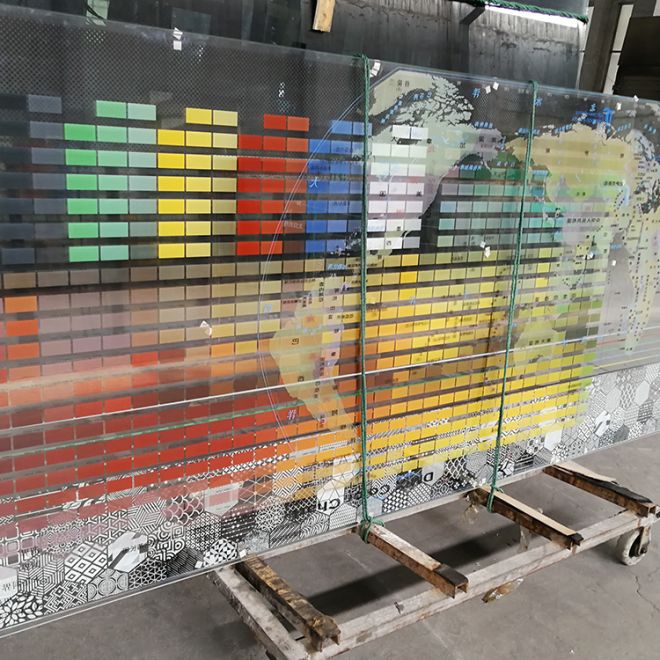
Introduction
The modern era of architecture and interior design often demands innovative and aesthetic solutions. Amongst these emerging technologies, digital glass printing stands out as a transformative approach that blends artistic creativity with cutting-edge technology. Whether used in high-end architectural designs, art installations, or everyday products, digital glass printing design offers numerous advantages that set it apart from traditional methods like screen printing. This article delves into the multifaceted benefits of digital glass printing design, discussing various aspects from high-resolution capabilities to future industry trends.
Understanding Digital Glass Printing
● Definition and Basic Concept
Digital glass printing combines state-of-the-art technology with artistic ingenuity to produce high-precision printed glass for a broad spectrum of applications. Unlike traditional methods, digital glass printing design utilizes advanced printing machines capable of translating digital files into vibrant, colorful prints on glass. Printed designs can span patterns, textures, graphic art, high-resolution photos, and an extensive color palette, providing almost infinite possibilities for customization.
● Technological and Artistic Integration
The integration of technology with artistry in digital glass printing allows designers to achieve unprecedented levels of detail and complexity in their work. This combination makes it possible to create unique and eye-catching designs, which are not only visually appealing but also stand the test of time. The ability to seamlessly merge artistic vision with technological precision opens up new avenues for creative expression and practical application.
How Digital Glass Printers Work
● Printing Process Using Ceramic Inks
Digital glass printers function by taking intricate designs and printing them onto glass surfaces using small inkjets that administer ceramic inks. These specialized inks are designed to withstand the rigors of daily use, ensuring that the printed designs remain intact and vibrant over time. The use of ceramic inks not only enhances the durability of the printed glass but also allows for a broader spectrum of colors and finer details compared to traditional methods.
● Tempering and Fusion Process
After the printing process, the glass undergoes a tempering procedure wherein the inks are fused into the glass surface. This fusion process guarantees that the designs will not fade, scratch off, or deteriorate with exposure to environmental factors. The end result is a high-quality, durable product that maintains its aesthetic appeal and functional integrity over an extended period.
High-Resolution Printing Capabilities
● DPI Comparison with Traditional Printing
One of the standout features of digital glass printing is its ability to achieve exceptionally high resolutions. The average DPI (dots per inch) for digital glass printers is 1440 DPI, with the capability to reach an impressive 2880 DPI. To put this in perspective, high-quality marketing materials are typically printed at 250-300 DPI. This significant enhancement in resolution means that digital glass printing design can produce incredibly detailed and precise images, far surpassing the capabilities of traditional screen printing.
● Advantages of High DPI in Glass Printing
The high DPI capability of digital glass printers ensures that even the most intricate designs are rendered with stunning clarity and detail. This level of precision is particularly beneficial for applications that require high-definition imagery, such as architectural glass panels, art installations, and custom digital glass printing design. The ability to produce such finely detailed prints opens up new possibilities for designers and manufacturers, allowing them to create products that stand out in terms of both aesthetics and quality.
Durability and Resilience of Printed Glass
● Longevity and Resistance to Fading or Scratching
One of the primary advantages of digital glass printing is the durability and resilience of the printed designs. Unlike traditional screen printing, where the inks sit on the surface of the glass and are prone to fading and scratching, digital glass printing involves fusing the inks directly into the glass during the tempering process. This fusion ensures that the printed designs are highly resistant to environmental factors, such as UV exposure, moisture, and physical wear and tear.
● Comparison with Screen Printing
When compared to screen printing, digital glass printing offers several distinct advantages in terms of both durability and design flexibility. Screen-printed designs are often limited by the physical constraints of the screen itself, which can restrict the complexity and detail of the final product. In contrast, digital glass printing allows for a virtually unlimited range of designs, colors, and patterns, all of which can be rendered with exceptional clarity and durability. This makes digital glass printing an ideal choice for applications that demand both aesthetic appeal and long-lasting performance.
Wide Range of Design Possibilities
● Types of Designs That Can Be Printed
The versatility of digital glass printing design is one of its most attractive features. The technology allows for the creation of a wide variety of designs, including intricate patterns, realistic textures, high-resolution photographs, and vivid graphic art. This flexibility means that designers are no longer constrained by the limitations of traditional printing methods, allowing them to explore new creative possibilities and push the boundaries of what's possible.
● Flexibility and Customization Options
One of the key advantages of digital glass printing is its ability to offer highly customized solutions tailored to the specific needs and preferences of individual clients. Whether it's a one-of-a-kind art installation or a large-scale architectural project, digital glass printing design allows for the creation of bespoke designs that perfectly match the client's vision. This level of customization is particularly valuable in industries where unique and personalized solutions are highly prized.
Architectural Applications
● Interior and Exterior Uses
Digital glass printing has found a wide range of applications in both interior and exterior design. For interior spaces, printed glass can be used in a variety of ways, including as door inserts, glass panels, backsplashes, countertops, wall art, tabletops, and even glass cutting boards and marker boards. The ability to print intricate designs directly onto glass surfaces allows for the creation of unique and visually striking interior elements that can enhance the overall aesthetic of any space.
● Examples Like Door Inserts and Wall Art
In exterior applications, digital glass printing can be used to create stunning facades, decorative panels, and other architectural elements that add a touch of elegance and sophistication to any building. The durability and resilience of the printed designs ensure that they can withstand the rigors of outdoor exposure, maintaining their beauty and functionality over time. Examples of exterior applications include glass panels for building facades, decorative elements for public spaces, and custom-designed glass features for commercial and residential properties.
Installation and Maintenance Benefits
● Ease of Replacing Glass
One of the practical advantages of digital glass printing is the ease with which printed glass elements can be replaced. In the event that a printed glass panel becomes damaged or needs to be updated, the digital nature of the designs allows for quick and straightforward reproduction and replacement. This ensures minimal disruption and downtime, making digital glass printing design an attractive option for projects that require ongoing maintenance and updates.
● Cleaning and Maintenance Tips
The maintenance of digitally printed glass is relatively simple and straightforward. Printed glass surfaces can be cleaned using standard glass cleaning products, ensuring that they remain in pristine condition without the need for specialized cleaning agents or techniques. The durability of the printed designs also means that they are less prone to damage and wear, further reducing the need for frequent maintenance and repairs.
Advanced Ink Technologies
● Standard vs. Luxury Inks
Digital glass printing design manufacturers offer a range of ink options to suit different applications and design requirements. Standard ceramic inks are highly durable and provide excellent color reproduction, making them suitable for a wide variety of uses. For high-end architectural projects and luxury applications, manufacturers also offer specialty inks with shimmer effects and other unique properties that add an extra layer of sophistication and visual interest to the printed designs.
● Shimmer Effects and High-End Applications
The availability of luxury inks with shimmer effects and other advanced properties allows designers to create truly unique and eye-catching glass elements that stand out from the crowd. These inks can be used to add subtle, yet striking visual effects to printed designs, enhancing the overall aesthetic appeal and making the final product even more impressive. This makes luxury inks an ideal choice for high-end architectural projects, art installations, and other applications where visual impact is paramount.
Future Trends in Glass Printing
● Predictions for Industry Growth
The digital glass printing industry is poised for significant growth in the coming years, driven by advancements in technology and increasing demand for customized, high-quality glass products. As more designers and manufacturers recognize the advantages of digital glass printing design, the technology is expected to become more widely adopted across a range of industries. This growth will likely lead to further innovations and improvements in printing technology, inks, and materials, further enhancing the capabilities and applications of digital glass printing.
● Potential New Applications and Markets
As the digital glass printing industry continues to evolve, new applications and markets are expected to emerge. Potential areas of growth include automotive glass, where digitally printed designs can be used to create custom windshields and other glass components, and consumer electronics, where printed glass can be used in the production of screens and other display elements. Additionally, the expansion of digital glass printing into new geographic markets will provide further opportunities for growth and innovation.
Conclusion and Call to Action
● Summary of Key Advantages
Digital glass printing design offers numerous advantages that make it an attractive option for a wide range of applications. From its high-resolution printing capabilities and durable, resilient designs to its flexibility and customization options, digital glass printing provides a unique combination of aesthetic appeal and practical functionality. The technology's ability to produce intricate, high-quality designs that stand the test of time makes it an ideal choice for both interior and exterior architectural projects, as well as a variety of other uses.
● Encouraging Exploration and Innovation in Glass Printing
As the digital glass printing industry continues to grow and evolve, there are endless possibilities for creative exploration and innovation. Designers and manufacturers are encouraged to embrace this technology and explore its full potential, pushing the boundaries of what can be achieved with printed glass. By staying at the forefront of this rapidly advancing field, industry professionals can create truly unique and groundbreaking products that set new standards for quality and design.
About BLUE-SKY
Since its establishment in 2000, Hangzhou Blue-sky Safety Glass Co., Ltd. has become one of the leading manufacturers in the glass processing industry in China. With a factory spanning over 75,000 sqm in Hangzhou city and proximity to both Ningbo and Shanghai ports, BLUE-SKY specializes in tempered glass, laminated glass, insulated glass, printed glass, and more. Supported by over 300 experienced employees and advanced imported equipment, BLUE-SKY delivers high-value products and excellent service worldwide. Choose BLUE-SKY for reliable, customized glass solutions tailored to your specifications.