Introduction to Digital Printed Glass
● Definition of Digital Printed Glass
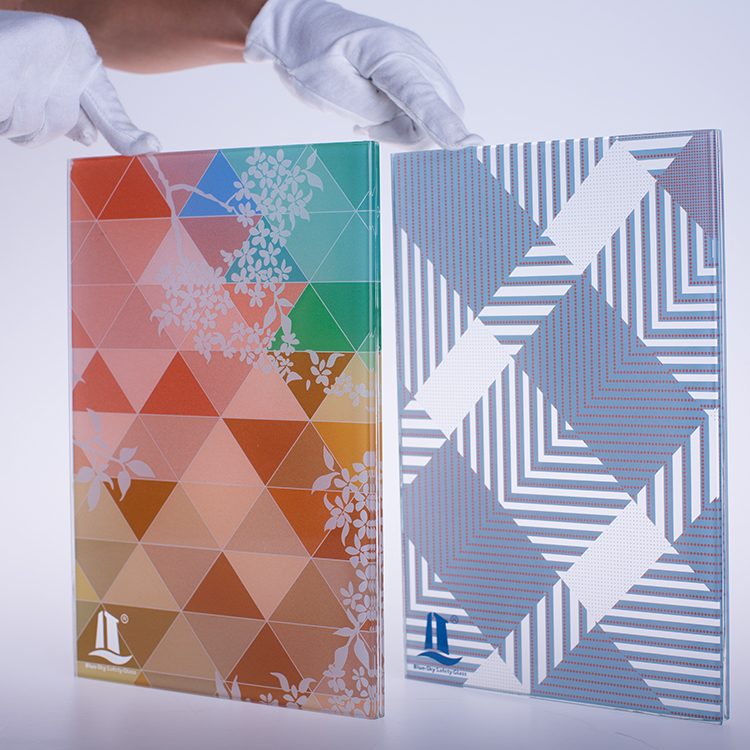
Digital printed glass is a process that involves printing high-resolution images, patterns, or designs onto glass using specialized inkjet technology. This innovative approach allows for the creation of vibrant and intricate designs that are permanently bonded to the glass surface during the tempering process. The result is a durable, visually stunning product that can withstand scratching, fading, and chemical damage.
● Introduction to the Technology and Its Applications
Digital printed glass technology has evolved significantly over the past decade, offering architects, designers, and homeowners new ways to incorporate personalized and aesthetically pleasing elements into various projects. This technology is not only limited to large-scale architectural applications but also finds its way into everyday items such as shower doors, kitchen backsplashes, and decorative panels.
Advancements in Glass Printing Technology
● Brief History of Glass Printing
The concept of printing on glass dates back to ancient times when artisans used rudimentary methods to create stained glass windows and other decorative items. However, it was not until the advent of digital printing technology that the process became more precise, efficient, and versatile. The integration of inkjet technology with glass printing has revolutionized the field, allowing for the transfer of digital images and designs directly onto glass surfaces with unparalleled accuracy and detail.
● Recent Technological Advancements
Recent advancements in digital glass printing technology have focused on improving print resolution, expanding color options, and enhancing durability. Modern printers can achieve resolutions of up to 1400 dpi, resulting in crisp, clear images that rival traditional photographic prints. Additionally, advancements in ceramic inks and bonding techniques have ensured that printed designs are resistant to environmental factors and mechanical wear.
Features and Benefits of Digitally Printed Glass
● Durability and Precision
One of the primary benefits of digitally printed glass is its durability. The ceramic inks used in the printing process are permanently bonded to the glass during tempering, creating a scratch-resistant and chemically robust surface. This durability makes digitally printed glass suitable for various applications, from high-traffic areas in commercial buildings to residential interior designs.
● Limitless Design Possibilities
The possibilities for design with digitally printed glass are virtually limitless. Whether it's a high-resolution photograph, intricate pattern, or custom graphic, digital printing allows for the precise reproduction of any design. This flexibility enables designers to create unique and personalized pieces that enhance the aesthetic appeal of any space.
● Resistance to Scratching, Fading, and Chemical Damage
Digitally printed glass is designed to withstand the rigors of daily use. The tempering process ensures that the printed designs are resistant to scratching, fading, and chemical damage. This makes digitally printed glass an ideal choice for applications that require both visual appeal and functional durability.
The Process of Digital Glass Printing
● From Graphic Design to Inkjet Technology
The process of digital glass printing begins with the creation of a digital design file. This file can be a photograph, graphic, or pattern created using graphic design software. Once the design is finalized, it is uploaded to a specialized printer equipped with inkjet technology. The printer uses ceramic inks to transfer the design onto the glass surface with high precision.
● Bonding of Ceramic Ink Through Tempering
After the design is printed onto the glass, the next step is tempering. The glass is heated to a high temperature, allowing the ceramic inks to bond permanently with the glass surface. This process not only ensures the durability of the printed design but also enhances the strength and safety of the glass itself.
Customization and Color Options
● Mixing Colors Digitally
One of the standout features of digital printed glass is the ability to mix colors digitally. This process allows for the creation of thousands of color options, each with varying degrees of opacity. Designers can experiment with different color combinations and opacities to achieve the desired visual effect, making each piece of digitally printed glass truly unique.
● Thousands of Color Options with Varying Opacities
The digital mixing of colors opens up a world of possibilities for customization. Whether it's a subtle, translucent pattern or a bold, opaque design, digitally printed glass can be tailored to meet specific aesthetic and functional requirements. This versatility makes it an attractive option for a wide range of applications, from decorative panels to functional partitions.
Quality and Resolution in Printed Glass
● High-Resolution Printing at 1400 DPI
Digital printed glass offers exceptionally high resolution, with printers capable of achieving up to 1400 dpi. This level of detail ensures that even the most intricate designs and photographs are reproduced with stunning clarity and sharpness. The high resolution also allows for the seamless integration of printed glass into various design schemes, from modern minimalist interiors to elaborate, traditional spaces.
● Pre and Post-Fabrication Quality Assurance
Quality assurance is a critical aspect of the digital glass printing process. Manufacturers ensure that each piece of printed glass meets stringent quality standards both before and after fabrication. This includes checking for color accuracy, print resolution, and overall durability. Post-fabrication processes such as cutting, drilling, and lamination are also performed with precision to maintain the integrity of the printed design.
Applications in Architectural Design
● Interior Uses: Partitions, Shower Doors, and More
Digitally printed glass has found numerous applications in interior design, thanks to its aesthetic appeal and durability. Some common interior uses include:
- Partitions: Printed glass partitions can add a decorative element to office spaces, creating a visually appealing division between different areas while maintaining an open, airy feel.
- Shower Doors: Custom digital printed glass shower doors can transform a bathroom into a luxurious spa-like retreat, offering privacy without compromising on style.
- Kitchen Backsplashes: Printed glass backsplashes provide a unique way to add color and pattern to a kitchen, protecting the walls while enhancing the overall design.
● Exterior Applications and Innovation
In addition to interior uses, digitally printed glass is also suitable for various exterior applications. The durability and weather resistance of printed glass make it an ideal choice for:
- Building Facades: Custom digital printed glass facades can add a striking visual element to a building's exterior, creating a unique and memorable impression.
- Balustrades and Railings: Printed glass balustrades and railings offer a modern and elegant solution for balconies and staircases, combining safety with aesthetic appeal.
- Canopies and Skylights: Digitally printed glass canopies and skylights provide a creative way to incorporate natural light into a building while adding a touch of artistic flair.
Creative Uses of Digitally Printed Glass
● Artistic Applications: Wall Art, Backsplashes, and Art Installations
The artistic potential of digitally printed glass is virtually limitless. Some creative applications include:
- Wall Art: Large-scale printed glass panels can serve as stunning wall art, transforming any room into a gallery-like space.
- Backsplashes: Custom printed glass backsplashes provide a unique and stylish way to protect kitchen and bathroom walls, offering endless design possibilities.
- Art Installations: Digitally printed glass can be used in public art installations, creating visually captivating pieces that engage and inspire viewers.
● Functional Uses: Glass Whiteboards and Calendars
In addition to its decorative uses, digitally printed glass also serves practical purposes in various settings. Some functional applications include:
- Glass Whiteboards: Custom printed glass whiteboards offer a sleek and modern alternative to traditional whiteboards, providing a durable and easy-to-clean surface for writing and drawing.
- Glass Calendars: Printed glass calendars combine functionality with aesthetics, serving as both a practical organizational tool and a decorative element in homes and offices.
Project Management and Customer Support
● Support for Large and Small Projects
Digitally printed glass manufacturers offer comprehensive project management support for projects of all sizes. Whether it's a large-scale architectural project or a small interior design piece, project managers work closely with clients to ensure that their vision is brought to life with precision and attention to detail.
● Consulting and Assistance from Project Managers
Expert project managers provide valuable consulting and assistance throughout the entire process, from initial design concepts to final installation. This personalized support ensures that each project is executed seamlessly, meeting the client's specifications and exceeding their expectations.
Future Trends and Innovations
● Emerging Trends in Digitally Printed Glass
The field of digitally printed glass is constantly evolving, with new trends and innovations emerging regularly. Some current trends include:
- Interactive Glass: The integration of digital printed glass with interactive technology, such as touchscreens and smart glass, is opening up new possibilities for interactive and dynamic designs.
- Eco-Friendly Designs: As sustainability becomes increasingly important, manufacturers are exploring eco-friendly printing techniques and materials to create environmentally responsible products.
- 3D Printing: Advancements in 3D printing technology are paving the way for more complex and textured designs, adding a new dimension to digitally printed glass.
● Potential Future Applications and Technological Developments
The future of digitally printed glass holds exciting potential for further technological developments and applications. Some areas of exploration include:
- Augmented Reality: Integrating augmented reality (AR) technology with digitally printed glass could create immersive and interactive experiences in both residential and commercial spaces.
- Innovative Building Materials: Researchers are developing new materials and coatings that enhance the functionality and performance of digitally printed glass, such as self-cleaning surfaces and improved thermal insulation.
- Personalized Designs: As customization becomes more accessible, the demand for personalized digital printed glass products is expected to grow, allowing individuals to create one-of-a-kind pieces that reflect their unique tastes and styles.
Introduction to Hangzhou BLUE-SKY Safety Glass Co., Ltd.
Since its establishment in 2000, Hangzhou Blue-Sky Safety Glass Co., Ltd. has been a leader in the glass processing industry. Located in Hangzhou city, close to both Ningbo and Shanghai ports, Blue-Sky operates a large factory spanning over 75,000 sqm. The company specializes in tempered glass, laminated glass, insulated glass, printed glass, and shower doors. With a team of over 300 experienced employees and advanced imported equipment, Blue-Sky is renowned for its high-quality products and excellent service. Their commitment to innovation and quality has made them a preferred supplier for customers worldwide.